Persistent knee or hip pain can gradually change the way a person walks, sleeps, works and handles ordinary daily activities. When medication, physiotherapy, activity modification and other conservative measures no longer provide adequate relief, an orthopaedic evaluation may include a discussion about Robotic Joint Replacement Surgery.
For patients in Thane and surrounding parts of Maharashtra, understanding what robotic assistance actually means can make the treatment decision less confusing.
What Does Robotic Assistance Mean in Joint Replacement?
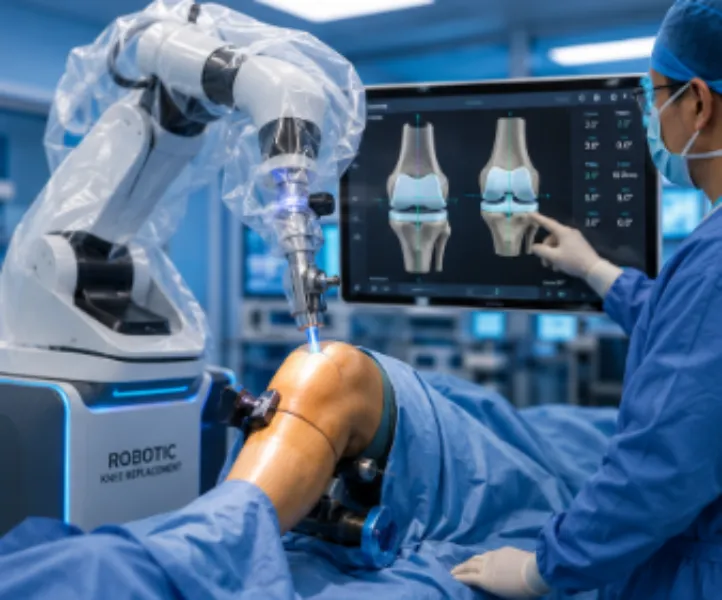
The term “robotic” can create the impression that a machine independently performs an operation. That is not how the procedure generally works. The orthopaedic surgeon remains responsible for planning and performing the surgery. Robotic technology serves as an additional surgical planning and guidance tool.
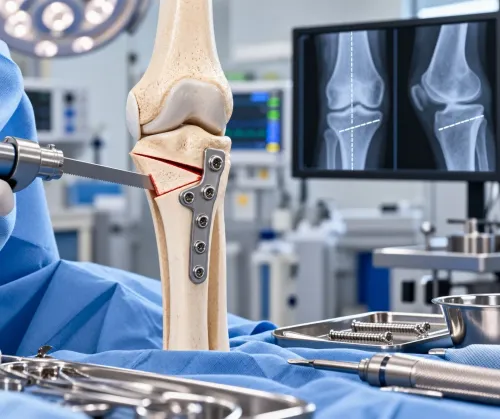
Depending on the system being used, robotic assistance may help the surgical team assess joint anatomy, plan implant positioning and execute selected bone preparation within the planned parameters.
The suitability of the technology depends on the patient's condition, joint anatomy and the type of replacement being considered.
Who May Need a Joint Replacement Evaluation?
Not everyone experiencing knee or hip pain requires surgery. An evaluation becomes particularly relevant when symptoms begin to interfere significantly with everyday function.
Common reasons to discuss replacement options include:
- Advanced arthritis identified through clinical assessment and imaging
- Persistent pain while walking or climbing stairs
- Significant stiffness and reduced joint movement
- Difficulty standing or performing routine activities
- Pain that continues despite appropriate non-surgical management
- Progressive joint deformity or functional limitation
Age alone does not determine whether replacement is appropriate. The extent of joint damage, overall health, functional requirements and response to previous treatment all matter.
Why Preoperative Planning Is Important
Joint replacement is more than simply replacing damaged surfaces. Surgeons need to consider alignment, implant size, stability, surrounding soft tissues and the individual anatomy of the patient.
Technology-assisted planning can provide additional information for this process. However, technology is only one part of treatment. Surgical experience, clinical judgement, appropriate patient selection, rehabilitation and follow-up remain important.
At The Bone and Joints - Advance Ortho Care, Dr. Darshan Shingane, patients seeking orthopaedic care in Thane can be assessed according to their symptoms, imaging findings, mobility limitations and previous treatment history before surgical options are discussed.
What Happens Before a Decision Is Made?
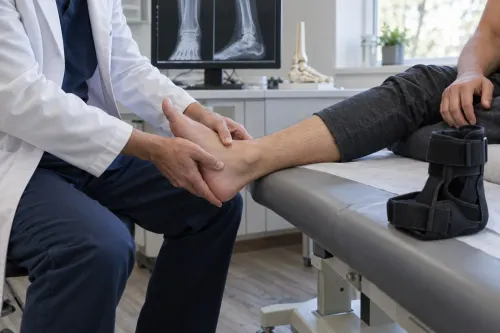
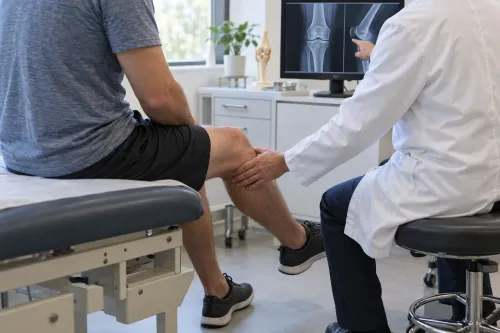
A detailed orthopaedic assessment commonly includes a discussion of the pain pattern, duration of symptoms and impact on everyday activities.
The doctor may also evaluate:
- Joint movement and stability
- Walking pattern
- Previous medicines or injections
- Physiotherapy history
- X-rays and other imaging when clinically required
- General medical fitness for surgery
This process is important because two people with similar-looking X-rays may have very different symptoms and functional needs.
Is Robotic Surgery Automatically the Better Choice?
The presence of robotic technology should not be the only reason for selecting a treatment. Patients should understand why joint replacement is being recommended in the first place and whether robotic assistance offers practical value for their particular case.
Useful questions to discuss include which joint surfaces are damaged, what type of replacement is proposed, what the expected rehabilitation involves and what risks are relevant to the individual's health.
For people living in Thane, access to orthopaedic assessment locally can also make preoperative appointments and postoperative follow-ups easier to manage.
Ultimately, Robotic Joint Replacement Surgery should be viewed as a technology-assisted surgical option rather than a universal solution for every painful joint. A personalised evaluation helps determine whether replacement is necessary, which approach is appropriate and what recovery is likely to involve.
Keywords