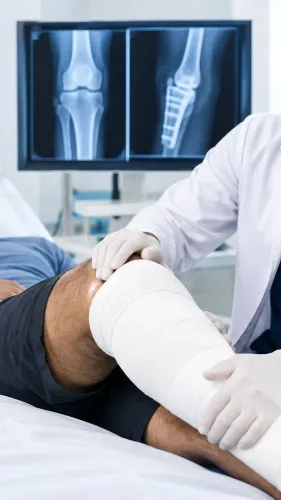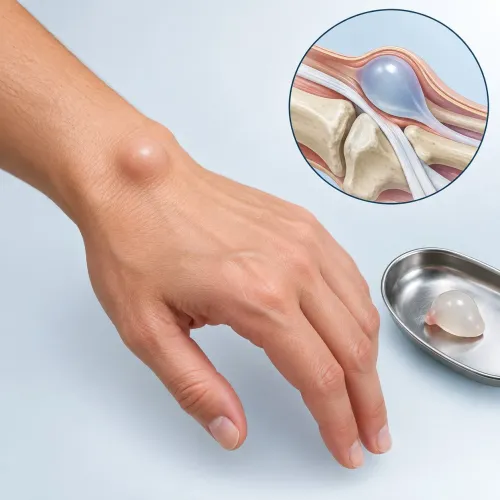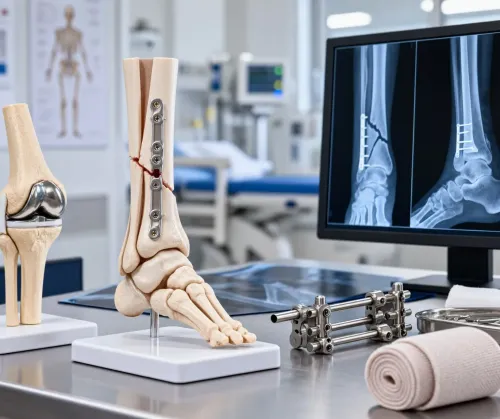
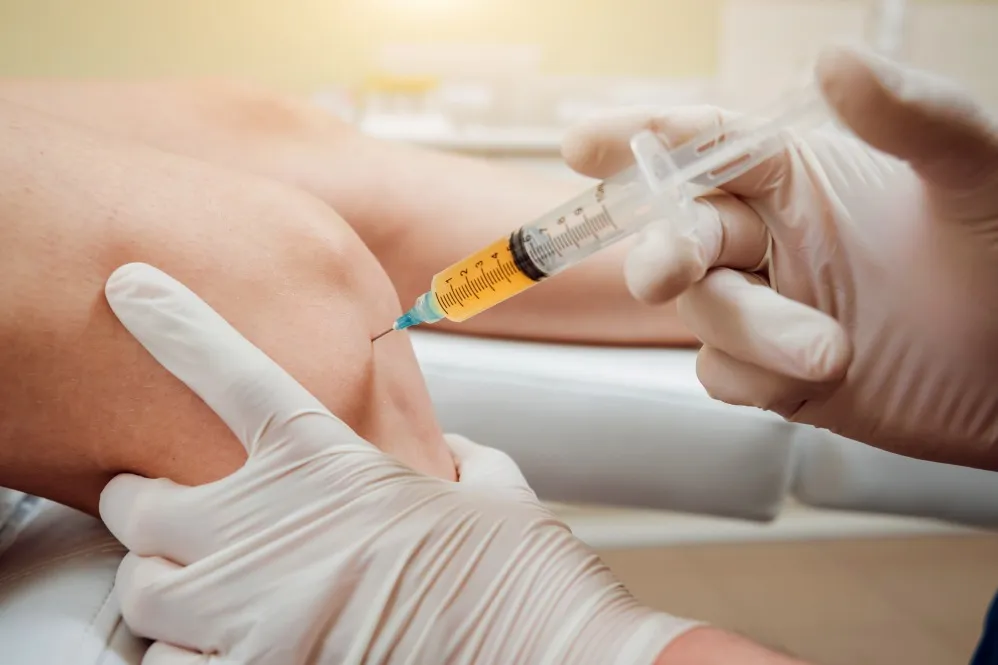
Joint pain affects people across different age groups, from active athletes dealing with repetitive stress injuries to older adults managing age-related wear and tear. In recent years, PRP Therapy for Joint Pain has gained attention as a regenerative treatment option that aims to support the body's natural healing mechanisms.
PRP stands for Platelet-Rich Plasma. The treatment involves drawing a small sample of the patient's blood, processing it to concentrate platelets, and then injecting the prepared plasma into the affected area. Platelets contain growth factors that may support tissue repair and healing.
PRP Injection Therapy is commonly considered for conditions such as:
- Early to moderate knee arthritis
- Tendon injuries
- Ligament strains
- Sports-related overuse injuries
- Chronic joint inflammation
One of the reasons patients in Thane are exploring PRP therapy is the desire to manage symptoms without immediately progressing to surgery. While PRP is not a cure for severe joint degeneration, it may offer symptom relief and functional improvement in appropriately selected cases.
Patients often ask how PRP compares with traditional pain management methods. The key difference is that PRP focuses on biological healing rather than simply masking symptoms. However, results can vary based on the severity of the condition, patient age, activity level, and overall health.
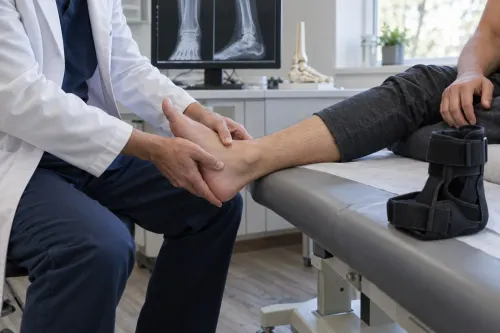
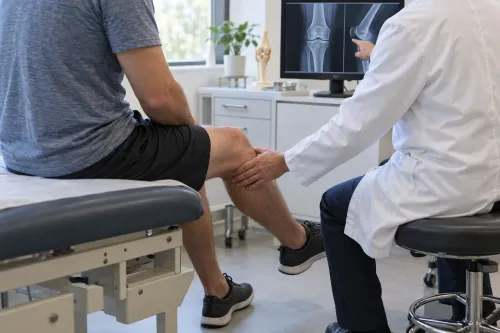
At The Bone and Joints - Advance Ortho Care, Dr. Vivek V. Shingane evaluates patients thoroughly to determine whether PRP Injection Therapy can be a suitable part of their treatment plan. The approach focuses on identifying the underlying cause of pain and selecting therapies that align with the patient's condition and recovery goals.
Potential advantages may include:
- Minimally invasive treatment
- Use of the patient's own blood components
- Short treatment sessions
- Minimal downtime
- Potential support for tissue recovery
It is important to understand that not every patient is an ideal candidate. Individuals with advanced arthritis, significant structural damage, or certain medical conditions may require alternative treatment approaches.
As regenerative medicine continues to evolve, PRP remains a promising option within advanced orthopedic care. Patients seeking non-surgical solutions for joint pain can benefit from professional assessment and evidence-based guidance before deciding on treatment.
Keywords