Hip pain often develops gradually. What starts as occasional discomfort while walking may eventually affect daily routines, sleep quality, and independence. Many patients spend years adapting their lifestyles around pain before seeking specialized care. Understanding when Total Hip Replacement (THR) becomes a reasonable option can help individuals make informed decisions about their mobility and quality of life.
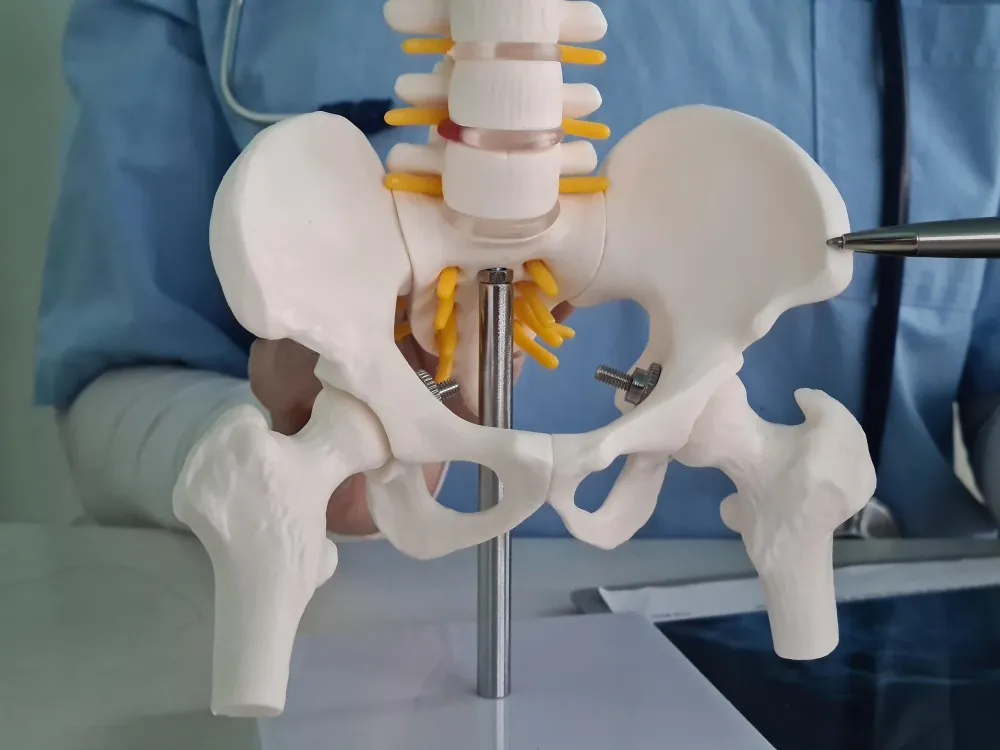
The hip joint is designed to support body weight while allowing smooth movement. Conditions such as osteoarthritis, rheumatoid arthritis, avascular necrosis, and previous hip injuries can damage the joint over time. As cartilage wears away, bones begin to rub against each other, causing pain, stiffness, and reduced movement.
Many patients initially explore conservative treatment options, including:
- Physiotherapy
- Weight management
- Anti-inflammatory medications
- Walking aids
- Activity modification
- Joint injections
These approaches can provide relief for many individuals, particularly in the earlier stages of joint degeneration. However, when symptoms continue to worsen despite treatment, surgery may become part of the discussion.
Common signs that indicate a patient should consult a Hip Replacement Surgeon in Thane include:
- Persistent hip pain affecting daily activities
- Difficulty putting on shoes or climbing stairs
- Reduced walking distance
- Night pain that disrupts sleep
- Stiffness that limits mobility
- Reduced effectiveness of medications
One misconception is that hip replacement should be delayed as long as possible. While surgery should never be rushed, excessive delays may lead to worsening muscle weakness, decreased mobility, and lower overall fitness levels that can impact recovery.
Modern Total Hip Replacement procedures have evolved significantly. Advanced implants, improved surgical techniques, and structured rehabilitation programs have helped improve patient outcomes. Many patients report improvements in mobility, comfort, and independence after recovery.
Residents of Thane and other parts of Maharashtra increasingly seek early orthopedic evaluations to understand their options before symptoms become severely disabling.
The decision to undergo THR should always be individualized. Factors such as age, activity level, overall health, imaging findings, and personal goals all contribute to treatment planning. At The Bone and Joints - Advance Ortho Care, Dr. Vivek V. Shingane carefully evaluates each patient's condition before recommending surgical intervention.
For many individuals, the real question is not whether surgery can eliminate all discomfort but whether continuing to live with chronic pain is limiting the life they want to lead. A thorough orthopedic assessment can help provide that answer.
Keywords