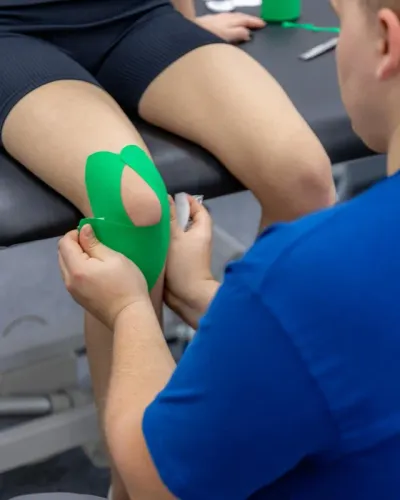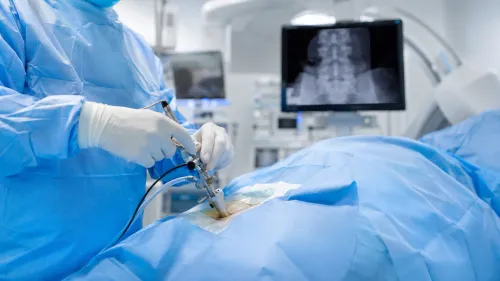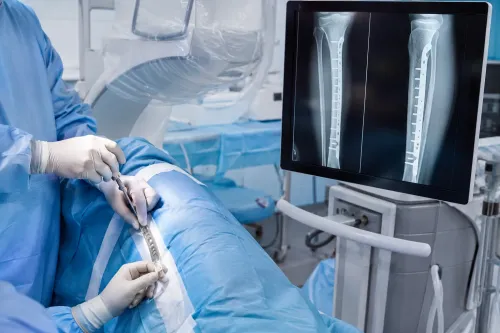
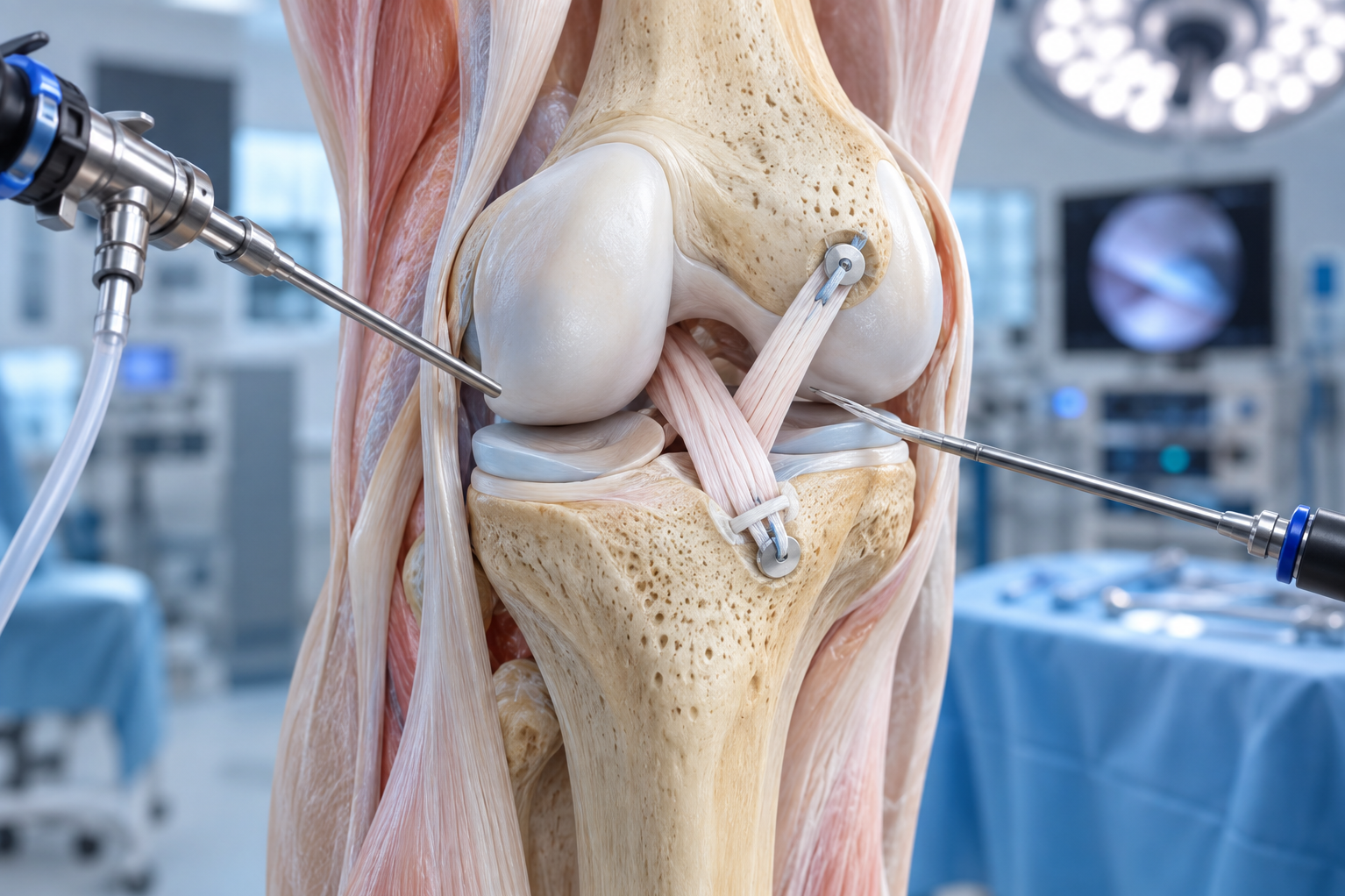
A joint that repeatedly gives way can create a different problem from ordinary pain. Patients may begin avoiding stairs, running, sudden turns or sports because they no longer trust the joint. When substantial tendon or ligament damage is responsible, Tendon and Ligament Repair and Reconstruction may be considered after clinical assessment.
The decision depends on the structure involved, severity of injury and functional needs of the patient.
Repair and Reconstruction Are Not the Same
These terms are often used together, but they describe different surgical concepts.
A repair generally involves restoring damaged native tissue when its condition and injury pattern make repair feasible. Reconstruction may involve rebuilding the function of a severely damaged ligament or tendon using suitable tissue or another surgical strategy.
Which option is appropriate depends on factors such as injury type, tissue quality, chronicity and joint stability.
Why Instability Matters
Ligaments help control joint stability, while tendons transfer muscle force to produce movement.
When these structures are significantly damaged, patients may experience:
- Repeated giving way
- Weakness
- Difficulty changing direction
- Reduced sporting ability
- Swelling after activity
- Loss of confidence in the affected limb
However, similar symptoms can arise from different injuries. Diagnosis should therefore precede decisions about reconstruction.
When Is Surgery Considered?
Not every ligament tear or tendon injury requires an operation.
Some injuries can be treated effectively with rehabilitation, bracing or activity modification. Surgery may become more relevant when functional instability persists, the injury pattern is unlikely to recover adequately through conservative care, or the patient's activity requirements place substantial demands on the injured structure.
The patient's goals matter too.
Someone wishing to return to pivoting competitive sport may have different functional requirements from a person whose primary goal is comfortable everyday mobility.
What Should Be Checked Before Choosing Surgery?
Patients considering Tendon and Ligament Repair and Reconstruction should understand:
- Which structure is damaged
- Whether the injury is partial or complete
- Whether other joint structures are injured
- Whether rehabilitation has been attempted
- Whether repair or reconstruction is proposed
- How long the tissue needs to heal
- What rehabilitation stages are expected
- What criteria will be used for return to activity
These details are more useful than choosing treatment based on a procedure name alone.
Rehabilitation Is a Major Part of Treatment
Surgery can restore or reconstruct a damaged structure, but strength, movement and neuromuscular control must still be rebuilt.
Rehabilitation may progress through different stages, initially protecting the surgical repair and later increasing movement, strength and functional loading.
Returning to demanding activity prematurely can place unnecessary stress on healing tissues.
Patients in Thane considering treatment for persistent instability can consult The Bone and Joints - Advance Ortho Care, Dr. Darshan Shingane for an assessment based on the specific injury and functional requirements.
Choosing Care for an Active Lifestyle
Thane has a growing population of recreational runners, gym users and people participating in organised sports alongside busy professional routines. A treatment plan therefore needs to consider both biological healing and the activities the patient ultimately wants to resume.
The objective should not simply be to make an MRI report look better. Treatment should address meaningful symptoms and functional limitations.
Tendon and Ligament Repair and Reconstruction can be appropriate when significant structural injury produces persistent functional problems and surgical restoration is clinically indicated. A clear diagnosis, realistic recovery expectations and commitment to rehabilitation are all important parts of that decision.
Keywords