A child’s first orthopaedic visit involves more than examining the painful area: the clinician reviews growth, development, walking, previous injuries, and daily activities before deciding whether tests are needed. By the end, you will know what to bring, what happens during examination and imaging, how treatment choices are made, and what follow-up requires at home.
Key takeaways
- Bring medical records, scan reports, medicines, and videos of the child’s symptoms.
- The examination checks walking, leg alignment, joint movement, strength, and growth patterns.
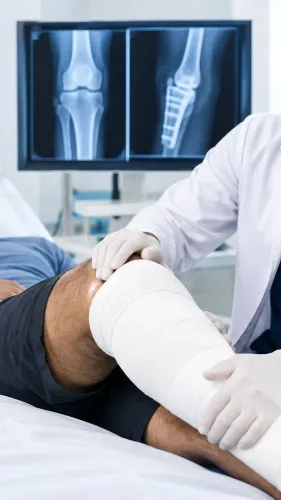
- X-rays, blood tests, ultrasound, or MRI are chosen based on the suspected condition.
- Ask how treatment affects school, activity, pain, and the timing of follow-up visits.
What to Bring to the First Paediatric Orthopaedic Appointment
At registration, staff record the child’s details, reason for the visit, and any referral information. The child orthopaedic doctor in Thane then takes a growth- and development-focused history before examining the painful area. Bring:
- Previous X-rays, MRI reports, image discs, vaccination records, medical records, and a current list of medicines and allergies.
- Birth details, including premature birth or delivery complications, plus recent height, weight, and other growth measurements.
- A symptom timeline: when pain, limping, swelling, stiffness, night symptoms, or activity-related problems began; what worsens them; and what the child can no longer do.
- The shoes worn most often, and videos of walking or running if the problem appears only occasionally.
The clinician asks about developmental milestones, first walking age, previous injuries, family history of hip, spine, limb, or joint problems, school activities, sports, and footwear. Reports from teachers or coaches can reveal a limp, reduced participation, poor balance, or a change in running that parents miss.
The doctor speaks with both parent and child. Expect questions about pain location and intensity, sleep, confidence, and activities the child avoids. Let the child answer directly, then add details; this creates a clearer history than speaking for them throughout.
How the Examination Evaluates Walking, Alignment, and Growth
A paediatric bone specialist in Thane distinguishes normal development from disease by comparing the child’s age, symmetry, function, pain, and change over time—not by appearance alone. Physiologic bow legs and knock knees often shift with age, while one-sided, painful, worsening, unusually severe, or asymmetric alignment needs assessment.
The examination may include:
- Height, weight, posture, and limb-length comparison to identify growth differences or a compensating tilt.
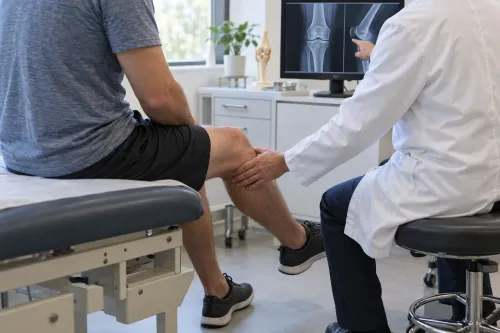
- Hip, knee, ankle, and foot range of motion, muscle strength, tenderness, swelling, skin changes, reflexes, and circulation.
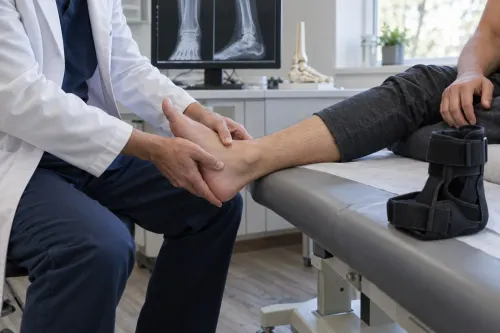
- Walking, running, squatting, climbing, turning, and standing on one leg to expose pigeon-toeing, flat-foot mechanics, weakness, hip problems, pain, rotational differences, limp, or gait compensation.
- Bow legs and knock knees assessed by alignment and spacing while standing, with attention to whether both sides match and whether the pattern is changing.
- Joint pain, posture changes, or a limp assessed alongside activity limits, night symptoms, and loss of motion rather than through appearance alone.
- Suspected growth-plate injuries assessed carefully after a fall or sports injury, especially when swelling, persistent pain, or inability to return to activity remains.
Growth plates are developing cartilage near the ends of children’s bones, not smaller adult bone. Their location, remaining growth, and injury risk affect treatment thresholds and follow-up; pain settling does not always end review when the plate may be involved.
A paediatric bone specialist in Thane may therefore measure again over time instead of prescribing braces automatically.
Which Tests Are Used and What Each Test Shows
The clinician chooses the investigation that answers the child’s specific question, rather than ordering every available scan. Standing or walking X-rays can show bone alignment, scoliosis curves, limb-length differences, fracture position, and weight-bearing relationships; a Cobb angle may be measured to quantify a scoliosis curve.
| Test | What it shows | When it applies |
|---|---|---|
| Plain X-ray | Bone position, fracture, alignment, and growth-plate area | Common first test for suspected fractures or alignment concerns |
| Ultrasound | Selected soft tissues and infant hip development | Useful before hip ossification makes X-rays reliable |
| MRI | Cartilage, ligaments, spinal cord, marrow, muscle, and other soft tissues | When symptoms persist, or X-rays do not explain examination findings |
| CT | Detailed bone structure and complex fracture patterns | When precise bony detail will change management |
| Blood tests | Signs of infection or inflammatory disease | Fever, swelling, persistent night pain, or concerning examination findings |
A fracture can be subtle or hidden on the first radiograph. If symptoms and images disagree, the clinician may recommend repeat X-rays, ultrasound, CT, or MRI.
MRI does not use ionising radiation, while paediatric imaging should use the lowest X-ray exposure that answers the question and avoid duplicate studies; do not refuse a medically justified X-ray.
Families seeking paediatric orthopaedic treatment in Thane should seek urgent assessment for fever, refusal to bear weight, severe pain, weight loss, or a very unwell appearance. A limp is a symptom, not a diagnosis.
How the Diagnosis and Treatment Choices Are Explained
After the examination and tests, expect a named diagnosis or a working diagnosis, its severity, likely effect on growth, expected natural progression, and the treatment choices. A children orthopaedic clinic in Thane should explain what is known, what remains uncertain, and what would change the plan.
1. Ask whether the finding is developmental or disease-related. Mild bow legs, knock knees, alignment differences, and many mild scoliosis curves can be observed because growth may bring useful change. The explanation should include the Cobb angle, curve pattern, skeletal maturity, pain, and progression risk when scoliosis is involved.
2. Agree on monitoring. Ask when the next examination or standing X-ray is needed and which signs require earlier review: increasing asymmetry, persistent pain, worsening limp, instability, weakness, numbness, loss of movement, fever, or reduced activity.
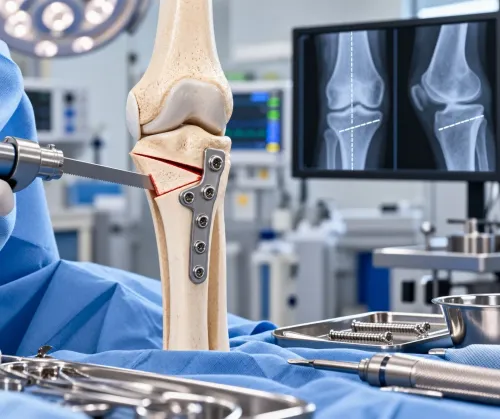
3. Compare alternatives clearly. Observation, physiotherapy, a brace, injection, or operation each has a purpose, limitation, risk, and growth-related implication. A scoliosis brace mainly limits progression; it does not guarantee permanent straightening.
4. Seek a second opinion when a brace, injection, or operation is proposed from one image without a documented examination or explanation of natural history. This is especially sensible when growth-plate involvement, neurological findings, persistent progression, instability, or functional loss is present.
At The Bone & Joints - Advance Ortho Care 08048067357, use the consultation to ask why each investigation is needed and what specific finding would trigger a change in treatment. The goal is an informed decision, not a guaranteed procedure.
Related service
Paediatric Orthopaedics Dr. Vivek V. Shingane is an experienced Orthopaedic and Joint Replacement Surgeon offering specialized care in paediatric orthopaedics at The Bone &... View service → |
What Treatment and Follow-Up Look Like Between Visits
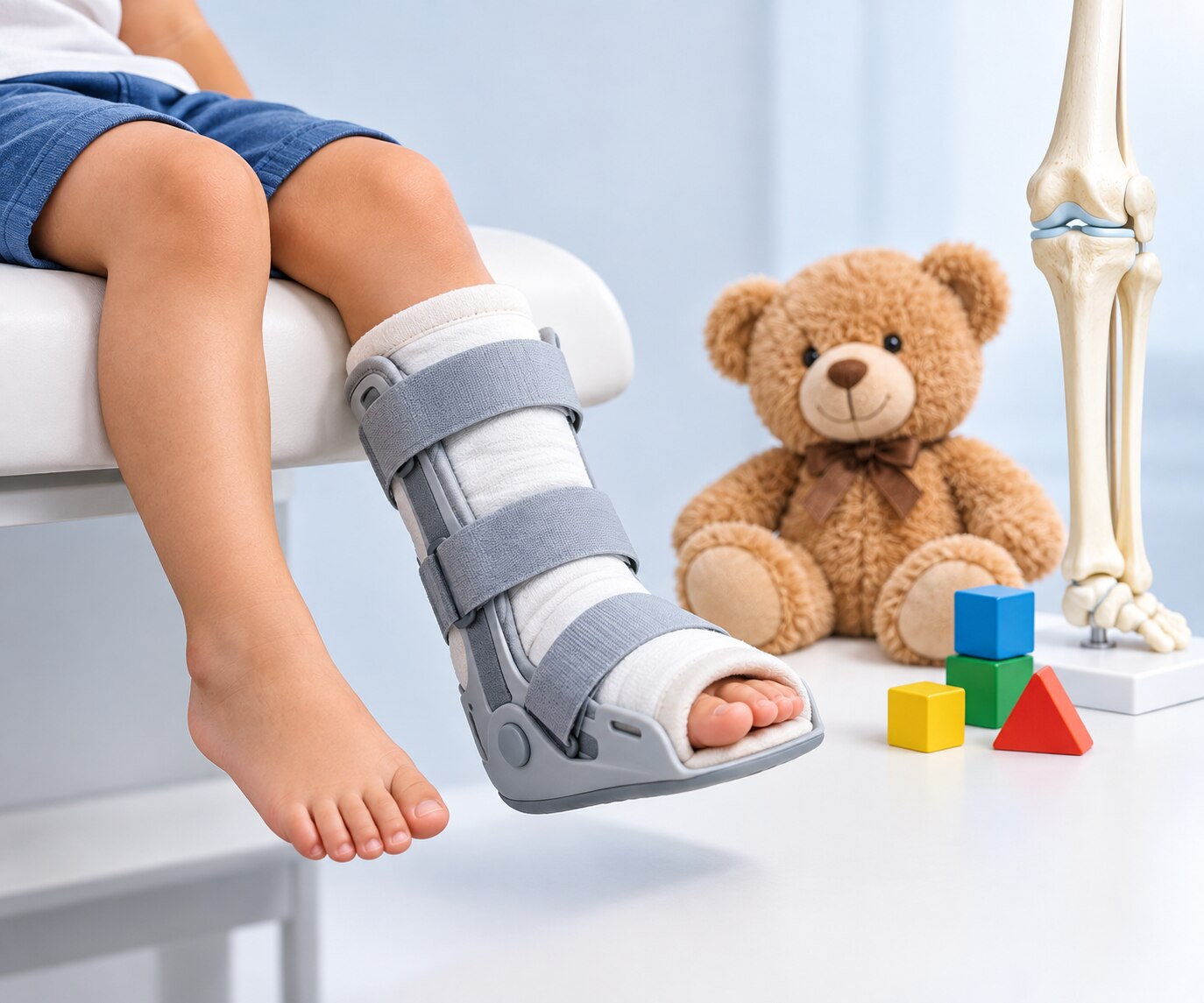
After diagnosis, the plan usually moves from protection to measured activity. Non-surgical care may include observation, activity changes, age- and weight-based pain relief prescribed by the clinician, physiotherapy, stretching, strengthening, footwear changes, orthoses, braces, splints, or a cast.
1. Follow the home plan consistently. Exercises and activity changes need regular practice over several weeks, not occasional effort. Use braces and orthoses for the prescribed duration and arrange fit checks if they rub, slip, or leave marks.
2. Check a cast every day. Seek urgent advice for increasing pain, numbness, tingling, colour change, worsening swelling, wetness, a cracked cast, or skin irritation. Do not insert objects inside it to scratch.
3. Attend reviews even after pain improves. A child orthopaedic doctor in Thane may schedule visits over weeks, months, or longer according to growth, fracture stability, alignment, scoliosis progression, or growth-plate risk. Bring changes in symptoms, activity tolerance, and equipment problems.
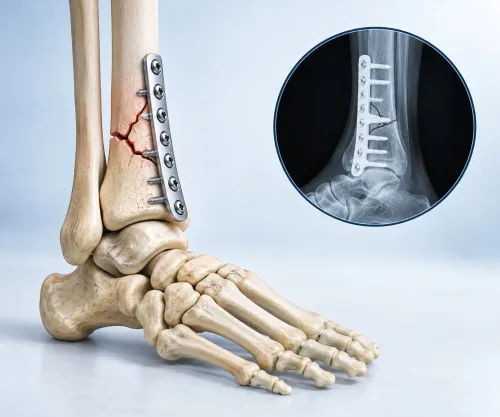
Fracture remodelling depends on age, the bone involved, deformity, fracture direction, remaining growth, and distance from the growth plate. Rotational deformity remodels poorly, so a straight-looking limb does not always mean the injury is fully corrected.
If surgery is needed, ask about anaesthesia, infection, nerve or blood-vessel injury, growth-plate effects, implants, casts, wound care, restrictions, physiotherapy, and possible later procedures. Return to sport after paediatric orthopaedic treatment in Thane should follow restored strength, motion, function, and sport-specific testing—not a fixed rest period.
Frequently asked questions
What should I bring to a child orthopaedic appointment?
Bring the child’s referral letter, previous X-rays or scans, medical reports, medicine list, growth records, and a short video showing unusual walking or movement.
What does a paediatric orthopaedic examination check?
The doctor observes walking and posture, compares limb alignment, checks joint movement and muscle strength, examines the painful area, and reviews growth and development.
Which tests might a child need during orthopaedic treatment?
The doctor may request an X-ray to assess bones and alignment, an ultrasound to examine soft tissues, an MRI for detailed joints or nerves, or blood tests when infection or inflammation is suspected.
How are treatment options explained to parents?
The doctor explains the diagnosis, expected course, treatment benefits and risks, alternatives, activity limits, warning signs, and when the child needs review.
What happens between paediatric orthopaedic follow-up visits?
Follow the prescribed exercises, brace or cast instructions, medicines, and activity limits. Record pain, swelling, walking changes, and new symptoms for the next appointment.
Keywords