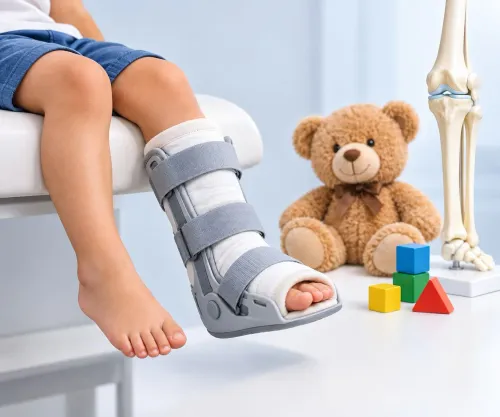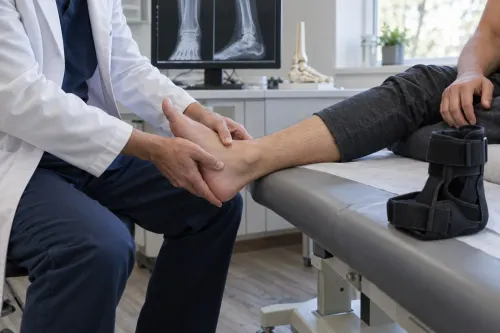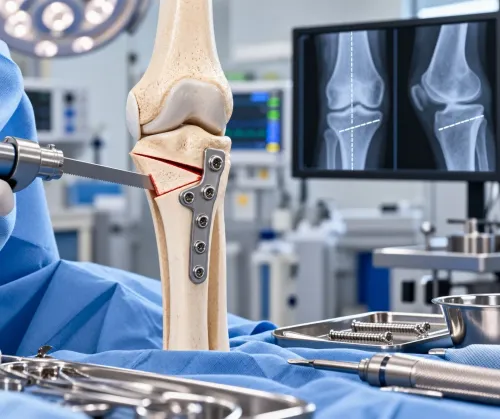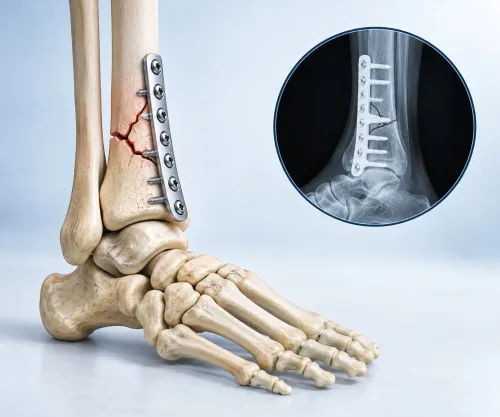
Tendons and ligaments are essential components of the musculoskeletal system, allowing joints to move smoothly while maintaining stability. A tendon connects muscles to bones, helping generate movement, whereas a ligament connects bones to other bones, providing strength and support to the joints. Injuries to these structures can occur during sports, road accidents, falls, or even sudden twisting movements during routine activities. When a severe tear or rupture occurs, Tendon and Ligament Reconstruction Surgery may be necessary to restore joint function and stability.
Not every tendon or ligament injury requires surgery. Many mild sprains and partial tears heal successfully with rest, physiotherapy, and rehabilitation. However, complete tears or injuries that significantly affect mobility often require surgical reconstruction to help patients regain normal function and reduce the risk of long-term joint instability.
Understanding Tendon and Ligament Injuries
Tendon and ligament injuries vary in severity depending on the extent of tissue damage.
Common injuries include:
- Anterior Cruciate Ligament (ACL) tears
- Posterior Cruciate Ligament (PCL) injuries
- Medial Collateral Ligament (MCL) injuries
- Rotator cuff tendon tears
- Achilles tendon rupture
- Patellar tendon injuries
- Shoulder ligament injuries
- Ankle ligament tears
These injuries may occur suddenly during sports or develop gradually due to repetitive stress and overuse.
Signs That Should Not Be Ignored
Some injuries may initially appear to be a simple sprain, but persistent symptoms often indicate more significant damage.
Seek orthopedic evaluation if you experience:
- A popping sensation at the time of injury
- Severe swelling around a joint
- Difficulty bearing weight
- Joint instability or repeated giving way
- Persistent pain despite rest
- Limited range of motion
- Weakness during movement
- Difficulty returning to sports or physical activity
Early diagnosis can help prevent further joint damage and improve treatment outcomes.
When Is Reconstruction Surgery Recommended?
Orthopedic specialists recommend surgery only after carefully evaluating the injury, lifestyle requirements, and overall health of the patient.
Reconstruction may be considered when:
- A ligament is completely torn
- A tendon has ruptured
- The joint remains unstable despite rehabilitation
- Conservative treatment has failed
- The patient wishes to return to competitive sports
- Multiple ligament injuries are present
- The injury significantly affects daily activities
The objective is to restore joint stability, improve movement, and reduce the likelihood of recurrent injuries.
How Is the Diagnosis Made?
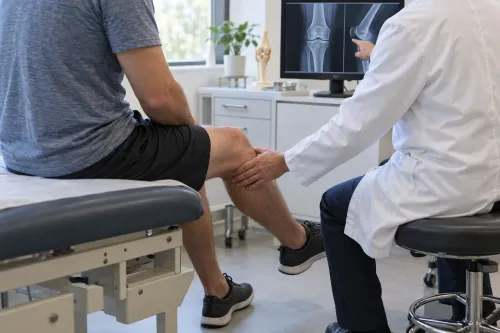
Before recommending surgery, the orthopedic specialist performs a detailed assessment that may include:
- Clinical examination
- Evaluation of joint stability
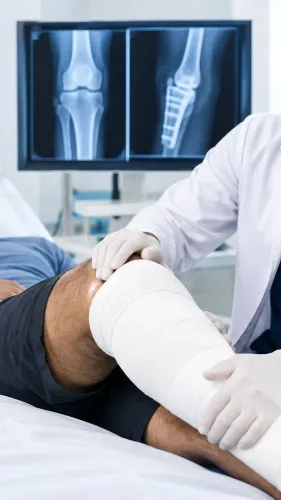
- X-rays to assess associated bone injuries
- MRI scans to visualize soft tissue damage
- Review of previous treatments and rehabilitation
Accurate diagnosis helps determine whether surgical reconstruction or continued conservative treatment is the better option.
What Happens During Reconstruction Surgery?
The surgical technique depends on the injured tendon or ligament and its severity.
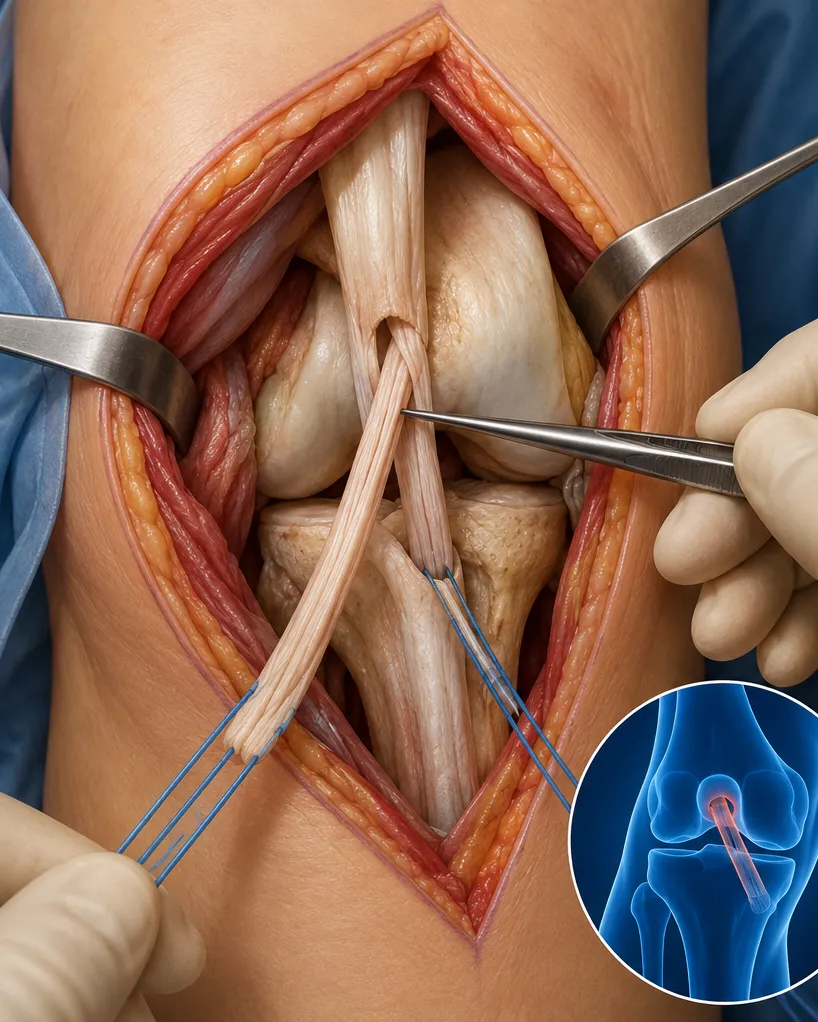
In many cases, the damaged structure is reconstructed using:
- The patient's own tissue (autograft)
- Donor tissue (allograft), when appropriate
- Specialized surgical fixation devices
Many ligament reconstruction procedures are performed arthroscopically using minimally invasive techniques, allowing surgeons to repair the injured structures with precision while minimizing disruption to surrounding tissues.
Rehabilitation Is Just as Important as Surgery
Surgery is only one part of recovery. A structured rehabilitation program is essential for restoring strength, flexibility, balance, and joint function.
Rehabilitation generally includes:
- Protecting the repaired tissue during early healing.
- Restoring joint mobility gradually.
- Strengthening surrounding muscles.
- Improving balance and coordination.
- Gradually returning to sports or routine activities.
Patients who consistently follow their rehabilitation program often achieve better functional recovery than those who discontinue physiotherapy prematurely.
Preventing Future Tendon and Ligament Injuries
While not every injury can be prevented, certain habits reduce the risk.
Helpful preventive measures include:
- Proper warm-up before exercise
- Strength and flexibility training
- Wearing appropriate footwear
- Using correct sports techniques
- Gradually increasing training intensity
- Allowing adequate recovery after strenuous activity
- Addressing minor injuries before they worsen
Athletes and active individuals benefit particularly from injury prevention programs that improve muscle control and joint stability.
Specialized Orthopedic Care in Thane
People living in Thane, Maharashtra, who experience persistent joint instability or tendon injuries should seek timely orthopedic assessment rather than assuming the problem will resolve on its own. Early evaluation allows specialists to determine whether rehabilitation alone is sufficient or whether reconstruction surgery offers the best opportunity for recovery.
At The Bone and Joints - Advance Ortho Care, Dr. Vivek V. Shingane, patients with tendon and ligament injuries receive comprehensive clinical evaluation, advanced imaging when required, and individualized treatment planning based on the nature of the injury and functional goals. Surgical intervention is recommended only when clinically appropriate, followed by structured rehabilitation to support long-term recovery. Additional information about orthopedic services is available through drvivekshingane.com.
Tendon and Ligament Reconstruction Surgery plays an important role in restoring joint stability and helping patients regain confidence in their daily activities. Combined with expert diagnosis, evidence-based surgical techniques, and dedicated rehabilitation, it offers many individuals the opportunity to recover safely and return to an active, independent lifestyle.
Keywords