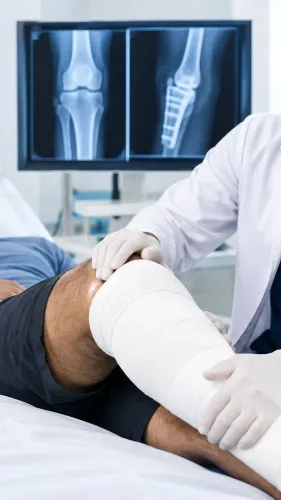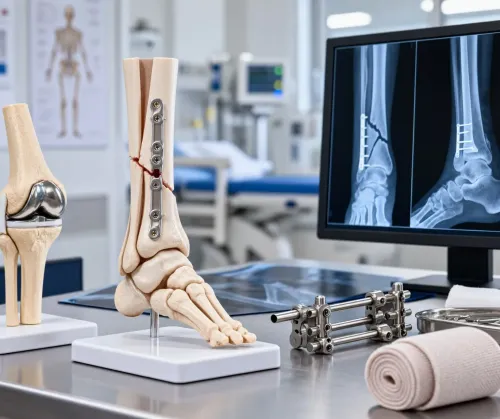

Knee arthritis is one of the most common reasons adults and senior citizens seek orthopedic care. Persistent knee pain, stiffness while walking, difficulty climbing stairs, and reduced mobility can gradually affect independence and quality of life. While medications, physiotherapy, and lifestyle modifications often help in the early stages, advanced arthritis may eventually require surgical intervention.
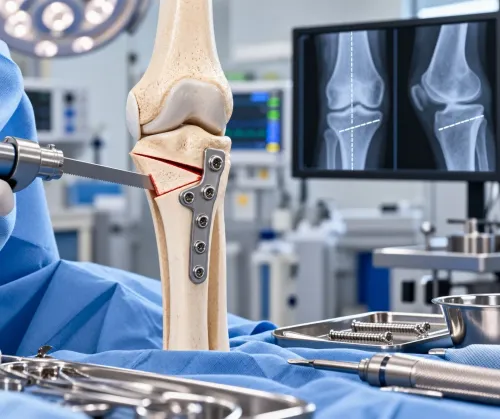
Robotic Knee Replacement Surgery has emerged as a significant advancement in orthopedic treatment. Unlike conventional techniques, robotic-assisted systems help surgeons create highly precise surgical plans based on the patient's unique anatomy. This technology allows for accurate implant positioning, improved alignment, and greater preservation of healthy tissues.
Many people assume that a robotic procedure means a machine performs the surgery independently. In reality, the surgeon remains fully in control throughout the operation. The robotic platform serves as an advanced guidance tool, helping the surgeon execute the treatment plan with greater precision.
Common signs that may indicate the need for evaluation include:
- Severe knee pain despite medication
- Difficulty standing for extended periods
- Knee deformity or bowing
- Sleep disturbances due to pain
- Reduced participation in daily activities
For residents of Thane and surrounding areas of Maharashtra, awareness about advanced orthopedic options has increased significantly over the past few years. Patients are increasingly researching minimally invasive orthopedic surgery techniques and robotic joint replacement procedures before making treatment decisions.
The benefits often associated with robotic-assisted knee replacement include:
- Enhanced surgical accuracy
- Better implant alignment
- Reduced soft tissue disruption
- Improved joint function
- Personalized surgical planning
Recovery remains an important consideration. While recovery timelines vary based on age, overall health, and rehabilitation commitment, many patients experience progressive improvement in mobility through structured physiotherapy programs.
At The Bone & Joints - Advance Ortho Care, Dr. Vivek V. Shingane evaluates each patient individually to determine whether robotic-assisted surgery is appropriate or whether non-surgical treatments can still provide meaningful relief.
The future of knee arthritis treatment continues to evolve, and robotic technology represents one of the most notable developments in modern orthopedic care. For patients struggling with chronic knee pain, understanding these advancements can help them make informed decisions about their long-term mobility and joint health.
Keywords