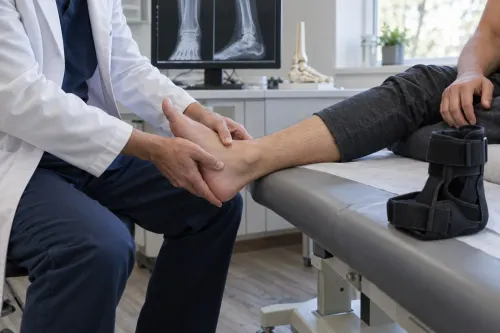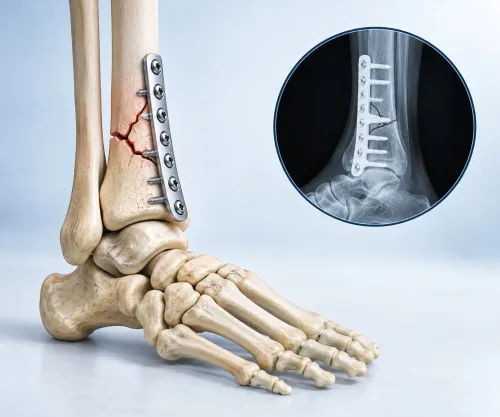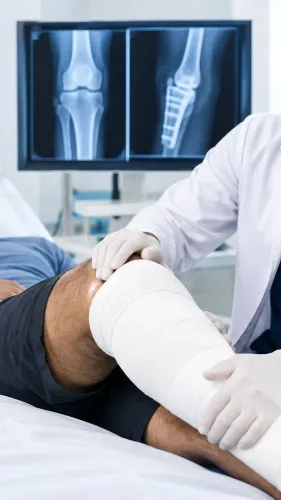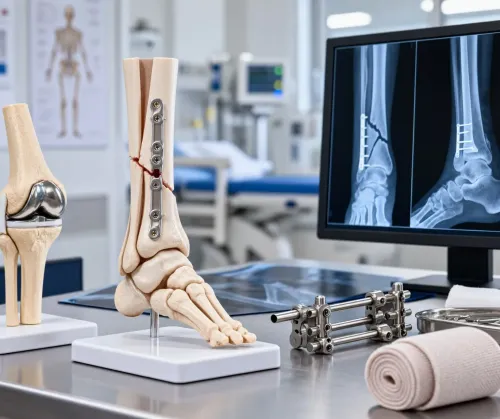
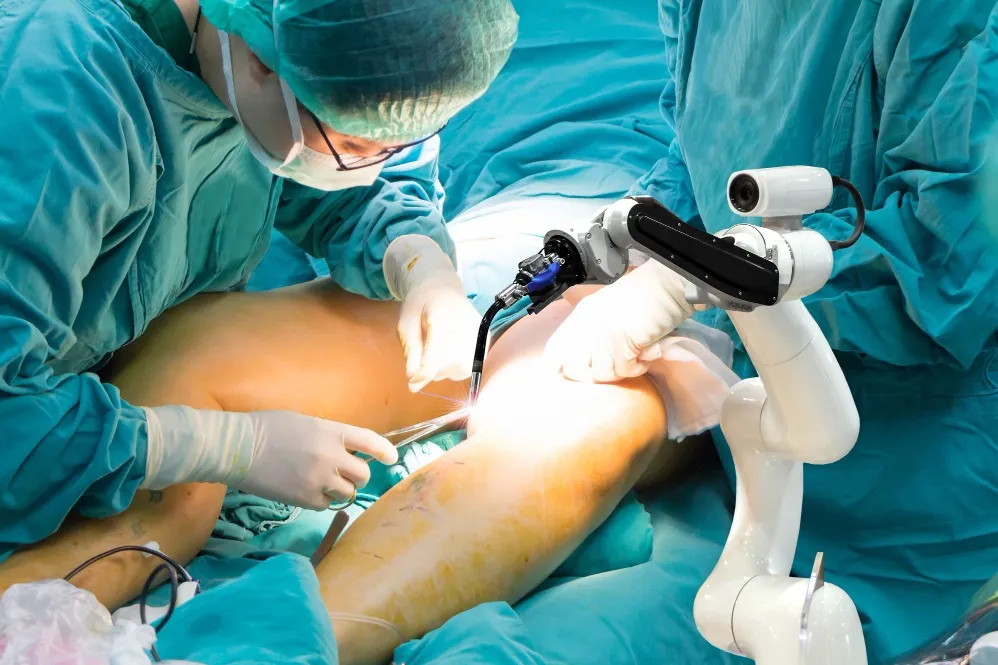
Persistent knee or hip pain can gradually make everyday activities more difficult. Climbing stairs, walking for longer distances, standing for extended periods, or even getting up from a chair may become uncomfortable. While medications, physiotherapy, weight management, and lifestyle modifications often help in the early stages of joint problems, some individuals eventually require a more advanced treatment option. One of the significant developments in modern orthopedics is Robotic Joint Replacement Surgery, which is designed to improve surgical precision while supporting better functional outcomes.
Although the term 'robotic surgery' may sound intimidating, the technology does not replace the expertise of an orthopedic surgeon. Instead, it acts as an advanced surgical assistant that helps the surgeon plan and execute the procedure with a high level of accuracy. Every step of the operation remains under the surgeon's complete control. The robotic system provides detailed guidance that assists in positioning the implant according to the patient's individual anatomy.
Understanding Robotic Joint Replacement Surgery
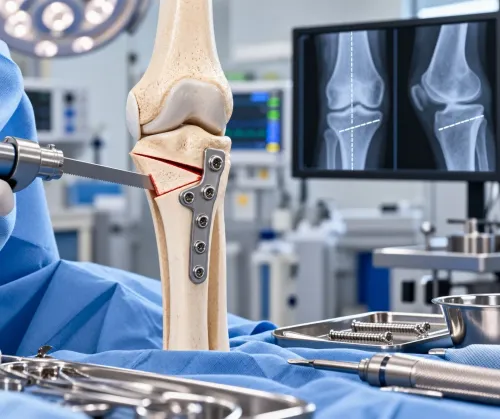
Robotic Joint Replacement Surgery combines advanced imaging technology, digital surgical planning, and computer-assisted guidance. Before surgery, detailed scans help create a three-dimensional understanding of the affected joint. This allows the surgeon to evaluate the patient's bone structure, joint alignment, and extent of cartilage damage.
During the procedure, the robotic system continuously provides real-time information that helps ensure precise bone preparation and implant positioning. Since every patient's anatomy is different, this personalized approach can support improved joint mechanics and movement after recovery.
The technology is commonly used for:
- Knee replacement surgery
- Hip replacement surgery
- Selected revision joint replacement procedures
The objective is not simply replacing a damaged joint but restoring function while maintaining proper alignment and stability.
Who May Need This Procedure?
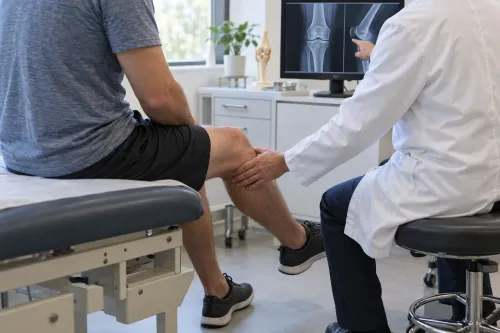
Joint replacement is usually considered after conservative treatments have not provided adequate relief. Individuals may benefit from an orthopedic evaluation if they experience:
- Persistent knee or hip pain lasting several months
- Difficulty walking or climbing stairs
- Joint stiffness that limits daily activities
- Pain that disturbs sleep
- Reduced mobility affecting independence
- Advanced osteoarthritis visible on imaging studies
- Joint deformity or progressive loss of movement
The decision for surgery is always based on a thorough clinical examination, imaging findings, medical history, and the patient's functional limitations rather than age alone.
Advantages of Robotic Technology
One of the biggest advantages of robotic assistance is improved surgical accuracy. Because implant positioning plays a crucial role in long-term joint function, precise planning can contribute to better outcomes.
Potential benefits may include:
- More accurate implant placement
- Better restoration of joint alignment
- Personalized surgical planning
- Preservation of healthy surrounding bone where appropriate
- Improved joint stability
- Better balance of soft tissues
- Potentially smoother recovery for suitable patients
It is important to remember that recovery also depends on rehabilitation, physiotherapy, overall health, and adherence to postoperative instructions.
Common Misconceptions
Many people assume that the robot performs the surgery independently. This is incorrect. The robotic system is an advanced tool that assists the orthopedic surgeon throughout the procedure. The surgeon makes every clinical decision and controls every movement during surgery.
Another misconception is that robotic surgery is appropriate for everyone. While many patients may benefit, suitability depends on factors such as the condition of the joint, overall health, bone quality, and individual treatment goals.
Recovery After Surgery
Recovery begins soon after the procedure. Early movement, guided physiotherapy, and gradual strengthening exercises form an important part of rehabilitation. Many patients begin walking with assistance within a short period, depending on their overall condition and the surgeon's recommendations.
Recovery timelines vary from person to person. Factors such as age, medical conditions, muscle strength, and commitment to rehabilitation all influence the final outcome. Following medical advice, attending physiotherapy sessions, and maintaining a healthy lifestyle can significantly support long-term success.
Why Local Expertise Matters
Choosing an experienced orthopedic surgeon is just as important as choosing advanced surgical technology. Patients in Thane, Maharashtra, often look for specialists who combine modern treatment techniques with comprehensive preoperative assessment and structured postoperative care.
At The Bone and Joints - Advance Ortho Care, Dr. Vivek V. Shingane, robotic joint replacement is approached through detailed evaluation, individualized surgical planning, and patient education. The focus is on selecting the most appropriate treatment based on each person's condition rather than recommending surgery as the first option. Information about available orthopedic services and treatment approaches can also be explored through the clinic's website, drvivekshingane.com.
Robotic Joint Replacement Surgery represents an important advancement in orthopedic care by enhancing surgical precision and supporting personalized treatment planning. For individuals whose knee or hip pain continues to interfere with daily life despite conservative treatment, consulting an experienced orthopedic specialist in Thane can help determine whether this technology is a suitable option for restoring mobility and improving quality of life.
Keywords