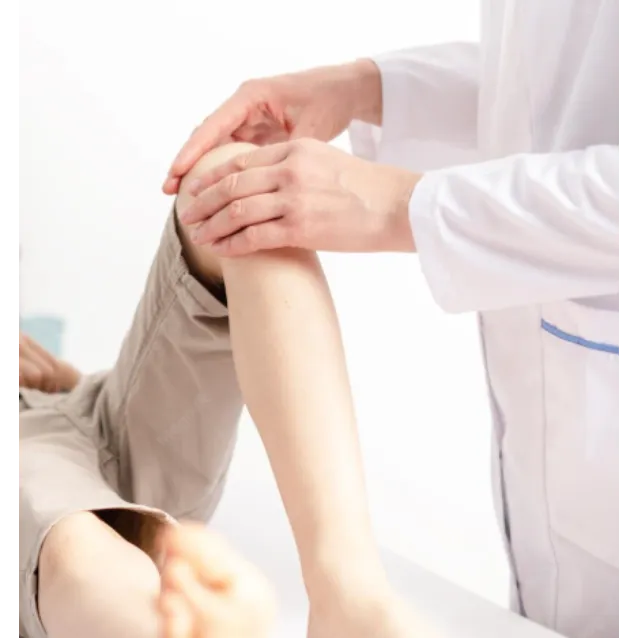
Children are naturally active. Running, jumping, climbing, and participating in sports are all important parts of growing up. Along the way, bumps, falls, and occasional injuries are common. However, not every orthopedic concern in children is related to an accident. Some bone, joint, muscle, or walking problems develop gradually and may require specialized evaluation. Pediatric Orthopedic Treatment focuses on diagnosing and managing these conditions while supporting healthy growth and development.
Unlike adults, children's bones are still growing. Growth plates, developing joints, and changing body mechanics require a different approach to diagnosis and treatment. Early orthopedic evaluation can often prevent minor problems from becoming more significant as the child grows.
What Is Pediatric Orthopedics?
Pediatric orthopedics is a branch of orthopedic care dedicated to the diagnosis and treatment of musculoskeletal conditions affecting infants, children, and adolescents.
These conditions may involve:
- Bones
- Joints
- Muscles
- Tendons
- Ligaments
- Spine
- Growth plates
Treatment aims not only to address the current problem but also to support normal physical development throughout childhood.
Common Conditions Seen in Children
Many orthopedic concerns can be treated successfully when identified early.
Some commonly managed conditions include:
- Fractures after falls or sports injuries
- Clubfoot
- Flat feet
- Knock knees
- Bow legs
- Hip development disorders
- Limb length differences
- Scoliosis
- Walking abnormalities
- Sports-related injuries in young athletes
Not every child with these conditions requires surgery. Many respond well to observation, physiotherapy, braces, or other conservative treatments.
Signs Parents Should Watch For
Children may not always be able to explain what they are experiencing. Parents should consider orthopedic evaluation if they notice:
- Persistent limping
- Frequent complaints of joint pain
- Difficulty walking or running
- Uneven shoulder or hip height
- Curved spine
- Delayed walking milestones
- Swelling after an injury
- Reduced use of an arm or leg
- Repeated fractures
Seeking medical advice early allows problems to be addressed before they interfere with normal growth.
How Are Pediatric Orthopedic Problems Diagnosed?
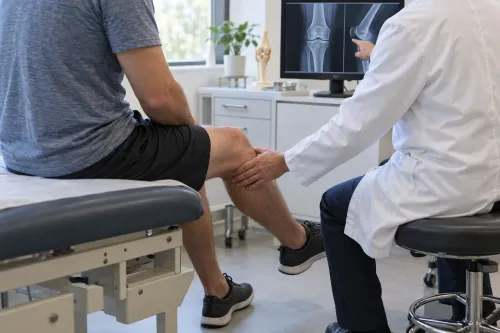
Diagnosis begins with understanding the child's medical history and developmental milestones.
An orthopedic assessment may include:
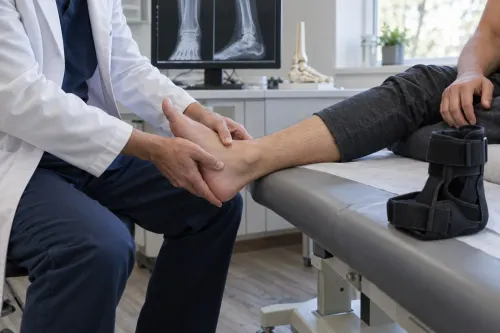
- Physical examination
- Observation of walking pattern
- Assessment of joint movement
- Growth evaluation
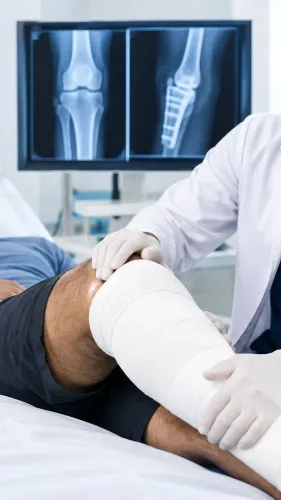
- X-rays when necessary
- Ultrasound or MRI for selected conditions
Children often require a different diagnostic approach than adults because many normal developmental changes can resemble orthopedic disorders.
Treatment Options
The treatment plan depends on the child's age, diagnosis, and stage of skeletal development.
Possible treatment approaches include:
Observation
Some conditions improve naturally as children grow and only require regular monitoring.
Physiotherapy
Targeted exercises help improve muscle strength, balance, coordination, and joint movement.
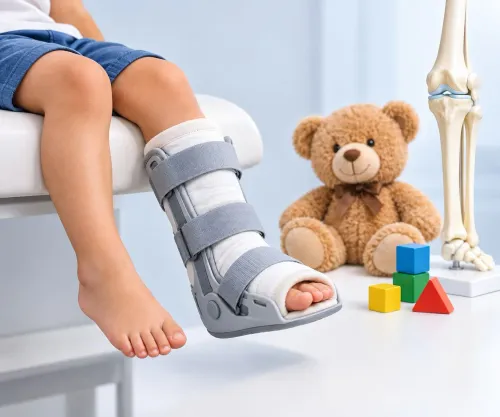
Bracing or Orthotic Devices
Certain conditions benefit from supportive devices that guide bone growth or improve joint alignment.
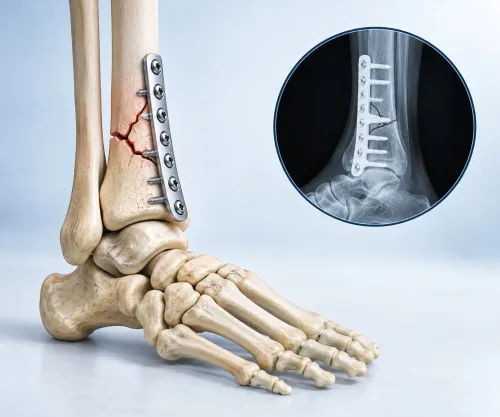
Fracture Care
Children's fractures often heal differently from adult fractures and require age-appropriate management.
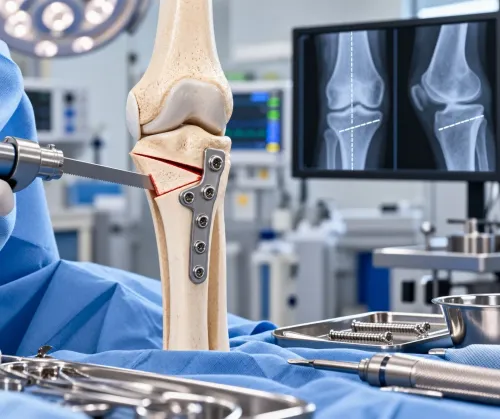
Surgery
When conservative treatments are insufficient or structural correction is necessary, orthopedic surgery may be recommended after careful evaluation.
Why Early Diagnosis Matters
Children's bones have excellent healing potential, but untreated orthopedic conditions may influence long-term growth and joint function.
Early intervention may help:
- Promote healthy bone development
- Improve posture
- Prevent worsening deformities
- Restore normal movement
- Support participation in sports and school activities
- Reduce future orthopedic complications
Parents should not assume children will simply 'grow out of' every walking or posture concern without professional evaluation.
Helping Children Maintain Healthy Bones
Parents can encourage lifelong bone health by supporting healthy habits such as:
- Regular physical activity
- A balanced diet rich in calcium and protein
- Adequate Vitamin D
- Proper sports safety equipment
- Maintaining a healthy body weight
- Encouraging good posture
- Prompt medical attention after injuries
These simple measures contribute to stronger bones and healthier joint development throughout childhood.
Pediatric Orthopedic Care in Thane
Families in Thane, Maharashtra, benefit from timely access to orthopedic assessment when children experience injuries, walking difficulties, or developmental concerns. Accurate diagnosis helps determine whether reassurance, conservative treatment, or further intervention is required.
At The Bone and Joints - Advance Ortho Care, Dr. Vivek V. Shingane, children with orthopedic concerns receive individualized evaluation based on their age, symptoms, and stage of growth. Treatment recommendations prioritize healthy skeletal development while considering both immediate recovery and long-term function. More information about orthopedic services and available treatment options can be found at drvivekshingane.com.
Pediatric Orthopedic Treatment plays an important role in helping children grow with healthy bones, joints, and muscles. Early recognition of orthopedic concerns, combined with appropriate medical care and regular follow-up, supports better mobility, physical development, and an active childhood that lays the foundation for lifelong musculoskeletal health.
Keywords