Back and neck pain are among the most common reasons people seek orthopedic care. While many cases improve with rest, physiotherapy, medication, and lifestyle modifications, some spinal conditions continue to worsen despite conservative treatment. When persistent pain begins affecting mobility, work, or quality of life, Minimally Invasive Spine Surgery may be considered for carefully selected patients.
Modern spine surgery has evolved significantly over the years. Instead of large incisions and extensive muscle dissection, many spinal procedures can now be performed using specialized instruments and advanced imaging techniques through much smaller incisions. The goal is to treat the underlying spinal problem while minimizing disruption to surrounding muscles and tissues.
What Is Minimally Invasive Spine Surgery?
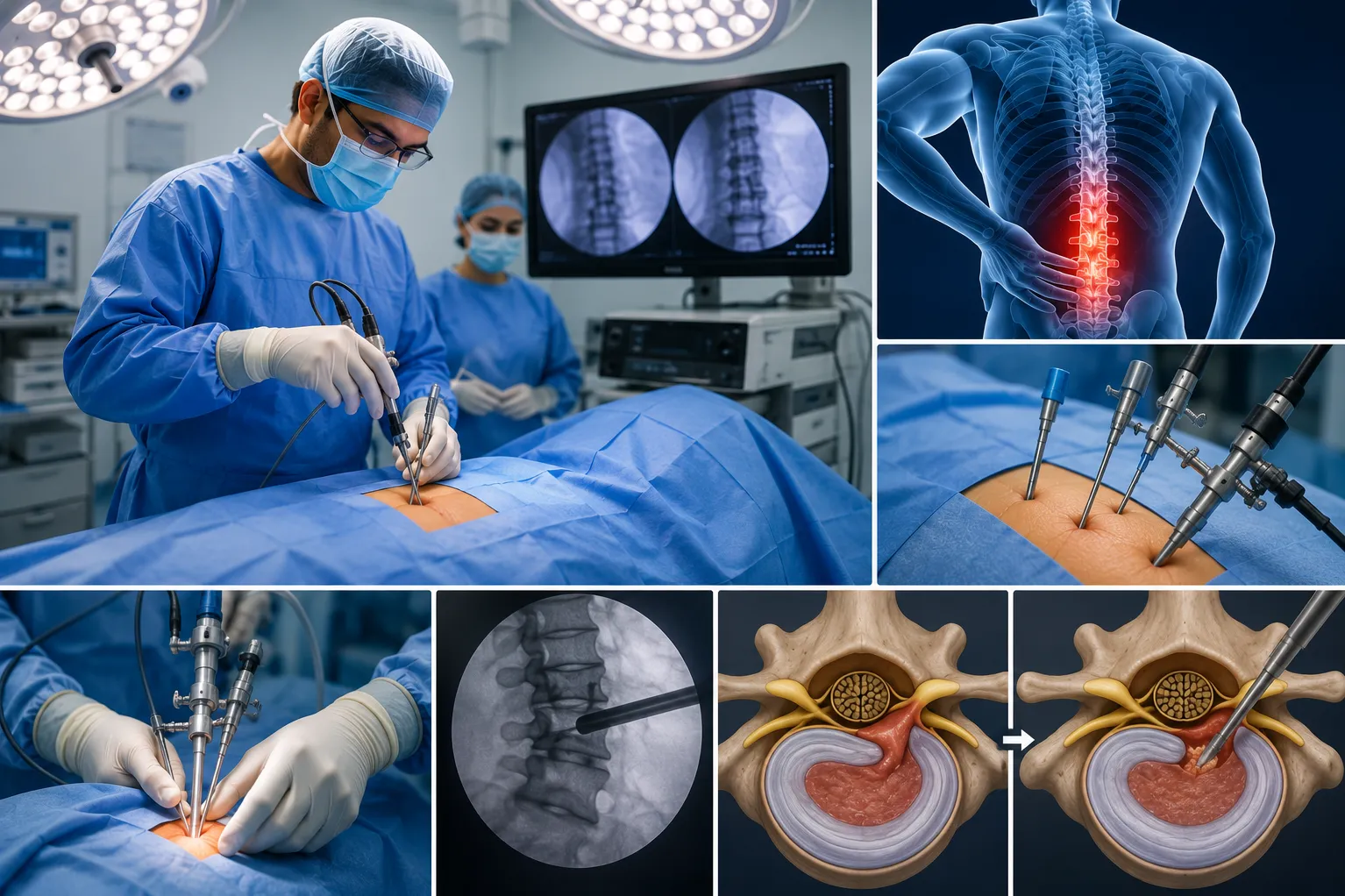
Minimally Invasive Spine Surgery (MISS) is a surgical approach used to diagnose and treat certain spinal conditions through small incisions. Surgeons use specialized instruments, surgical microscopes, or endoscopic equipment to access the affected area with greater precision.
Unlike traditional open spine surgery, this technique focuses on preserving healthy muscles, ligaments, and surrounding tissues whenever possible.
However, it is important to understand that minimally invasive surgery is not suitable for every spinal condition. The decision depends on the patient's diagnosis, the severity of the problem, overall health, and treatment goals.
Conditions That May Be Treated
An orthopedic spine specialist may recommend minimally invasive techniques for conditions such as:
- Herniated (slipped) disc
- Lumbar spinal stenosis
- Degenerative disc disease
- Certain spinal fractures
- Sciatica caused by nerve compression
- Some cases of spinal instability
- Selected spinal deformities
Each case requires detailed clinical evaluation and imaging before surgery is considered.
Symptoms That Should Not Be Ignored
Many people ignore back pain until it becomes severe. While occasional discomfort often resolves with conservative care, persistent symptoms deserve medical attention.
Consult an orthopedic specialist if you experience:
- Back pain lasting more than a few weeks
- Pain radiating into the legs
- Numbness or tingling in the limbs
- Weakness in the legs
- Difficulty walking long distances
- Loss of balance
- Neck pain associated with arm weakness
- Symptoms affecting bladder or bowel control (requires immediate medical attention)
Early diagnosis can prevent further nerve damage and improve treatment outcomes.
Benefits of Minimally Invasive Techniques
When clinically appropriate, minimally invasive spine surgery offers several potential advantages compared with traditional open procedures.
These may include:
- Smaller surgical incisions
- Less disruption to muscles and soft tissues
- Reduced blood loss during surgery
- Lower risk of wound complications
- Shorter hospital stay in many cases
- Earlier mobilization
- Smaller scars
- Structured recovery through rehabilitation
The benefits vary depending on the specific procedure and the patient's individual health condition.
Is Surgery Always Necessary?
No. Most patients with spine-related pain improve without surgery. Orthopedic specialists generally recommend conservative treatments first, including:
- Physiotherapy
- Activity modification
- Pain management
- Posture correction
- Weight management
- Core strengthening exercises
- Lifestyle modifications
Surgery is considered only when these measures fail to provide adequate relief or when there is significant nerve compression, progressive weakness, spinal instability, or other serious structural problems.
Recovery After Spine Surgery
Recovery begins with careful postoperative monitoring followed by a personalized rehabilitation program. Early movement is encouraged under medical supervision to reduce stiffness and improve circulation.
Recovery usually focuses on:
- Pain management.
- Gradual increase in physical activity.
- Core muscle strengthening.
- Improving flexibility.
- Restoring normal daily function.
- Preventing future spinal problems.
Patients should follow lifting restrictions and rehabilitation guidelines provided by their orthopedic specialist to ensure proper healing.
Maintaining Long-Term Spine Health
Whether surgery is required or not, maintaining a healthy spine remains essential.
Simple habits that support spinal health include:
- Maintaining good posture
- Exercising regularly
- Strengthening core muscles
- Avoiding prolonged sitting
- Using proper lifting techniques
- Maintaining a healthy body weight
- Taking breaks during desk work
These lifestyle measures help reduce stress on the spine and lower the risk of future injuries.
Personalized Spine Care in Thane
Individuals living in Thane, Maharashtra, often seek specialized orthopedic evaluation for persistent back or neck pain that interferes with everyday life. Accurate diagnosis is the first step toward selecting the most appropriate treatment, whether conservative management or minimally invasive surgery.
At The Bone and Joints - Advance Ortho Care, Dr. Vivek V. Shingane, patients undergo comprehensive clinical assessment and imaging to determine the underlying cause of spinal symptoms. Treatment recommendations are tailored to each individual's condition, ensuring that surgery is advised only when clinically necessary. More information about orthopedic and spine care services can be explored through drvivekshingane.com.
Minimally Invasive Spine Surgery represents an important advancement in orthopedic care for selected spinal conditions. Combined with expert diagnosis, evidence-based treatment planning, and dedicated rehabilitation, it offers many patients an opportunity to relieve pain, restore mobility, and return to daily activities while minimizing disruption to surrounding tissues.
Keywords