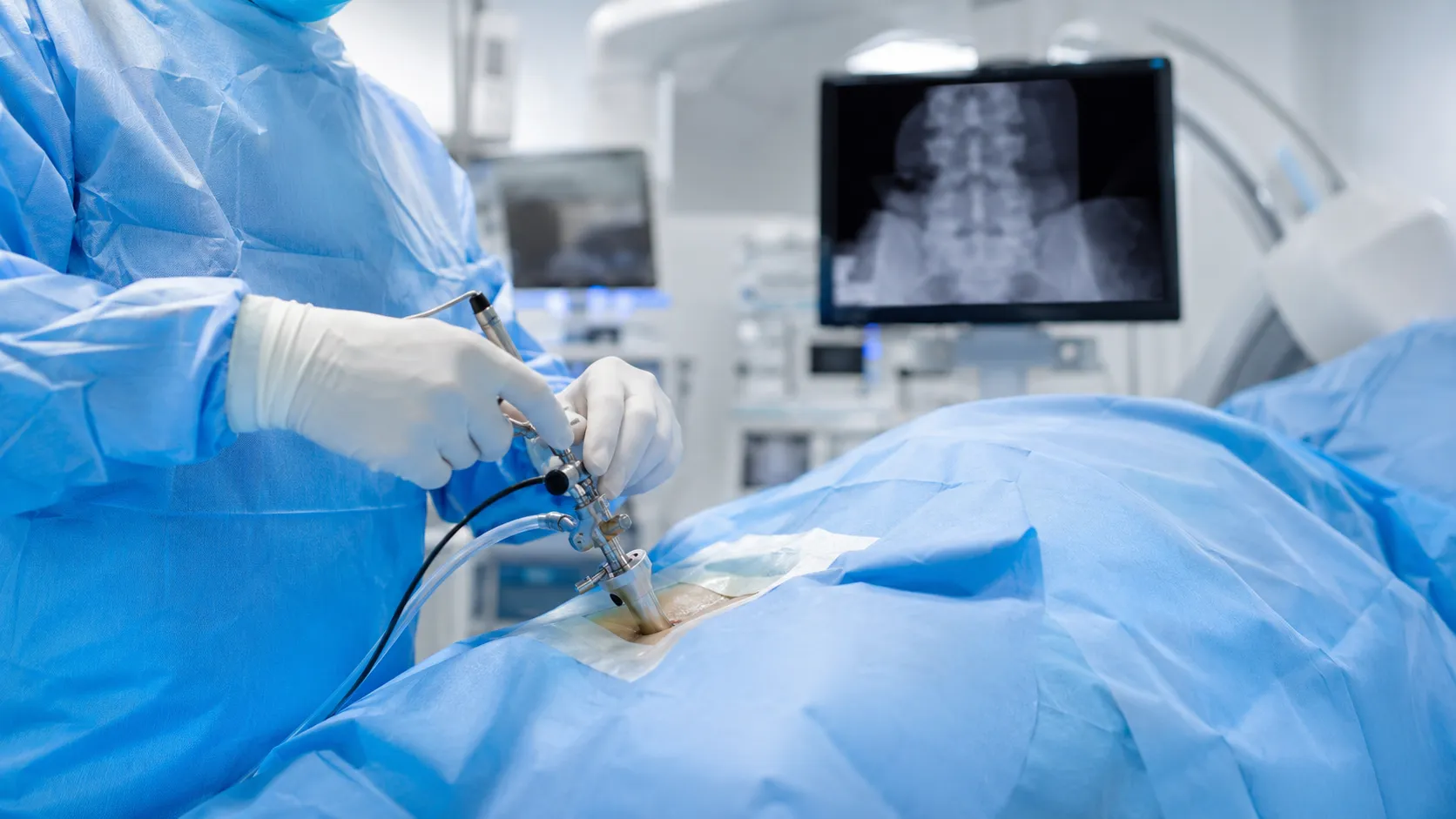
Back pain is extremely common, but only a proportion of people with spinal symptoms need an operation. Even among patients who do require surgery, the appropriate technique depends on the underlying spinal problem. Minimally Invasive Spine Surgery is one approach that may be considered for selected conditions after detailed assessment.
The term “minimally invasive” describes the surgical approach; it does not mean every spine condition can be corrected through a small incision.
Start With the Cause of the Symptoms
Back pain can arise from muscles, joints, discs, nerves and several other structures.
Some patients experience mainly local back pain. Others develop pain radiating into an arm or leg, numbness, tingling or weakness.
Because these symptoms can have different causes, diagnosis usually requires a combination of clinical history and physical examination. Imaging such as MRI may be recommended when clinically indicated.
When Is Surgery Considered?
Many spine conditions are initially managed without surgery.
Depending on the diagnosis, conservative care may involve medication, activity modification, physiotherapy and other measures. Surgery may enter the discussion when there is an appropriate structural indication, significant neurological involvement or persistent symptoms despite suitable non-operative management.
Certain neurological symptoms can require more urgent evaluation.
What Does Minimally Invasive Mean?
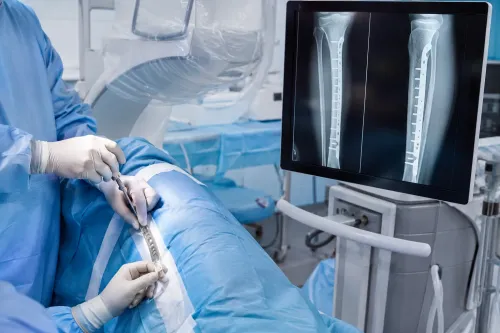
Traditional open procedures may require broader exposure of the surgical area. Minimally invasive techniques aim to reach selected spinal structures through smaller surgical corridors using specialised instruments and imaging or visualisation methods.
Potential advantages and limitations depend on the procedure and diagnosis.
Patients should therefore avoid choosing an operation solely because the incision sounds smaller.
The Right Procedure Matters More Than the Size of the Incision
A technically smaller operation that does not appropriately address the underlying problem is not automatically preferable.
When discussing Minimally Invasive Spine Surgery, patients should understand:
- The precise diagnosis
- Which spinal level is affected
- Whether nerves are compressed
- Why surgery is being considered
- What the operation is intended to accomplish
- What alternatives remain available
- Expected rehabilitation
- Relevant risks and limitations
This turns the conversation from marketing terminology into meaningful treatment planning.
When Should Neurological Symptoms Be Evaluated?
Back pain accompanied by progressive weakness, significant numbness or certain changes in bladder or bowel function deserves prompt medical evaluation.
These symptoms do not establish a diagnosis on their own, but they can indicate neurological involvement requiring timely assessment.
At The Bone and Joints - Advance Ortho Care, Dr. Darshan Shingane, patients in Thane with spinal symptoms can be evaluated to determine whether conservative management, further investigation or surgical treatment is appropriate.
Recovery Still Requires Planning
A minimally invasive technique does not eliminate postoperative recovery.
Patients may still need temporary activity restrictions, wound care, rehabilitation and follow-up. The timing of work, driving, exercise and lifting should be discussed according to the specific operation.
General health, muscle conditioning, the type of spinal condition and the extent of surgery can influence recovery.
For patients across Thane and the Maharashtra region, choosing spine treatment should begin with an accurate diagnosis rather than with a preference for a particular surgical technique.
Minimally Invasive Spine Surgery can be valuable when the condition and anatomy are suitable, but patient selection remains essential. A smaller surgical approach is most meaningful when it safely addresses the actual source of symptoms and forms part of a clearly planned recovery pathway.
Keywords