A shoulder or elbow operation begins with confirming that surgery addresses the cause of your pain, weakness, instability, or restricted movement—not merely reacting to an MRI report. You will be able to prepare for consultation, compare treatment options, understand likely recovery limits, and recognise warning signs that need urgent attention.
Key takeaways
- Bring your symptom timeline, previous reports and current medicine list.
- Surgery depends on diagnosis, failed treatment, weakness, instability or significant injury.
- Ask which operation is planned, what it repairs and which alternatives exist.
- Confirm restrictions, physiotherapy milestones and follow-up dates before surgery.
Before the Operation: Consultation, Examination and Scans
At the first appointment for shoulder and elbow surgery in Thane, the doctor maps when symptoms or injury began, what worsens them, and how pain, weakness or instability has changed. Examination tests strength, range of motion, joint stability, sensation and circulation; these findings connect the complaint to a diagnosis and show whether a scan matters.
Bring previous X-rays, ultrasound, CT and MRI reports and image discs, plus your medication and allergy lists. Tell the doctor about medical conditions, earlier physiotherapy, medicines or injections, and the demands of your work, sport and daily activities.
- Ask: What is the exact diagnosis, and which examination findings support it?
- Ask: What does surgery aim to improve, and what are the non-surgical alternatives?
- Ask: What recovery restrictions, physiotherapy arrangements and urgent-contact plan apply?
Each scan answers a different question. X-rays reveal fractures, arthritis, bone spurs and joint alignment. Ultrasound shows tendons while they move. MRI shows tendons, muscles, the labrum, cartilage and other soft tissues. CT provides detailed bone images and helps plan fracture treatment.
A scan alone does not establish the need for surgery; symptoms, examination findings, activity demands and response to prior treatment must fit the image. Before booking a shoulder surgeon in Thane, ask about expected functional gain and procedure-specific risks.
When Does a Shoulder or Elbow Problem Need Surgery?
Surgery becomes reasonable when pain persists, examination shows measurable weakness or instability, and an appropriate non-surgical trial has not restored useful function. Recurrent dislocation, nerve symptoms, deformity, a displaced fracture, or major loss of work, sleep, sport or daily activity can strengthen the case.
| Condition | Surgery is more likely when | Non-surgical care usually comes first |
|---|---|---|
| Rotator cuff tear | Weakness, a large or traumatic tear, high activity demands, and failed physiotherapy | Activity modification, analgesics, injections and structured physiotherapy |
| Instability or dislocation | Repeated episodes, persistent instability, or a repairable labral or ligament injury | Strengthening after a first event without ongoing instability |
| Frozen shoulder | Rarely; severe stiffness persists despite prolonged treatment | Physiotherapy, pain medicine and selected injection |
| Shoulder arthritis | Substantial pain and function loss despite treatment; replacement may be considered | Activity changes, medicines, injections and exercise |
| Fracture | Displacement, joint-surface involvement, deformity or instability | Protection when alignment is acceptable |
| Tennis elbow | Symptoms continue after activity modification and rehabilitation, with confirmed tendon damage | Load reduction, exercises and pain relief |
| Elbow arthritis | Pain, loose bodies or disabling loss of motion | Medicines, exercise and activity changes |
| Nerve compression | Testing confirms the affected nerve and persistent weakness, numbness or pain | Splinting, activity changes and treatment of the cause |
| Tendon or sports injury | Significant tissue damage, timing-sensitive injury or demands requiring full function | Rehabilitation when the tissue remains stable and function improves |
A repairable problem has tissue that can heal and a clear functional benefit from fixing it. If strength, stability and function are improving, physiotherapy, medication, injection or modified activity is usually safer than an operation.
Which Operation Is Proposed, and Why?
A shoulder operation in Thane is chosen from the tissue damaged, the joint’s stability, your strength and activity demands, and whether the problem can heal or function after repair.
Small arthroscopy portals reduce skin and muscle disruption, but keyhole access does not shorten tendon biology: a repaired rotator cuff still needs weeks to heal to bone.
| Option | What it does | When it applies |
|---|---|---|
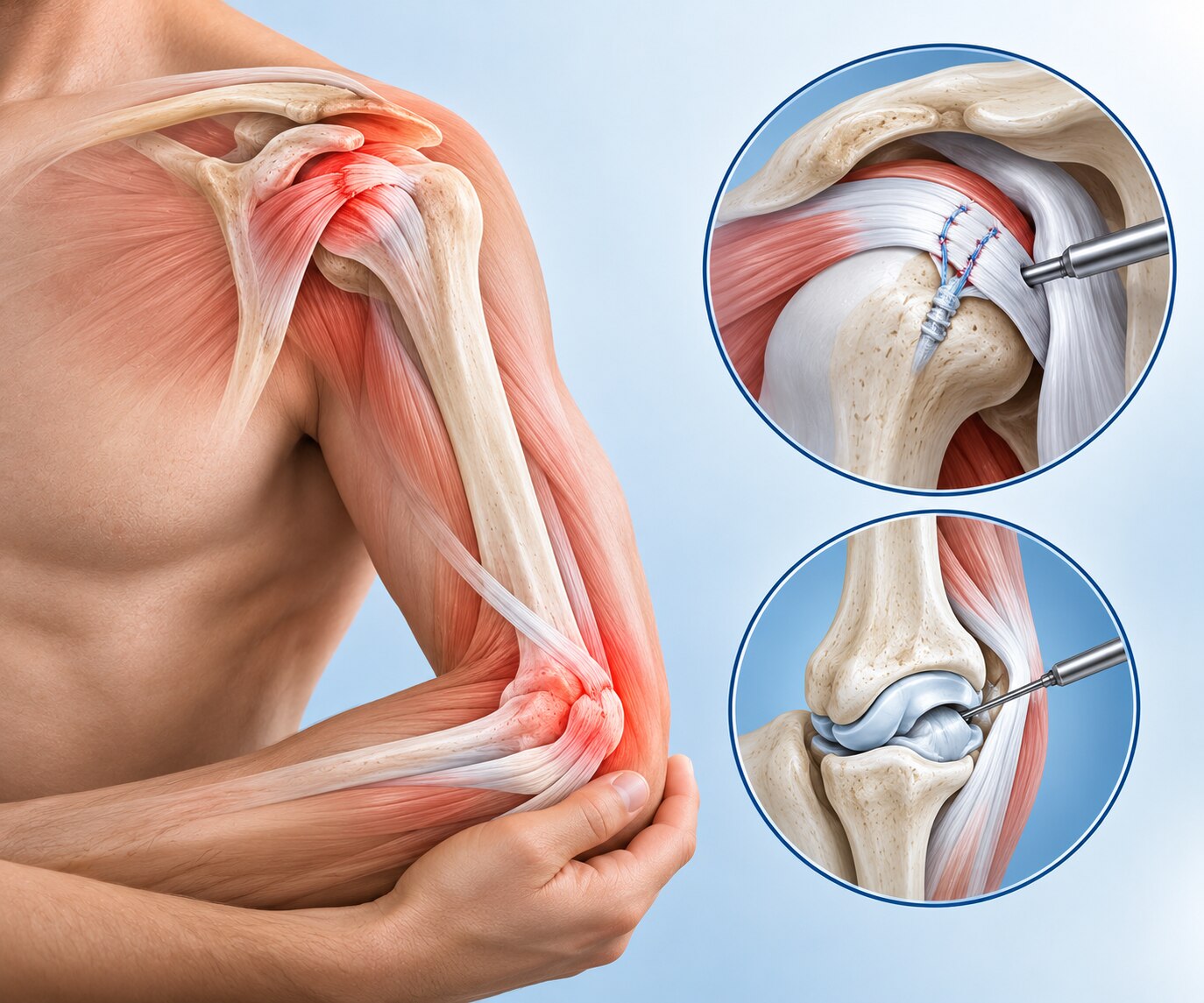
| Shoulder arthroscopy | Uses a camera through small portals for decompression, labral stabilisation, bursitis treatment, or tendon and ligament repair | Selected cuff tears, instability and labral injuries |
| Open surgery | Gives direct access to damaged bone, tendon or joint | Large tears, complex reconstruction or cases unsuitable for portals |
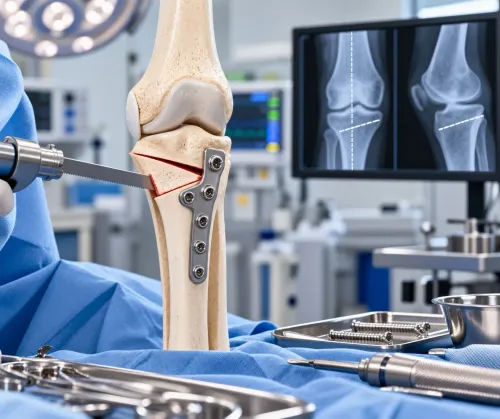
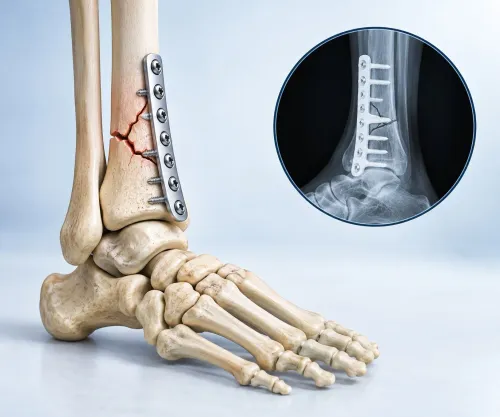
| Fixation | Holds broken bone with plates, screws or other devices | Displaced fractures or fractures entering the joint |
| Elbow arthroscopy | Removes loose bodies, clears inflamed lining, improves stiffness, or treats selected cartilage problems | Carefully selected elbow conditions; nearby nerves and blood vessels require detailed planning |
| Replacement | Replaces or changes the joint’s mechanics | Advanced arthritis, irreparable cuff damage or complex fractures |
Total shoulder replacement replaces the damaged ball and socket when the rotator cuff can still function. Reverse replacement switches the mechanics so the deltoid can lift the arm when the cuff is irreparably damaged or certain complex fractures exist.
General anaesthesia often combines with a regional nerve block. Expect temporary numbness or weakness for several hours; protect the arm from heat, pressure, falls and accidental movement until sensation returns.
What Recovery, Restrictions and Follow-Up Should You Expect?
Discharge usually includes wound-care instructions, prescribed pain relief, a sling or splint, exercises and a contact number. Arrange help for the first day, keep dressings dry as instructed, and do not test the repair because pain has improved.
1. Rotator-cuff repair: Wear a sling for about 4–6 weeks. Early exercises preserve motion without stressing the tendon; strengthening starts later. Useful recovery takes several months, while tendon healing and demanding overhead activity can take 6–12 months.
2. Elbow surgery: Controlled movement often starts early because stiffness develops quickly. Fracture fixation, ligament reconstruction and tendon repair still need protection, so do not force stretching or lift before clearance.
3. Shoulder replacement: Pain often improves substantially, but normal range of motion is not guaranteed. Ask about limits on heavy lifting, repetitive impact, work and sport; replacement does not mean unrestricted use.
4. Decompression or diagnostic arthroscopy usually has fewer restrictions than tendon repair, labral stabilisation or fracture fixation. Follow the operation-specific protocol, not someone else’s recovery timeline.
Attend physiotherapy at the recommended clinic or hospital and confirm who supervises home exercises. Do not drive while using a sling, taking sedating pain medicine or lacking safe control of the vehicle. Plan work around lifting, overhead use and commute demands.
Follow-up checks wound healing, movement and strength; X-rays may monitor an implant or fracture fixation. Contact the surgical team urgently for increasing pain, redness or drainage, fever, new hand numbness or weakness, or a cold, pale or blue hand.
How to Choose Your Surgical Team and Confirm the Plan
Before booking shoulder and elbow surgery in Thane, ask for answers you can repeat in your own words. An MRI finding alone is not a diagnosis or a reason to operate.
- What is the exact diagnosis, and what is the operation meant to achieve?
- What non-operative options remain, including physiotherapy, activity changes, medicines or injections?
- What functional gain is realistic, and what pain, weakness or stiffness may remain?
- What complications are specific to this procedure, and how are they managed?
- Which implant, anchor, screw, plate or other fixation is planned, and why?
- How many of this exact operation does the surgeon perform, and who provides follow-up?
- What restrictions will apply to lifting, movement, driving, work and sport?
- Where will rehabilitation take place, how soon does it start, and who do you contact after discharge?
An elbow surgery specialist in Thane should define whether the goal is stability, nerve decompression, tendon or ligament repair, arthritis pain relief or motion improvement. Ask a shoulder surgeon in Thane the same question about the shoulder’s specific failure, not just the procedure name.
For shoulder and elbow surgery in Thane, compare plans this way:
| Operation | Main goal | Key question |
|---|---|---|
| Repair | Restore damaged tissue | How long must it be protected? |
| Replacement | Reduce joint pain | What loads and sports are allowed? |
| Fixation | Hold a fracture stable | When will healing be checked? |
For diagnosis, alternatives, rehabilitation access and follow-up arrangements, a specialist consultation at The Bone & Joints - Advance Ortho Care 08048067357 can help you compare the plan before booking.
Related service
Shoulder and Elbow Surgery Dr. Vivek V. Shingane is a trusted Orthopaedic and Joint Replacement Surgeon specializing in shoulder and elbow surgery at The Bone & Joints. View service → |
Frequently asked questions
What happens at the first shoulder or elbow surgery consultation?
The doctor reviews when symptoms or injury began, what worsens them and how they have changed. Examination covers strength, movement, stability, sensation and circulation, followed by X-rays, ultrasound, CT or MRI when the findings require imaging.
When does a shoulder or elbow problem need surgery?
Surgery is considered when a specific structural problem causes persistent pain, weakness, instability or loss of function, especially after appropriate non-surgical treatment. Urgent assessment is needed after major injury, deformity, loss of circulation or new numbness and weakness.
How do you know which shoulder or elbow operation is right?
The proposed operation should match the diagnosis, examination findings, scan results, activity needs and previous treatment. Ask the surgeon what tissue will be repaired or replaced, why that procedure is preferred and what alternatives involve.
What should you expect during recovery after shoulder or elbow surgery?
Recovery can include a sling or brace, wound care, pain control, physiotherapy and temporary limits on lifting, driving, work or sport. Before surgery, confirm the restriction period, exercise milestones, warning signs and follow-up schedule.
Keywords