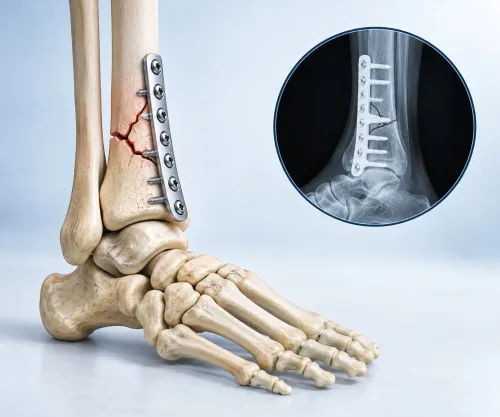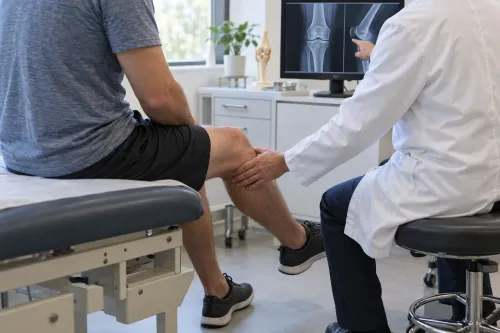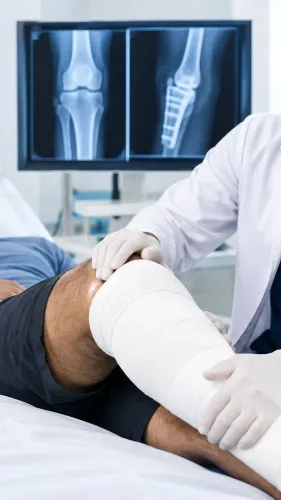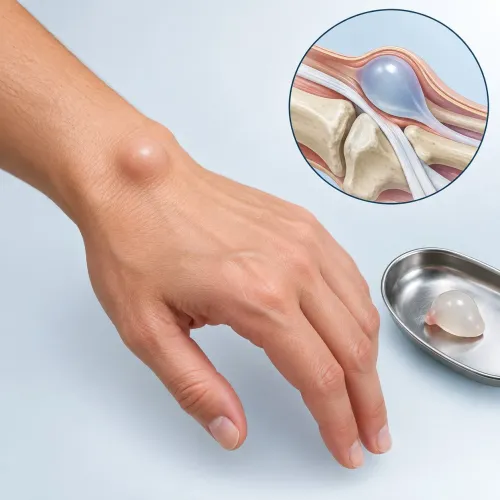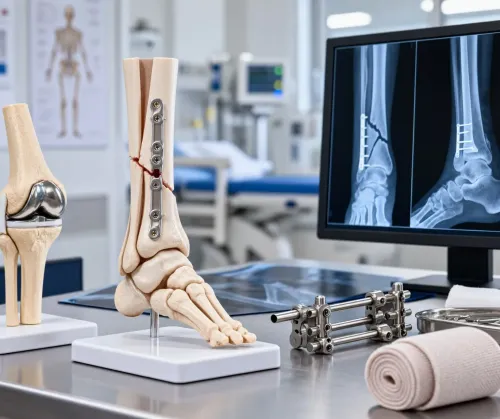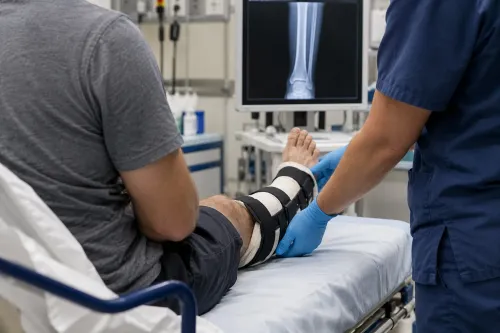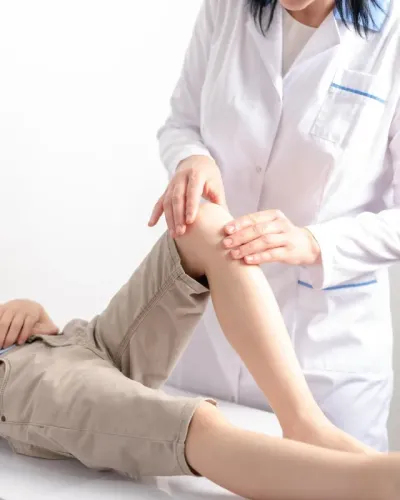
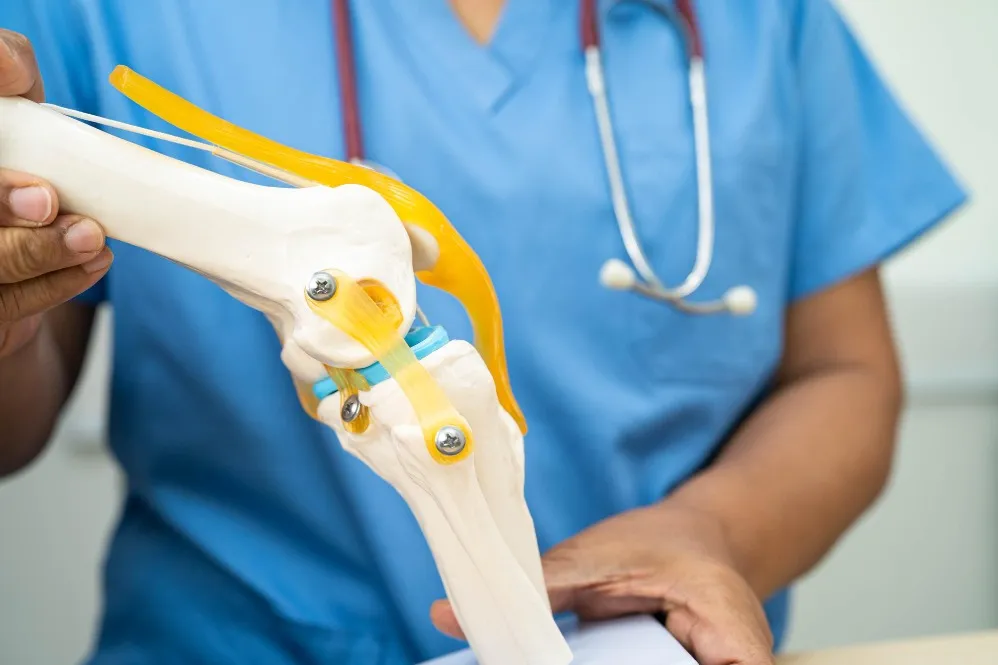
Hearing that a knee or hip has been damaged does not automatically mean the entire joint needs to be replaced. In selected patients, particularly when damage is limited to a specific structure or area, Joint Preservation Surgery may be considered as part of an effort to maintain the person's natural joint.
The important word is “selected.” Preservation procedures are not suitable for every type or stage of joint disease.
What Does Joint Preservation Mean?
Joint preservation is an umbrella term covering treatments intended to maintain as much healthy natural joint tissue and function as reasonably possible.
The appropriate procedure depends on the underlying problem. Factors such as cartilage condition, bone alignment, ligament stability, age, activity level and the extent of arthritis can influence treatment planning.
This makes accurate diagnosis particularly important.
Who Might Be Evaluated for Preservation?
A relatively active patient with localised damage may have very different treatment needs from an older patient with widespread advanced arthritis.
An orthopaedic surgeon may assess:
- Whether damage is localised or widespread
- Joint alignment
- Cartilage condition
- Ligament stability
- Previous injuries
- Range of movement
- Activity expectations
- Age and overall health
Imaging may be used alongside clinical examination to understand the structural problem.
Preservation and Replacement Solve Different Problems
A common misunderstanding is that preservation surgery is simply a smaller version of joint replacement.
It is not.
Joint replacement removes and resurfaces severely damaged parts of a joint using prosthetic components. Preservation procedures, by contrast, aim to address selected problems while retaining the natural joint.
That distinction also means preservation is not automatically the better choice simply because less joint tissue may be replaced or removed. If arthritis is extensive, a preservation procedure may not appropriately address the underlying disease.
Why Timing Can Matter
Certain joint problems can progress when mechanical abnormalities, instability or structural damage remain untreated.
Early assessment can therefore be useful for people experiencing persistent symptoms after an injury or recurring joint pain during activity. This does not mean early surgery is always necessary. Rather, identifying the cause sooner creates an opportunity to consider the full range of appropriate treatment options.
At The Bone and Joints - Advance Ortho Care, Dr. Darshan Shingane, patients in Thane can undergo orthopaedic evaluation to understand whether their condition may be managed conservatively, requires a preservation strategy or has progressed to a stage where another surgical approach needs consideration.
What Should Patients Ask?
Anyone discussing Joint Preservation Surgery should understand the objective of the proposed procedure.
Questions worth raising include:
- What part of my joint is damaged?
- Is the damage localised?
- What happens if I continue conservative treatment?
- What is the goal of the proposed operation?
- What rehabilitation will be required?
- Are there activity restrictions?
- Could joint replacement still become necessary later?
These questions help distinguish realistic treatment goals from assumptions.
The Bigger Picture for Active Patients
Thane has a broad patient population ranging from younger working adults and recreational athletes to elderly people managing degenerative joint conditions. Their expectations and functional requirements can differ considerably.
A treatment that suits someone hoping to return to recreational sport may not be the same as the approach selected for someone with advanced arthritis affecting basic mobility.
That is why preservation decisions need to be individualised.
Joint Preservation Surgery can have a meaningful role when the joint condition, stage of damage and patient profile make preservation feasible. The starting point is not choosing a procedure from a list; it is identifying precisely what is wrong with the joint and determining which treatment best matches that problem.
Keywords