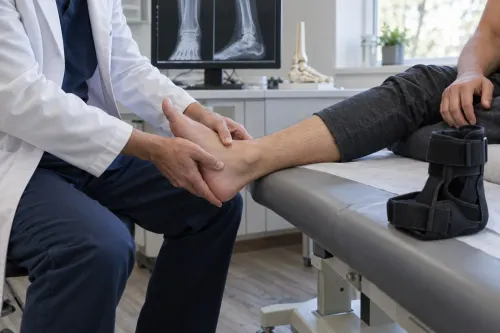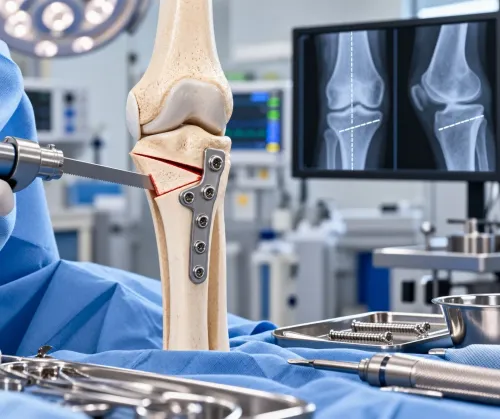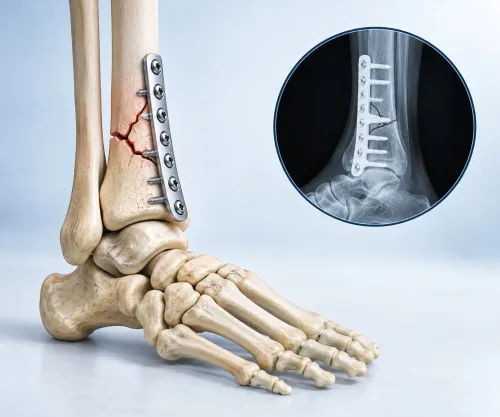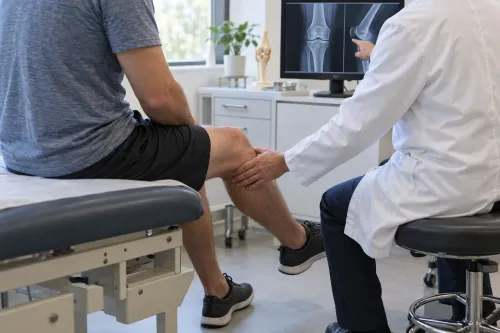
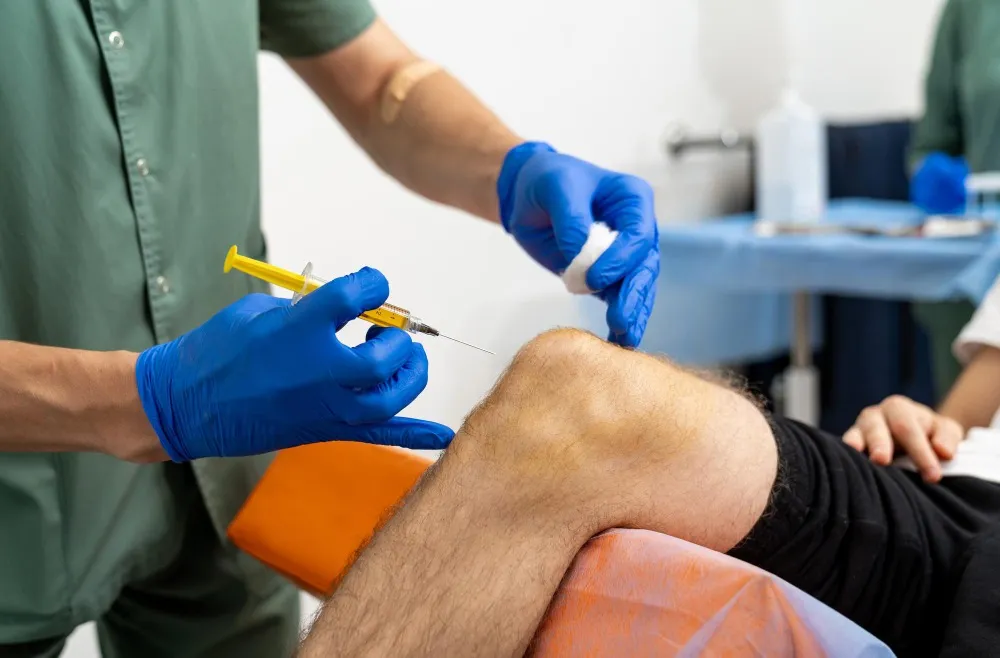
Joint pain can affect people at different stages of life. While age-related arthritis is a common cause, sports injuries, repetitive strain, tendon disorders, and cartilage wear can also lead to persistent discomfort. Many patients look for treatment options that relieve pain without immediately considering surgery. One approach that has gained attention in orthopedic care is PRP Therapy for Joint Pain.
Platelet-Rich Plasma (PRP) therapy is a regenerative treatment that uses components from a patient's own blood to support the body's natural healing processes. Although it is not suitable for every orthopedic condition, it may be recommended for carefully selected patients after a detailed clinical evaluation.
What Is PRP Therapy?
Platelet-Rich Plasma is prepared by drawing a small amount of the patient's blood and processing it to concentrate platelets. These platelets contain natural growth factors that play an important role in tissue repair and healing.
Once prepared, the concentrated plasma is injected into the affected joint, tendon, or ligament under appropriate medical guidance. The objective is to encourage the body's own healing response rather than simply masking pain.
Because PRP uses the patient's own blood, the treatment avoids the use of donor materials and is generally considered a minimally invasive procedure.
Which Conditions May Be Treated with PRP?
PRP Therapy is not a universal solution for every type of joint pain. Orthopedic specialists determine suitability based on the diagnosis, severity of the condition, and the patient's overall health.
It may be considered for conditions such as:
- Early-stage osteoarthritis
- Mild to moderate knee joint degeneration
- Tennis elbow
- Golfer's elbow
- Chronic tendon injuries
- Ligament injuries
- Rotator cuff tendinopathy
- Plantar fasciitis
- Certain sports-related soft tissue injuries
Patients with advanced arthritis involving significant joint destruction may require different treatment approaches.
How Does the Procedure Work?
The procedure is usually completed on an outpatient basis and involves several steps.
- A small sample of blood is collected.
- The blood is processed in a centrifuge to separate platelet-rich plasma.
- The affected area is examined and prepared.
- The PRP is injected into the target area, sometimes with imaging guidance for improved accuracy.
- Patients receive instructions regarding activity modification and rehabilitation.
The procedure itself is relatively short, although individual treatment protocols vary depending on the condition being treated.
What Are the Potential Benefits?
PRP therapy is intended to support tissue healing rather than provide an instant cure. Some patients experience gradual improvement over several weeks as the body's repair mechanisms respond.
Potential advantages include:
- Minimally invasive treatment
- Uses the patient's own blood
- May reduce joint discomfort
- Supports natural healing processes
- Can improve function in selected cases
- Usually performed without hospital admission
- May delay the need for more invasive procedures in appropriate patients
The response varies between individuals, and results depend on factors such as the severity of the condition and adherence to rehabilitation.
Who Is a Good Candidate?
A detailed orthopedic assessment helps determine whether PRP Therapy is appropriate.
Suitable candidates often include:
- Individuals with early joint degeneration
- Patients with chronic tendon injuries
- Sports persons recovering from ligament injuries
- Adults who have not achieved sufficient improvement with physiotherapy alone
- Patients looking for minimally invasive treatment options
PRP is not recommended solely based on symptoms. Proper diagnosis remains essential before deciding on treatment.
What Happens After PRP Treatment?
Recovery following PRP Therapy is generally straightforward, but following medical advice is important.
Patients may be advised to:
- Avoid strenuous activities for a short period
- Participate in physiotherapy if recommended
- Gradually return to exercise
- Attend follow-up appointments
- Follow rehabilitation instructions carefully
Improvement is usually gradual rather than immediate, as the treatment works by supporting natural healing mechanisms.
Common Questions About PRP Therapy
Is PRP painful?
Some patients experience mild discomfort during or shortly after the injection, but this usually settles within a few days.
Can PRP replace surgery?
Not always. PRP may be beneficial for certain early or moderate conditions, but advanced joint damage or severe structural problems may still require surgical treatment.
How many injections are needed?
The number depends on the condition being treated, the patient's response, and the specialist's treatment plan.
Expert Evaluation Makes the Difference
Choosing the right treatment begins with an accurate diagnosis rather than selecting a procedure based on internet searches alone. Patients in Thane, Maharashtra, benefit from consulting orthopedic specialists who evaluate the root cause of joint pain before recommending regenerative therapies.
At The Bone and Joints - Advance Ortho Care, Dr. Vivek V. Shingane, PRP Therapy for Joint Pain is considered as part of a comprehensive orthopedic treatment plan when clinically appropriate. Every patient undergoes detailed evaluation to determine whether regenerative treatment, rehabilitation, or another intervention is likely to provide the best outcome. More information about orthopedic services and available treatment options can be found at drvivekshingane.com.
PRP Therapy for Joint Pain continues to be an important option in modern orthopedic care for selected patients. When combined with proper diagnosis, rehabilitation, and lifestyle modifications, it may help improve joint function, support tissue healing, and enable individuals to remain active while delaying or avoiding more invasive procedures where appropriate.
Keywords