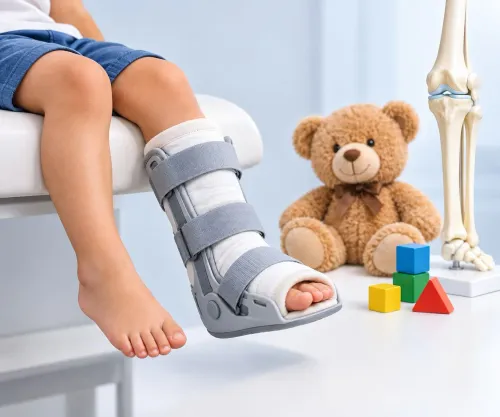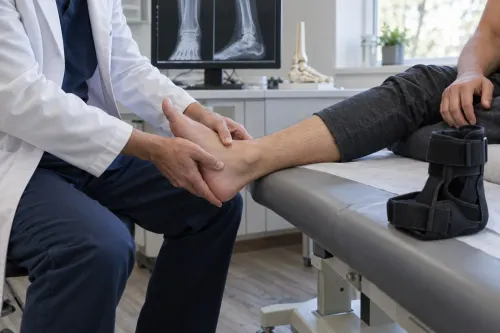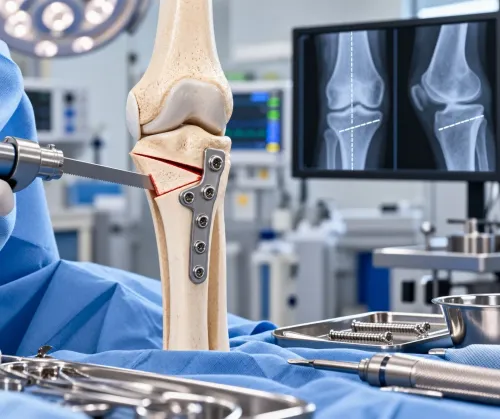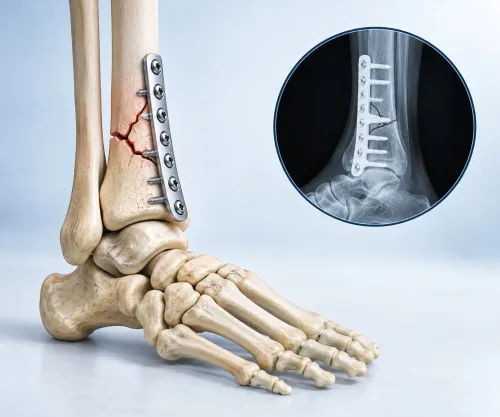
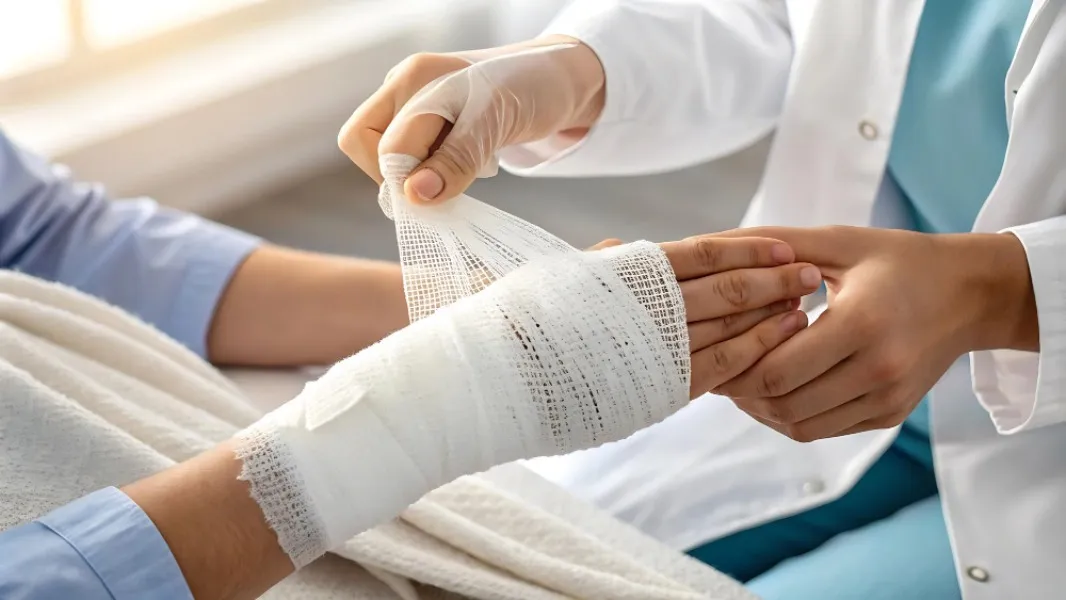
A fracture can happen suddenly and without warning. It may result from a road accident, a fall at home, a sports injury, or even a minor slip in older adults with weakened bones. While some fractures are simple and heal with a cast or splint, others require specialized orthopedic care to restore normal bone alignment and function. Understanding the importance of Fracture Treatment and Orthopedic Surgery helps patients make informed decisions and reduces the risk of long-term complications.
Bones have a remarkable ability to heal naturally, but successful healing depends on several factors, including the type of fracture, its location, the patient's age, overall health, and how quickly appropriate treatment begins. Delaying medical attention or attempting self-treatment can sometimes lead to improper healing, chronic pain, or reduced mobility.
What Is a Fracture?
A fracture is a break or crack in a bone. The severity can range from a tiny hairline crack to a complex injury involving multiple bone fragments and surrounding soft tissues.
Fractures are commonly classified as:
- Simple (closed) fractures, where the skin remains intact
- Open fractures, where the broken bone pierces the skin
- Displaced fractures, where bone fragments move out of alignment
- Non-displaced fractures, where the bone remains properly aligned
- Stress fractures, caused by repetitive overuse
- Comminuted fractures, where the bone breaks into several pieces
Each type requires a different treatment approach, making accurate diagnosis essential.
Common Causes of Bone Fractures
Fractures can affect people of every age group, although the causes often differ.
Some of the most common reasons include:
- Road traffic accidents
- Falls from height
- Sports injuries
- Workplace accidents
- Osteoporosis-related falls
- Direct impact during physical activities
- Repetitive stress on weight-bearing bones
Older adults are particularly vulnerable because reduced bone density increases the likelihood of fractures after even minor falls.
Symptoms That Need Immediate Medical Attention
Some fractures are obvious, while others may initially appear similar to a severe sprain.
You should seek orthopedic evaluation if you notice:
- Severe pain after an injury
- Swelling around the affected area
- Visible deformity
- Difficulty moving the injured limb
- Inability to bear weight
- Bruising that worsens rapidly
- Numbness or tingling below the injury
- Bone protruding through the skin
Prompt treatment improves the chances of proper healing and reduces complications.
How Are Fractures Diagnosed?
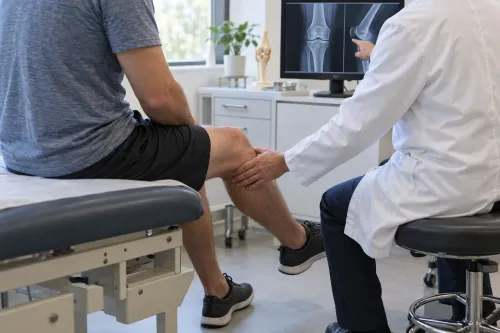
Orthopedic specialists combine clinical examination with imaging studies to understand the injury completely.
Diagnosis may include:
- Physical examination
- Digital X-rays
- CT scan for complex fractures
- MRI when soft tissue injuries are suspected
The results help determine whether the fracture can heal without surgery or requires orthopedic intervention.
When Is Orthopedic Surgery Required?
Many fractures heal successfully with casts, splints, or braces. However, surgery may be recommended when:
- Bone fragments are significantly displaced
- The fracture involves a joint surface
- Multiple fractures are present
- The bone is unstable
- Open fractures require urgent management
- Conservative treatment is unlikely to provide proper alignment
- Previous fracture healing has failed
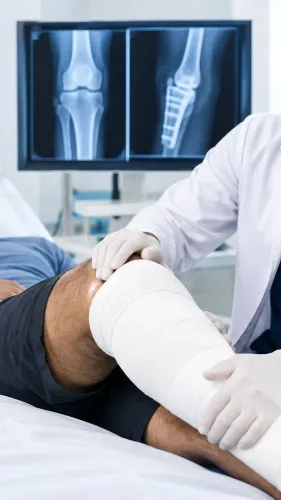
Orthopedic surgery aims to restore the normal position of the bone using specialized implants such as plates, screws, rods, or pins when necessary.
Recovery After Fracture Treatment
Healing begins immediately after the bone is stabilized, but complete recovery takes time.
Recovery generally includes:
- Immobilization during the early healing phase.
- Regular follow-up imaging to monitor bone healing.
- Physiotherapy to restore strength and movement.
- Gradual return to daily activities.
- Lifestyle guidance to reduce future injury risk.
Recovery varies depending on the patient's age, fracture type, nutritional status, and commitment to rehabilitation.
Supporting Bone Healing
Patients can actively contribute to better recovery by following medical advice and maintaining healthy habits.
Helpful measures include:
- Eating a balanced diet rich in calcium and protein
- Maintaining adequate Vitamin D levels
- Avoiding smoking and excessive alcohol
- Performing prescribed rehabilitation exercises
- Protecting the injured limb during healing
- Attending scheduled follow-up appointments
These steps support stronger bone healing and improved long-term function.
Why Early Orthopedic Care Makes a Difference
Accurate diagnosis and timely treatment help reduce the risk of complications such as bone deformity, delayed healing, stiffness, chronic pain, or reduced joint movement. Receiving specialized orthopedic care early also helps patients understand the most appropriate treatment options based on the nature of the injury.
For individuals in Thane, Maharashtra, access to comprehensive fracture care allows both simple and complex injuries to be managed using evidence-based treatment plans tailored to the patient's condition.
At The Bone and Joints - Advance Ortho Care, Dr. Vivek V. Shingane, fracture management begins with a detailed clinical assessment and imaging to determine the most suitable course of treatment. Whether a fracture requires conservative management or orthopedic surgery, the emphasis is on restoring alignment, promoting safe healing, and supporting rehabilitation for the best possible functional recovery. More information about available orthopedic services can be found at drvivekshingane.com.
Fractures should never be ignored, even if the pain appears manageable. Early diagnosis, appropriate stabilization, and guided rehabilitation play a vital role in restoring mobility and helping patients safely return to their normal daily activities.
Keywords