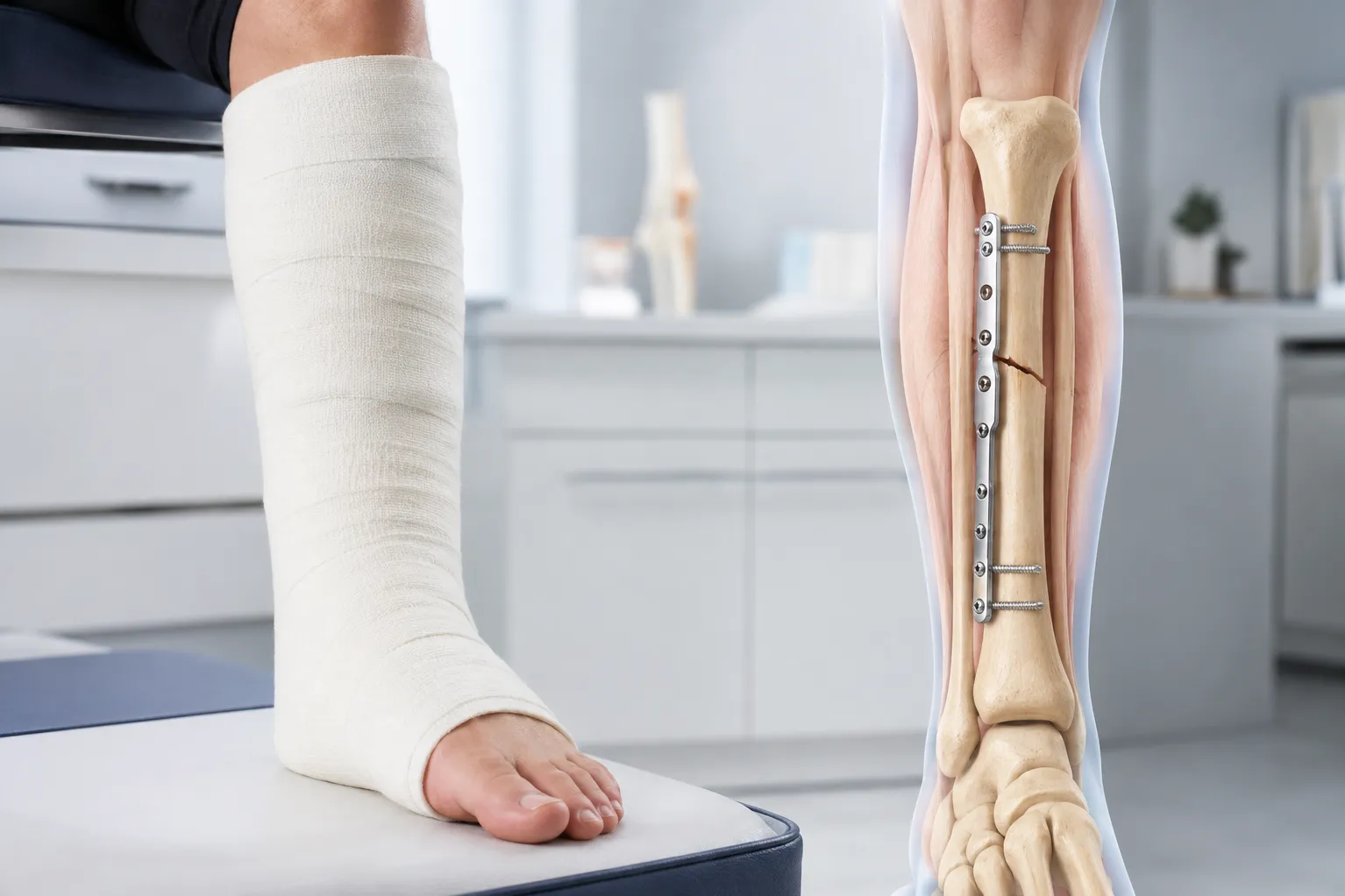
A fracture can happen during a road accident, sports activity, fall at home or relatively minor trauma in people with weaker bones. One of the first questions patients and families often ask is whether an operation will be required. In many cases, Fracture Conservative Treatment can be appropriate, while other fractures need surgical stabilisation.
The decision is based on the fracture pattern rather than a simple rule that every broken bone needs surgery.
What Is Conservative Fracture Management?
Conservative management refers to treating a fracture without an operation.
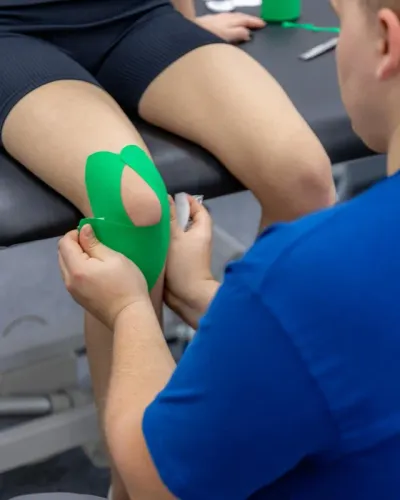
Depending on the injury, treatment may involve a splint, cast, brace, activity restrictions and scheduled follow-up. Pain management and rehabilitation may also form part of care.
The purpose is to maintain suitable conditions for the bone to heal while protecting the injured area.
Which Factors Influence the Decision?
An orthopaedic surgeon considers several features before recommending treatment.
These can include:
- Which bone is fractured
- Whether the fracture is displaced
- Stability of the fracture
- Joint involvement
- Condition of surrounding skin and soft tissue
- Nerve or blood-vessel concerns
- Patient age
- Bone quality
- Functional requirements
- Associated injuries
Two fractures involving the same bone can therefore require completely different approaches.
Why Follow-Up Is Important During Conservative Care
Choosing Fracture Conservative Treatment does not mean putting on a cast and simply waiting several weeks.
Some fractures can change position during the healing period. Follow-up examinations and imaging may therefore be required to assess alignment and healing.
Patients should also follow instructions regarding weight bearing. Putting full weight on an injured limb before it is considered safe can create avoidable problems.
When Surgery May Become More Appropriate
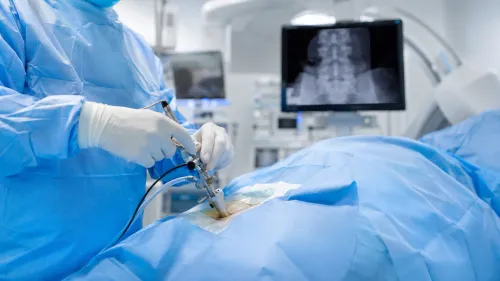
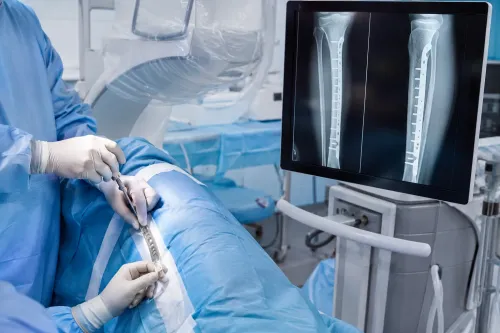
Surgical management may be considered when a fracture is unstable, significantly displaced, involves a joint in a way that requires restoration, or cannot be adequately maintained through conservative methods.
Open fractures and injuries involving other important structures may require more urgent intervention.
The exact indication depends on the injury and clinical circumstances.
At The Bone and Joints - Advance Ortho Care, Dr. Darshan Shingane in Thane, fracture evaluation can include assessment of injury mechanism, examination findings and appropriate imaging before deciding between non-operative and operative management.
Do Not Ignore Increasing Symptoms
During fracture recovery, patients should understand which symptoms require prompt reassessment.
Increasing pain, excessive swelling, unusual numbness, colour changes in fingers or toes, fever, wound concerns or a cast that feels excessively tight should not simply be ignored.
Instructions can vary according to the fracture, so patients should follow the specific guidance given for their injury.
Returning to Normal Activity
A bone appearing healed on an X-ray is only one part of recovery.
After immobilisation, stiffness and muscle weakness are common. Rehabilitation may therefore focus on restoring joint movement, muscle strength, balance and functional use of the affected limb.
Return to work or sport depends on the location and severity of the fracture as well as healing progress.
For people in Thane and surrounding Maharashtra communities, timely assessment after an injury helps establish whether a fracture is suitable for conservative management or requires another approach.
Fracture Conservative Treatment can be effective for appropriately selected fractures, but successful management depends on correct diagnosis, adequate immobilisation where required, monitoring and a carefully planned return to activity.
Keywords