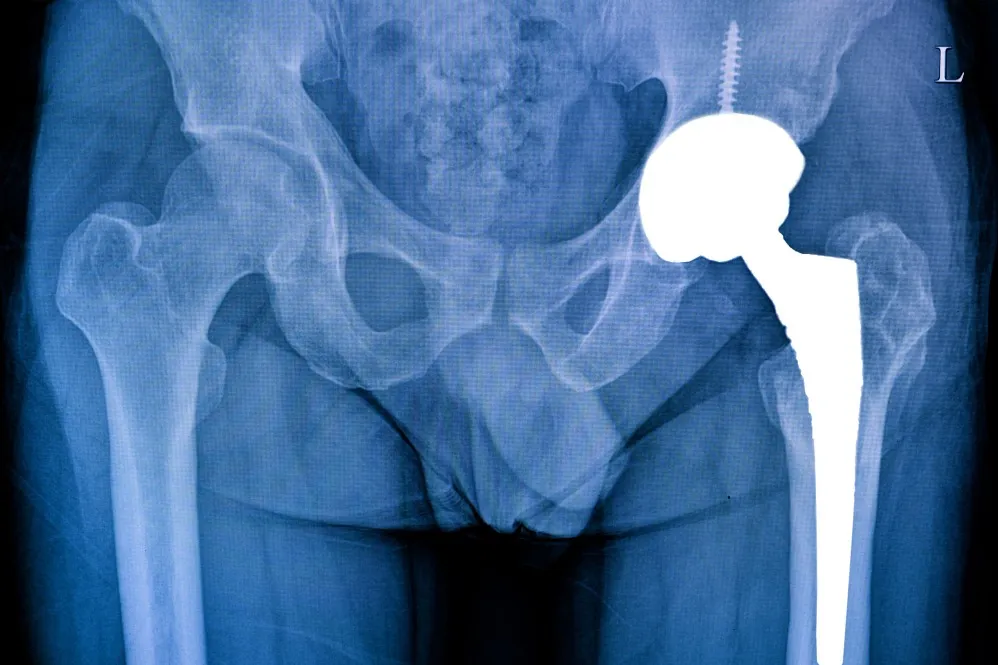
Hip pain can significantly affect mobility, independence, and overall quality of life. Everyday activities such as walking, sitting, climbing stairs, or even getting in and out of a vehicle may become challenging when the hip joint is damaged. While many hip conditions can be managed with medications, physiotherapy, lifestyle modifications, and minimally invasive treatments, some individuals may eventually require Total Hip Replacement (THR) to restore comfort and movement.
Selecting the right Total Hip Replacement (THR) Specialist is an important step in this journey. Beyond performing surgery, an experienced orthopedic specialist carefully evaluates each patient's condition, explains treatment options, and develops a personalized care plan based on individual needs.
What Is Total Hip Replacement?
Total Hip Replacement is a surgical procedure that replaces the damaged portions of the hip joint with artificial components designed to replicate the joint's natural movement. The procedure is commonly recommended when the hip joint has suffered significant wear or damage, making daily activities painful despite conservative treatment.
The surgery aims to:
- Relieve chronic hip pain
- Improve joint mobility
- Restore stability
- Enhance walking ability
- Support an active and independent lifestyle
Modern implants and surgical techniques continue to improve outcomes for appropriately selected patients.
Conditions That May Lead to Hip Replacement
Several orthopedic conditions can gradually damage the hip joint over time. An orthopedic specialist evaluates the severity of symptoms along with imaging findings before recommending surgery.
Common conditions include:
- Advanced osteoarthritis
- Rheumatoid arthritis
- Avascular necrosis of the hip
- Hip fractures with severe joint damage
- Post-traumatic arthritis
- Congenital hip disorders in adults
- Degenerative joint disease associated with aging
Not every patient with these conditions requires surgery immediately. Treatment recommendations depend on pain severity, mobility limitations, and response to non-surgical care.
Signs You Should Consult a THR Specialist
Persistent hip discomfort should not be ignored, especially when it begins affecting routine life. Consider seeking an orthopedic evaluation if you experience:
- Hip pain while walking or standing
- Difficulty climbing stairs
- Pain that continues even during rest
- Limited range of motion
- Stiffness after prolonged sitting
- Difficulty wearing shoes or bending comfortably
- Reduced participation in work or recreational activities
Early evaluation allows the specialist to recommend the most appropriate treatment before symptoms become more disabling.
What to Expect During Your Consultation
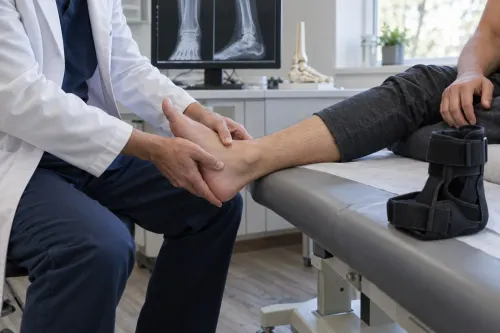
A consultation with a Total Hip Replacement Specialist involves much more than discussing surgery. The objective is to understand the underlying cause of hip pain and determine the best treatment plan.
The assessment generally includes:
- Detailed medical history
- Physical examination
- X-rays or other imaging studies
- Assessment of walking pattern and joint function
- Review of previous treatments
- Discussion about activity level and lifestyle goals
Based on these findings, the specialist may recommend conservative management or discuss whether hip replacement is appropriate.
Factors to Consider When Choosing a Specialist
Patients often focus only on the surgery itself, but several factors contribute to successful treatment.
Look for a specialist who offers:
- Comprehensive orthopedic evaluation
- Experience in treating complex hip conditions
- Access to modern surgical techniques
- Personalized treatment planning
- Clear communication about risks and expectations
- Structured rehabilitation guidance
- Long-term follow-up care
A patient-centred approach helps individuals feel informed and confident throughout the treatment process.
Recovery After Hip Replacement
Recovery begins soon after surgery with supervised movement and rehabilitation. Physiotherapy plays a crucial role in restoring strength, flexibility, and balance.
Patients are generally encouraged to:
- Follow prescribed exercise programs
- Maintain recommended precautions
- Attend regular follow-up appointments
- Gradually increase walking distance
- Use mobility aids as advised during recovery
Healing times vary depending on age, general health, muscle strength, and commitment to rehabilitation. Most improvements occur gradually over several weeks and months.
Benefits of Timely Treatment
Delaying treatment despite severe symptoms can sometimes lead to worsening mobility and reduced muscle strength. Seeking timely orthopedic evaluation allows patients to understand all available treatment options before joint damage progresses further.
Appropriately indicated Total Hip Replacement may help improve:
- Daily mobility
- Walking comfort
- Joint stability
- Sleep quality
- Independence in routine activities
- Overall quality of life
The outcome depends on careful patient selection, surgical expertise, rehabilitation, and long-term joint care.
Orthopedic Care Close to Home
People living in Thane, Maharashtra, often prefer receiving orthopedic care closer to home, making follow-up visits and rehabilitation more convenient. Access to experienced specialists and advanced treatment facilities can support continuity of care throughout recovery.
The Bone and Joints - Advance Ortho Care, Dr. Vivek V. Shingane evaluates patients with hip pain through detailed clinical assessment and individualized treatment planning. Whether conservative treatment or Total Hip Replacement is appropriate depends on each patient's specific condition. Additional information about available orthopedic services and treatment approaches can be found at drvivekshingane.com.
Choosing the right Total Hip Replacement (THR) Specialist involves more than selecting a surgeon it means partnering with a healthcare professional who emphasizes accurate diagnosis, evidence-based treatment, and comprehensive postoperative care. For individuals experiencing persistent hip pain that limits everyday life, an orthopedic consultation can provide clarity and help determine the most suitable path toward improved mobility and long-term joint health.
Keywords