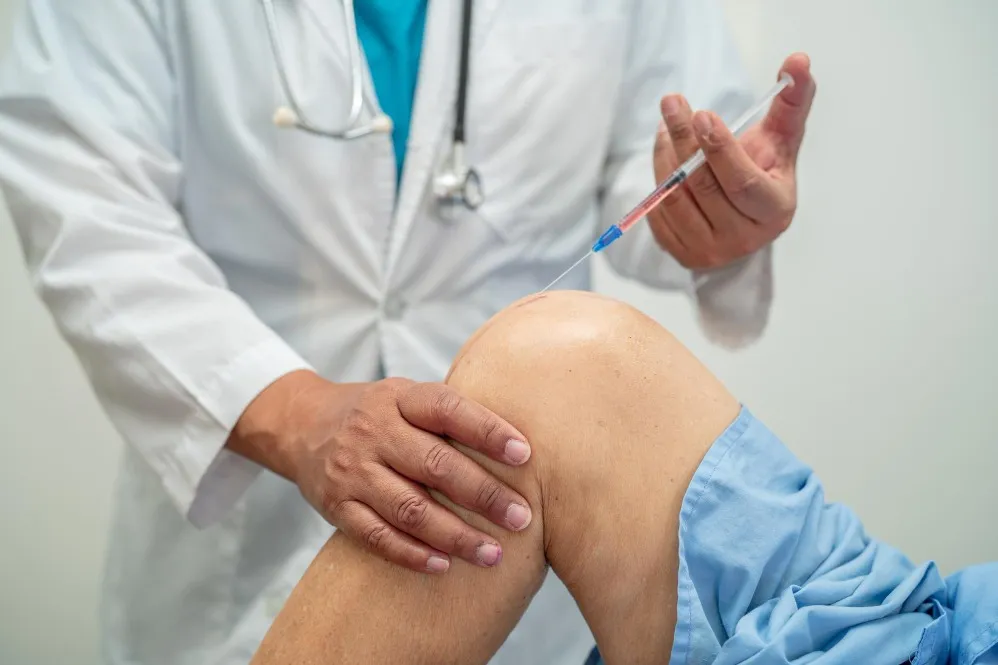
Joint pain is often associated with aging, but it can affect adults of all ages due to injuries, arthritis, repetitive strain, obesity, or lifestyle factors. Many people worry that persistent knee, hip, or shoulder pain will inevitably lead to joint replacement surgery. Fortunately, that is not always the case. In many situations, Joint Preservation Treatment focuses on protecting the natural joint, reducing pain, and maintaining mobility before surgery becomes necessary.
The goal of joint preservation is simple: keep the natural joint healthy for as long as possible. Early diagnosis and timely treatment can often slow disease progression, improve function, and help patients continue their daily activities with greater comfort.
What Is Joint Preservation Treatment?
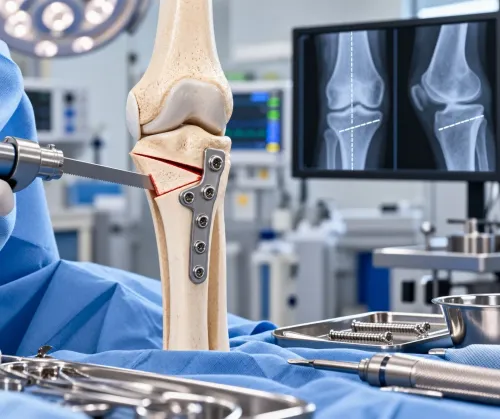
Joint Preservation Treatment refers to a combination of non-surgical and minimally invasive approaches designed to delay or prevent joint replacement whenever appropriate. Rather than replacing the damaged joint, these treatments aim to reduce inflammation, improve joint mechanics, strengthen surrounding muscles, and preserve healthy cartilage.
The treatment plan depends on several factors, including:
- The underlying cause of joint pain
- The severity of cartilage damage
- Age and activity level
- Overall health
- Lifestyle and occupational demands
Every patient requires an individualized assessment before deciding on the most suitable approach.
Who Can Benefit from Joint Preservation?
Joint preservation is often recommended for individuals whose joint damage has not reached an advanced stage. It may be particularly helpful for:
- Adults with early osteoarthritis
- Active individuals with cartilage injuries
- People recovering from sports injuries
- Patients experiencing persistent knee or hip pain
- Individuals with joint instability
- Younger patients who wish to maintain their natural joints for as long as possible
Seeking treatment early usually provides more options than waiting until joint damage becomes severe.
Common Joint Preservation Approaches
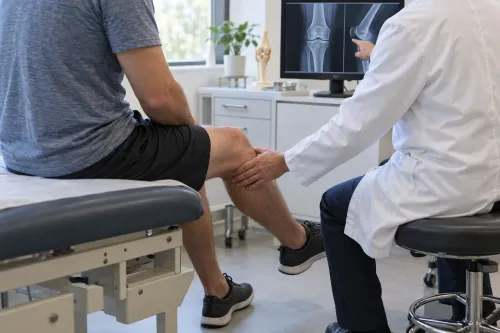
Treatment is selected after a detailed orthopedic evaluation. Depending on the diagnosis, one or more of the following may be recommended:
Physiotherapy
A structured rehabilitation program strengthens muscles around the joint, improves flexibility, and enhances stability. Strong supporting muscles reduce stress on the affected joint during everyday movement.
Activity Modification
Simple changes such as avoiding repetitive impact activities, improving posture, or modifying exercise routines may reduce joint stress while allowing patients to remain active.
Weight Management
For weight-bearing joints like the knees and hips, maintaining a healthy weight reduces pressure on the cartilage and may help slow further degeneration.
Medications
Depending on symptoms, medication may help control pain and inflammation, allowing patients to participate more effectively in rehabilitation programs.
Injection-Based Treatments
Certain patients may benefit from carefully selected injection therapies that help reduce pain and improve function. These options are considered after evaluating the individual's condition and treatment goals.
Why Early Diagnosis Matters
One of the biggest mistakes patients make is ignoring joint pain until movement becomes severely restricted. Mild discomfort may gradually progress to cartilage loss if left untreated.
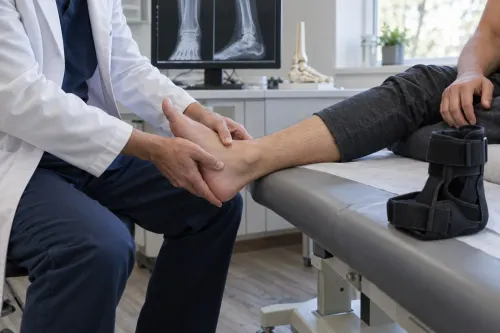
Early orthopedic evaluation can identify:
- Cartilage wear
- Ligament injuries
- Meniscus damage
- Early arthritis
- Joint instability
- Alignment problems
Detecting these issues sooner often creates opportunities for less invasive treatment before surgery becomes necessary.
Can Joint Preservation Eliminate the Need for Surgery?
Joint preservation does not guarantee that surgery can always be avoided. However, for many patients, it can successfully delay surgical intervention while maintaining an active lifestyle.
The effectiveness depends on factors such as:
- Stage of joint disease
- Patient age
- Physical activity level
- Commitment to physiotherapy
- Weight management
- Following medical advice consistently
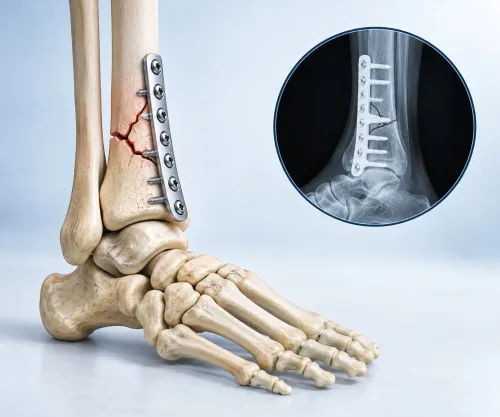
When conservative treatment no longer provides adequate relief and imaging confirms advanced joint damage, joint replacement may eventually become the better long-term solution.
Everyday Habits That Support Healthy Joints
Healthy lifestyle choices complement medical treatment and contribute to better joint function over time.
Helpful habits include:
- Exercise regularly with low-impact activities.
- Maintain a healthy body weight.
- Strengthen muscles around major joints.
- Wear supportive footwear.
- Avoid prolonged inactivity.
- Treat sports injuries promptly.
- Follow rehabilitation programs consistently.
These measures can reduce unnecessary stress on joints and support long-term mobility.
Personalized Orthopedic Care in Thane
People living in Thane, Maharashtra, often seek orthopedic care that emphasizes preserving natural joint function whenever possible. A comprehensive evaluation helps determine whether conservative treatment, minimally invasive procedures, or surgery is the most appropriate option.
At The Bone and Joints - Advance Ortho Care, Dr. Vivek V. Shingane, treatment plans are tailored to each patient's condition, symptoms, and lifestyle goals. The focus is on evidence-based orthopedic care, beginning with accurate diagnosis and exploring joint preservation strategies before recommending surgical intervention whenever clinically appropriate. Additional information about orthopedic services and treatment options is available through drvivekshingane.com.
Joint Preservation Treatment offers hope for many individuals experiencing early or moderate joint problems. By combining timely diagnosis, personalized care, rehabilitation, and healthy lifestyle practices, patients can often maintain mobility, reduce pain, and continue enjoying everyday activities while preserving their natural joints for as long as possible.
Keywords