Joint pain following an injury can be frustrating, particularly when rest and basic treatment have not restored normal movement. When symptoms suggest a problem inside a joint, Arthroscopy Treatment may be considered for selected conditions after appropriate examination and imaging.
Arthroscopy is widely associated with sports injuries, but understanding what it can and cannot treat is important before deciding on a procedure.
What Is Arthroscopy?
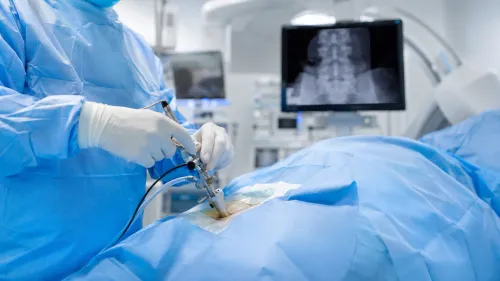
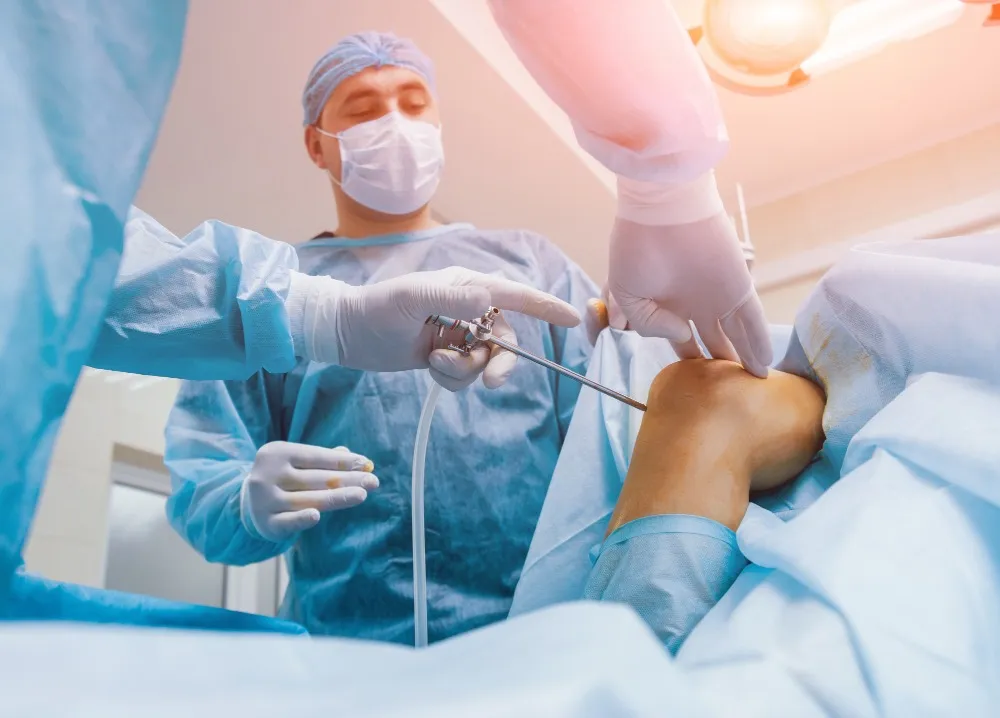
Arthroscopy is a minimally invasive surgical technique in which a small camera is introduced into a joint through a small incision. It allows the surgeon to inspect internal structures and, when appropriate, perform specific surgical procedures through additional small access points.
Knee and shoulder arthroscopy are commonly discussed, although arthroscopic techniques may be used for other joints depending on the condition.
Which Problems May Require Arthroscopic Assessment?
The indication depends on the joint and the exact diagnosis.
In the knee, arthroscopic procedures may be considered for selected meniscal, ligament, cartilage or other intra-articular problems.
In the shoulder, arthroscopic techniques may form part of treatment for certain tendon, instability and other structural conditions.
The presence of pain alone does not establish a need for arthroscopy. Clinical examination and investigations are used to identify whether a structural problem exists and whether surgery is appropriate.
Arthroscopy Is Not a Universal Treatment for Arthritis
This is an important distinction for patients comparing options.
A person with an acute structural injury may have a very different indication for arthroscopy from someone experiencing widespread degenerative arthritis.
Therefore, patients should avoid assuming that a “keyhole procedure” can clean or repair every painful joint. The benefit of an operation depends on treating an appropriate underlying condition.
Questions to Ask Before Arthroscopy
Before proceeding, clarify:
- What structure is believed to be injured?
- What does the imaging show?
- Can the condition reasonably improve without surgery?
- What will be repaired or treated during the procedure?
- How long might rehabilitation take?
- When can work, driving or sport potentially resume?
- What complications need to be considered?
Answers will differ according to the injury and patient.
Rehabilitation Still Matters
Small incisions do not mean there is no recovery period.
If a ligament, tendon or other structure has been repaired, biological healing takes time. Rehabilitation may need to protect the repaired tissue while progressively restoring movement, strength and control.
Returning to strenuous activity too quickly can interfere with recovery. Equally, inappropriate prolonged inactivity may affect mobility and muscle strength. Following the prescribed rehabilitation schedule is therefore important.
Patients in Thane who are evaluating persistent knee or shoulder symptoms can consult The Bone and Joints - Advance Ortho Care, Dr. Darshan Shingane for assessment of whether conservative care, arthroscopy or another orthopaedic approach fits the diagnosis.
Making the Decision Based on Diagnosis
The most useful question is not simply, “Can this be treated through arthroscopy?”
A better question is, “What exactly is causing my symptoms, and which treatment is appropriate for that condition?”
For sports injury patients and other active individuals across Thane and Maharashtra, this distinction can prevent unrealistic expectations about minimally invasive procedures.
Arthroscopy Treatment has an important role in modern orthopaedics for appropriately selected joint problems. Its value comes from using the technique for the right indication, supported by accurate diagnosis, suitable surgical planning and structured rehabilitation.
Keywords