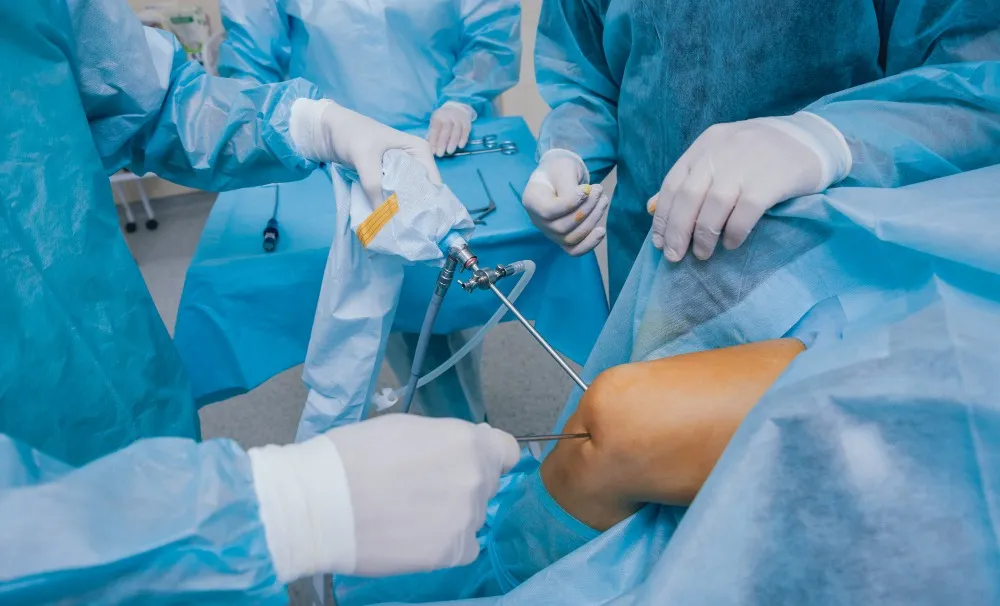
Whether you are a professional athlete, a fitness enthusiast, or someone who enjoys recreational sports, injuries can happen unexpectedly. A sudden twist of the knee, an awkward fall, or repetitive strain during training can damage ligaments, cartilage, tendons, or other joint structures. While many sports injuries improve with rest, physiotherapy, and medication, some require surgical treatment to restore stability and function. In such cases, Arthroscopy Surgery for Sports Injuries offers a minimally invasive approach that helps diagnose and treat joint problems with precision.
Arthroscopy has become an important advancement in orthopedic care because it allows surgeons to treat many joint conditions through small incisions rather than traditional open surgery. This approach often results in less tissue disruption, smaller scars, and a structured recovery process tailored to the patient's injury.
What Is Arthroscopy Surgery?
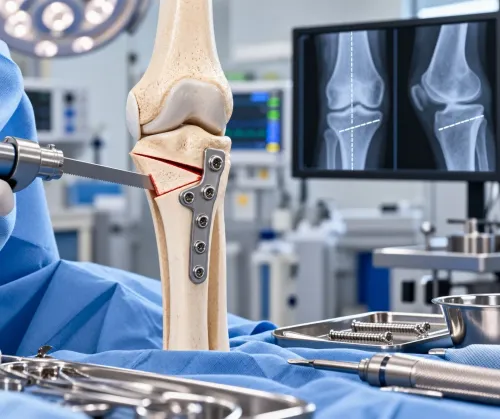
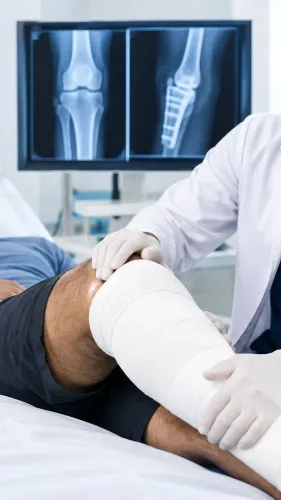
Arthroscopy is a minimally invasive orthopedic procedure performed using a thin instrument called an arthroscope. This device contains a tiny camera that projects detailed images of the inside of the joint onto a monitor, allowing the surgeon to examine the joint in real time.
Through one or more small incisions, specialized instruments can be inserted to repair or remove damaged tissue. Because the procedure provides a clear view of the joint, it allows accurate diagnosis and treatment while minimizing unnecessary damage to surrounding healthy structures.
Arthroscopy is commonly performed on:
- Knee
- Shoulder
- Ankle
- Elbow
- Wrist
- Hip
The type of procedure depends on the location and severity of the injury.
Which Sports Injuries Can Be Treated?
Not every sports injury requires surgery, but arthroscopy may be recommended when conservative treatment fails or when structural damage is identified.
Common conditions include:
- Meniscus tears
- ACL and PCL injuries
- Cartilage damage
- Shoulder labral tears
- Rotator cuff injuries
- Loose bodies inside the joint
- Recurrent shoulder dislocation
- Ankle ligament injuries
- Synovial inflammation
A thorough orthopedic evaluation helps determine whether arthroscopy is the most appropriate treatment option.
Benefits of Arthroscopy Surgery
Compared to traditional open procedures, arthroscopy offers several advantages for suitable patients.
Potential benefits include:
- Smaller surgical incisions
- Reduced damage to surrounding tissues
- Better visualization of the joint
- Less postoperative discomfort in many cases
- Lower risk of wound-related complications
- Shorter hospital stay for many procedures
- Earlier rehabilitation under medical guidance
The exact recovery depends on the type of injury, the repair performed, and the patient's overall health.
When Should You See an Orthopedic Specialist?
Ignoring a sports injury can sometimes lead to long-term joint instability or cartilage damage. It is advisable to seek medical evaluation if you experience:
- Persistent joint pain after an injury
- Swelling that does not improve
- Difficulty bearing weight
- Repeated episodes of the joint giving way
- Locking or catching sensations
- Limited range of motion
- Inability to return to sports after rehabilitation
Early diagnosis can improve treatment options and help prevent further joint damage.
What Happens Before Arthroscopy?
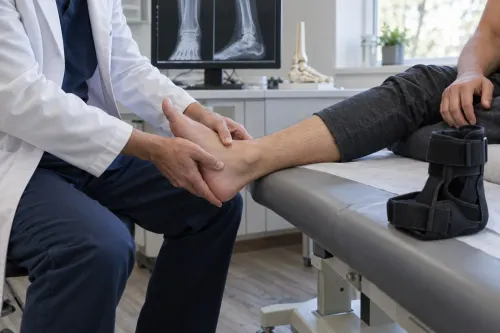
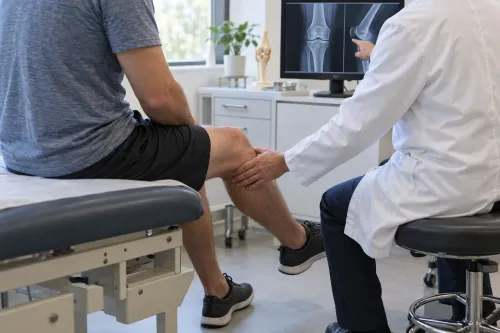
Before recommending surgery, the orthopedic specialist performs a comprehensive assessment that may include:
- Detailed medical history
- Physical examination
- X-rays or MRI scans
- Assessment of joint stability
- Evaluation of previous treatments
- Discussion about sports participation and activity goals
This information helps determine whether surgery is necessary or whether continued conservative treatment is more appropriate.
Recovery and Rehabilitation
Successful recovery depends not only on the surgery but also on a structured rehabilitation program. Physiotherapy is an essential part of regaining strength, flexibility, and joint function.
Recovery usually focuses on:
- Controlling pain and swelling.
- Restoring normal joint movement.
- Improving muscle strength.
- Enhancing balance and coordination.
- Gradually returning to sports or daily activities.
Patients should avoid returning to strenuous physical activity until cleared by their orthopedic specialist, as premature return may increase the risk of reinjury.
Can Arthroscopy Prevent Future Injuries?
While surgery can repair damaged structures, preventing future injuries requires ongoing care. Patients can reduce their risk by:
- Following rehabilitation programs completely
- Performing regular strength training
- Improving flexibility
- Using proper sports techniques
- Wearing appropriate protective equipment
- Allowing adequate recovery between training sessions
Maintaining good joint health is especially important for athletes and physically active individuals.
Comprehensive Orthopedic Care in Thane
Residents of Thane, Maharashtra, who experience sports injuries benefit from timely orthopedic evaluation and individualized treatment planning. Accurate diagnosis helps determine whether rehabilitation alone is sufficient or whether arthroscopy offers the best opportunity for recovery.
At The Bone and Joints - Advance Ortho Care, Dr. Vivek V. Shingane, patients with sports-related joint injuries receive detailed clinical assessment to identify the underlying cause of pain or instability. Treatment recommendations are based on the severity of the injury, functional requirements, and long-term joint health rather than a one-size-fits-all approach. Additional information about orthopedic services and minimally invasive procedures is available through drvivekshingane.com.
Arthroscopy Surgery for Sports Injuries has transformed the way many orthopedic conditions are treated. With smaller incisions, precise diagnosis, and structured rehabilitation, it offers an effective solution for selected patients seeking to restore joint function and safely return to work, exercise, or sports while protecting their long-term mobility.
Keywords