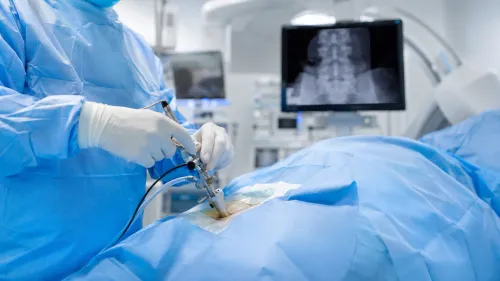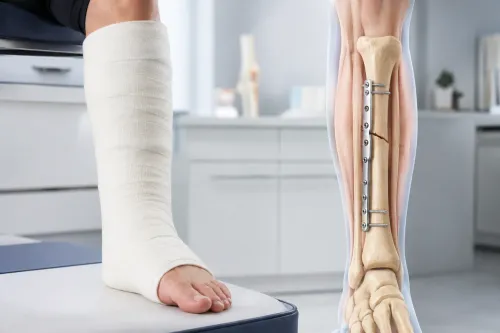
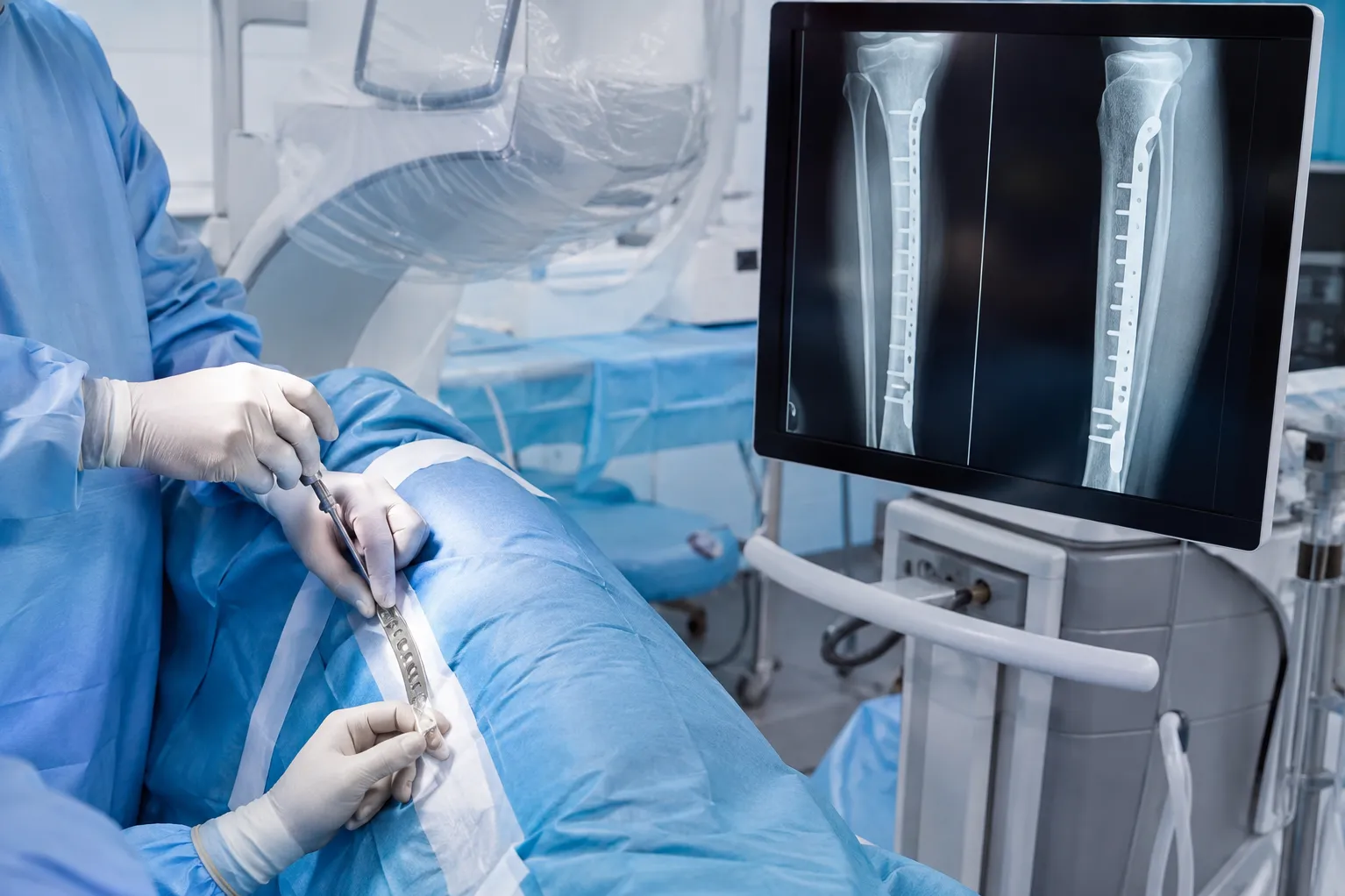
Some fractures remain well aligned and can heal with immobilisation, while others are too unstable or displaced to manage reliably without an operation. Fracture Surgeries are used when surgical stabilisation is considered appropriate for the particular injury.
For trauma patients, understanding why surgery is being recommended can make the treatment process easier to navigate.
Why Are Some Fractures Operated On?
A fracture is not assessed only by whether a bone is broken. Its position, stability and relationship to nearby joints and tissues matter.
Surgery may be considered for selected fractures involving:
- Significant displacement
- Instability
- Joint surfaces
- Multiple bone fragments
- Open wounds
- Failure to maintain suitable alignment
- Certain associated injuries
The objective and urgency vary considerably between injuries.
What Does Fixation Mean?
Fracture fixation refers to stabilising broken bone fragments so they can heal in an appropriate position.
Different implants and techniques may be used depending on the bone and fracture configuration. Plates, screws, nails and other fixation devices each have particular applications.
There is no single implant that is best for every fracture.
Emergency Treatment Comes First
After significant trauma, the visible fracture may not be the only concern.
Doctors may need to assess circulation, nerve function, soft-tissue injury and other trauma before definitive orthopaedic treatment. This is especially relevant after high-energy road accidents or falls.
Some fractures can be treated after swelling or other factors have been addressed, while others require more urgent intervention.
Questions Patients Can Ask
When Fracture Surgeries are recommended, useful questions include:
- Why is surgery preferred for this fracture?
- What type of fixation is proposed?
- Are there associated ligament or soft-tissue injuries?
- When can the limb begin moving?
- When is weight bearing expected?
- Will physiotherapy be necessary?
- What warning signs should be monitored?
- How will healing be followed?
The answers depend on the fracture and the patient's overall health.
Recovery Is More Than Bone Healing
The period after fixation frequently involves wound care, swelling management and gradual rehabilitation.
Joint stiffness and muscle weakness can develop after injury and immobilisation. Physiotherapy may therefore become an important component of functional recovery when clinically appropriate.
Patients should avoid using another person's fracture recovery timeline as their own benchmark. Even apparently similar injuries may have different levels of soft-tissue damage, stability and healing requirements.
For fracture and trauma care in Thane, The Bone and Joints - Advance Ortho Care, Dr. Darshan Shingane can evaluate injuries and discuss whether conservative care or operative fixation is appropriate based on clinical and imaging findings.
Older Patients Need Individual Assessment Too
Falls in elderly patients deserve particular attention because bone quality and existing medical conditions can influence both the fracture and its management.
Treatment planning may need to consider mobility before the injury, medication use, other illnesses and rehabilitation requirements.
This makes multidisciplinary medical planning relevant in some cases.
For residents of Thane and nearby parts of Maharashtra, obtaining an orthopaedic assessment promptly after significant injury can help define the fracture pattern and establish an appropriate management plan.
Fracture Surgeries are not necessary for every broken bone, but they have an important role when restoring and maintaining suitable alignment or stability requires operative treatment. The decision should always be linked to the specific fracture rather than surgery being treated as the default response to an injury.
Keywords