A fall from scaffolding, machine injury, delivery crash, or crush incident can damage bone, nerves, blood vessels and skin at the same time. You will learn what to do before transport, which tests and treatments doctors use, how urgency is determined, and how to plan safe follow-up and return to work.
Key takeaways
- Keep the injured limb still and avoid straightening or pushing exposed bone.
- X-rays confirm most fractures; CT or MRI helps assess complex injuries.
- Treatment may involve a cast, reduction, or surgery based on alignment and stability.
- Save accident details, scan reports, bills, and work restrictions for follow-up.
What to do at the worksite before medical help arrives
The first step in fracture repair for workplace injuries in Thane is preventing further damage while help is coming. This applies to factory, construction, delivery and office workers alike.
1. Stop work and keep the injured limb still in the position found. Do not straighten, massage or repeatedly manipulate a deformed arm or leg. If the head or spine may be injured, keep the person still and call an ambulance.
2. Cover an open wound with sterile gauze. Do not probe it, wash deeply into it or try to push the bone back or close the skin. Remove rings, watches, bracelets, belts or tight clothing before swelling increases.
3. Call an ambulance or go directly to an emergency department for heavy bleeding, bone visible through the skin, a pale or blue hand or foot, an absent pulse, numbness, loss of movement, severe deformity, head or spine injury, or any crush injury. These signs need urgent work accident orthopedic treatment in Thane.
4. Treat disproportionate pain, pain when fingers or toes are passively stretched, tense swelling, altered sensation or increasing need for pain medicine as possible compartment syndrome. A pulse can remain present until late, so do not wait for it to disappear.
How doctors distinguish a fracture from similar workplace injuries
Pain and swelling alone cannot distinguish a fracture from a sprain, dislocation, tendon injury or soft-tissue bruise. For workplace fracture treatment in Thane, clinicians combine the examination with the injury history and imaging when needed.
1. They record how the injury happened, the force involved, the exact time, the injured body part and side, previous bone problems, and the worker’s job demands. A construction worker lifting materials, a delivery worker falling from a vehicle and an office worker tripping may need different functional restrictions.
2. They inspect skin integrity, deformity and any wound or contamination. They check pulses, capillary refill, motor function and sensation before and after splinting or reduction, then repeat and document these findings.
3. A normal pulse does not rule out nerve injury or evolving compartment syndrome. Severe worsening pain, pain when fingers or toes are passively stretched, tense swelling, altered sensation or rising analgesic needs require urgent reassessment; pulses can remain present until late.
4. An open fracture is an emergency even when the wound is small. Cover it with sterile dressing, avoid probing or closing it, immobilise the limb, provide analgesia and arrange urgent orthopaedic review; antibiotics and tetanus decisions follow local protocols in occupational injury fracture care in Thane.
Which scans reveal a workplace fracture accurately
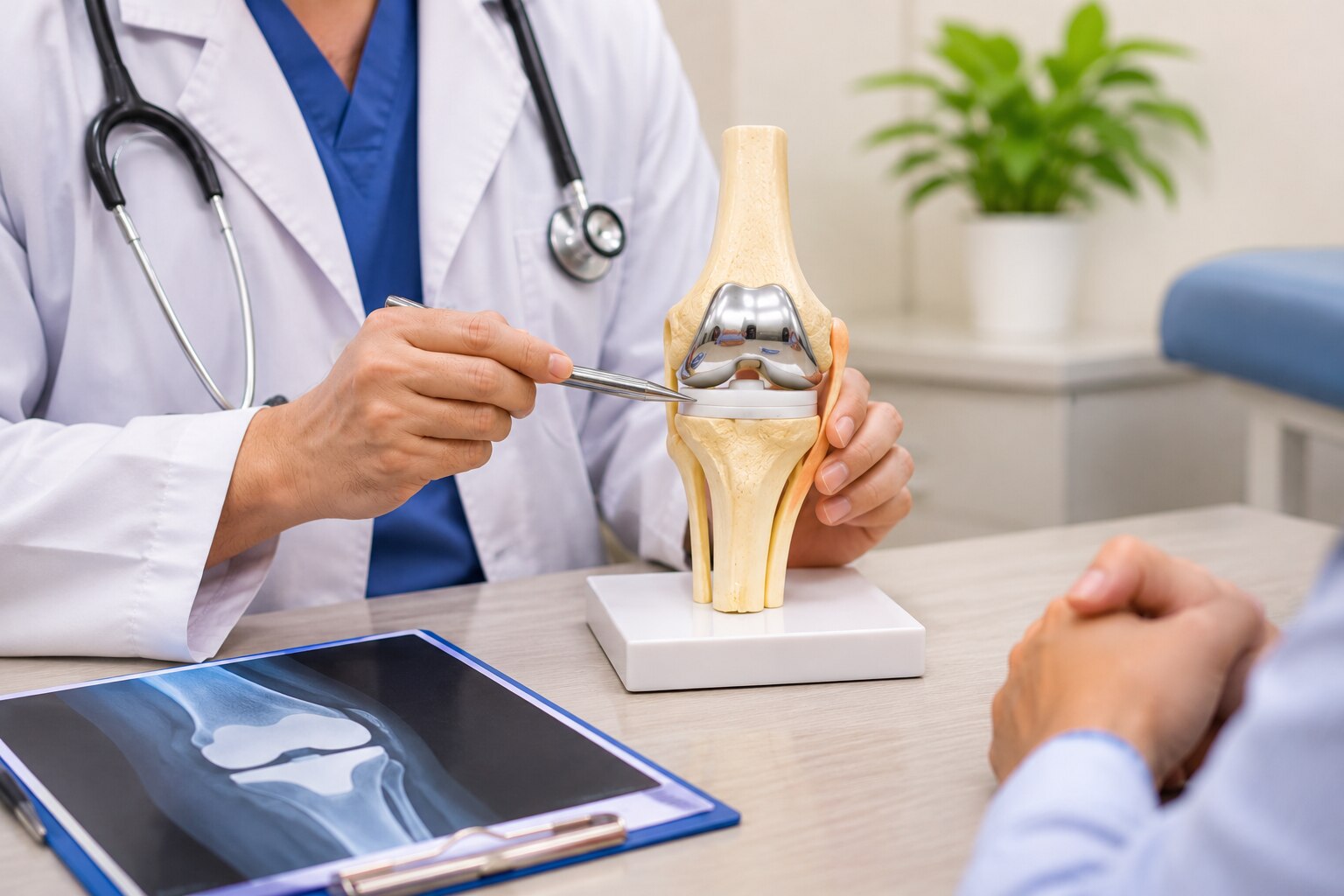
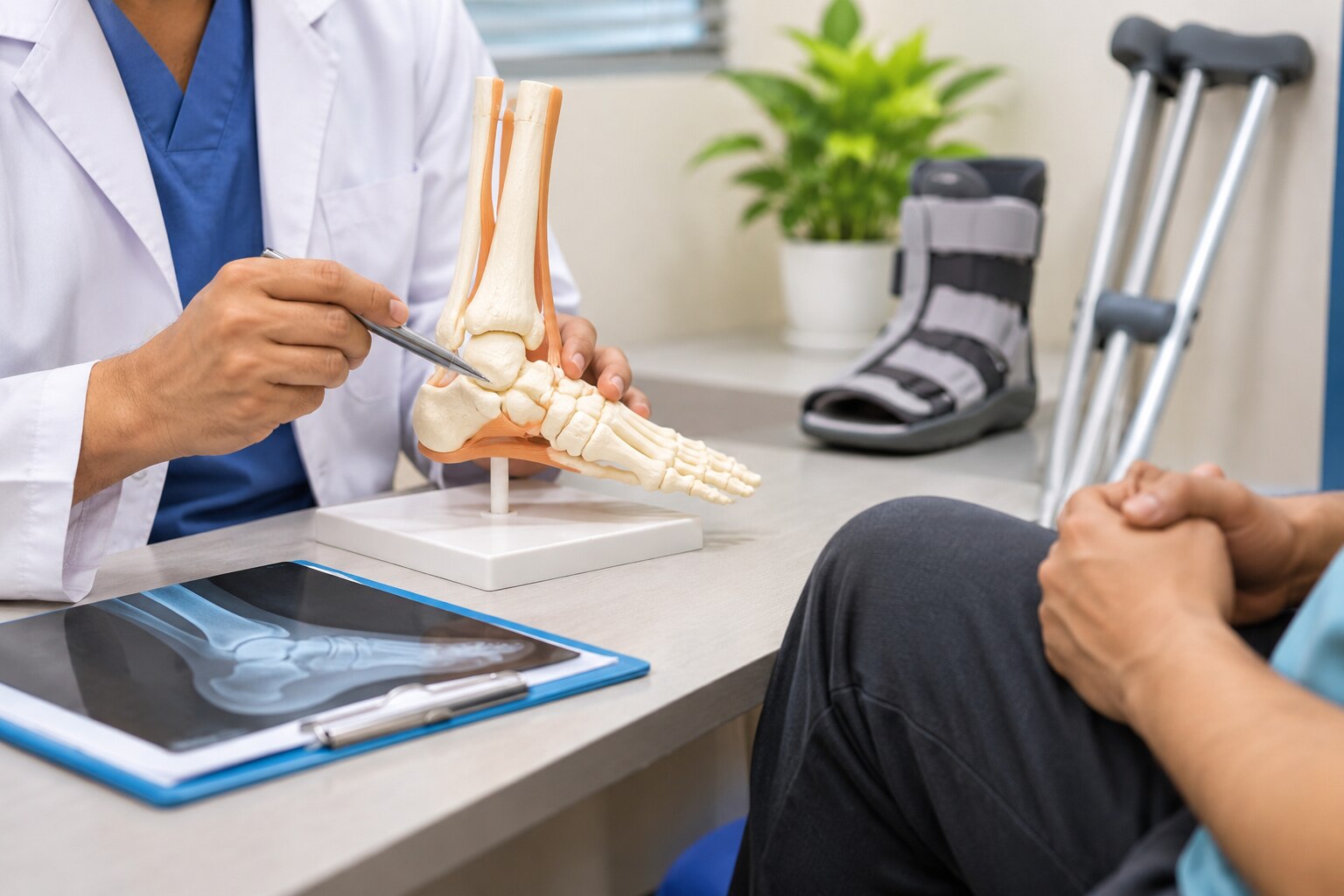
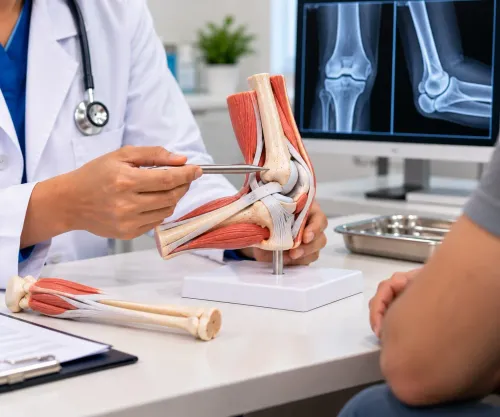
Two orthogonal X-ray views, such as front-to-back and side views, should start most workplace fracture assessments; a single photograph can hide a displaced or angled break. The clinician must interpret the images alongside tenderness, deformity, movement, sensation and circulation.
| Test | What it shows | Main limit |
|---|---|---|
| X-ray | Common fractures, displacement and alignment | An early normal result can miss a fracture |
| CT | Complex joint-surface breaks, multiple fragments and unclear alignment | Uses radiation and gives less detail about soft tissues |
| MRI | Occult fractures plus ligament, tendon and other soft-tissue damage | Takes longer and is not needed for every injury |
A normal early X-ray does not exclude a suspected scaphoid fracture, especially after a fall onto the hand. Keep the wrist immobilised and arrange repeat X-rays or advanced imaging when examination findings remain concerning.
For fracture repair for workplace injuries in Thane, CT helps surgeons plan treatment when the joint surface or alignment is difficult to define. MRI supports workplace fracture treatment in Thane when pain and examination findings still indicate a hidden fracture or associated tissue injury.
Keep the imaging report and image files for comparison during follow-up and referral.
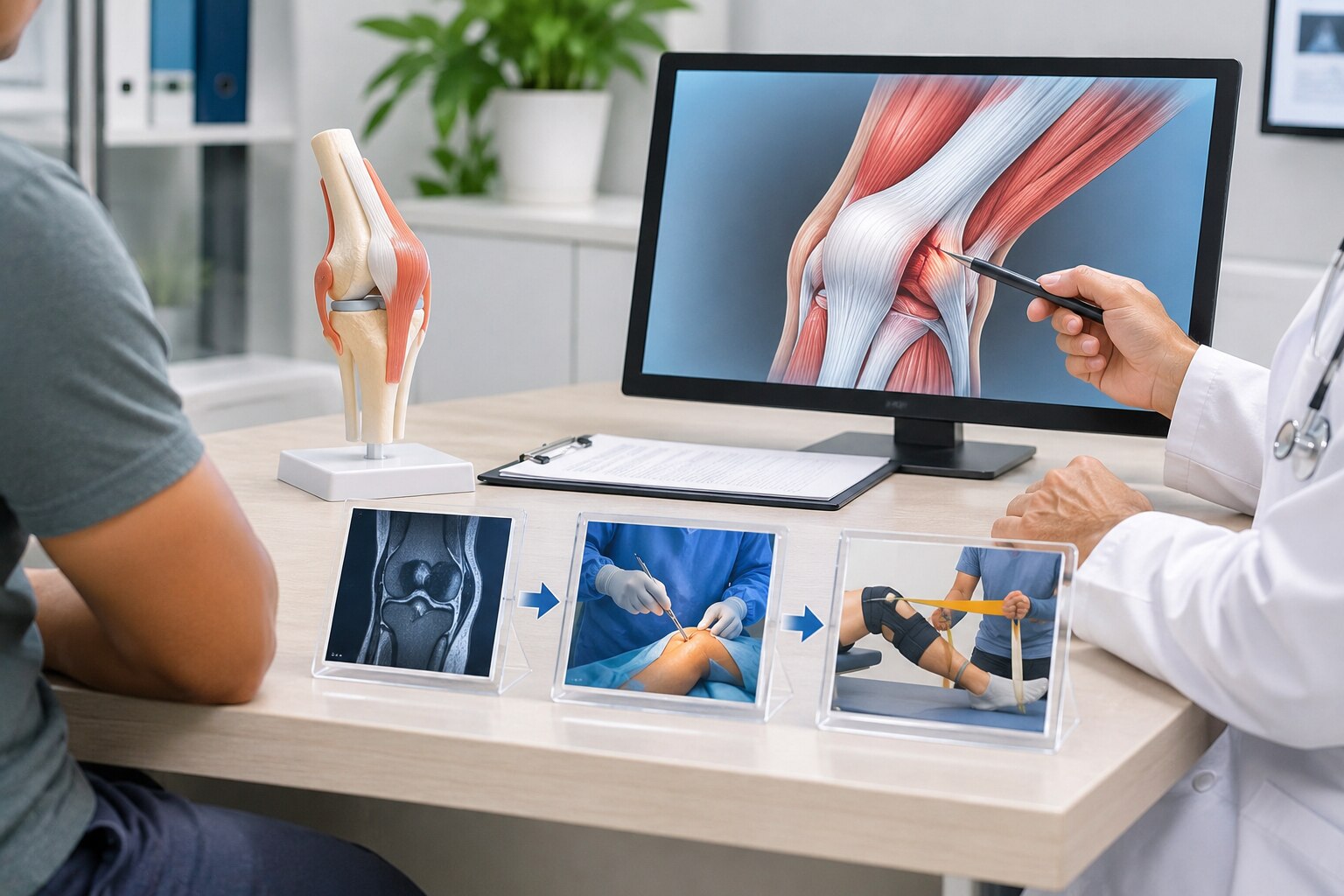
How doctors choose a cast, reduction or fracture surgery
Pain intensity alone does not decide treatment. A mildly painful fracture can be unstable or enter a joint, while a very painful injury can remain suitable for immobilisation after examination and imaging.
| Option | What it means | When it applies |
|---|---|---|
| Splint or cast | Holds a selected stable fracture while allowing early swelling inside a splint | Stable patterns; a brace can replace it later for controlled movement |
| Closed reduction | Realigns a displaced bone without an incision | Displacement that can be corrected safely, followed by immobilisation or fixation |
| Pins, plates and screws | Fix fragments through small pin sites or open fixation | Fracture pattern, location, joint surface and stability determine the choice |
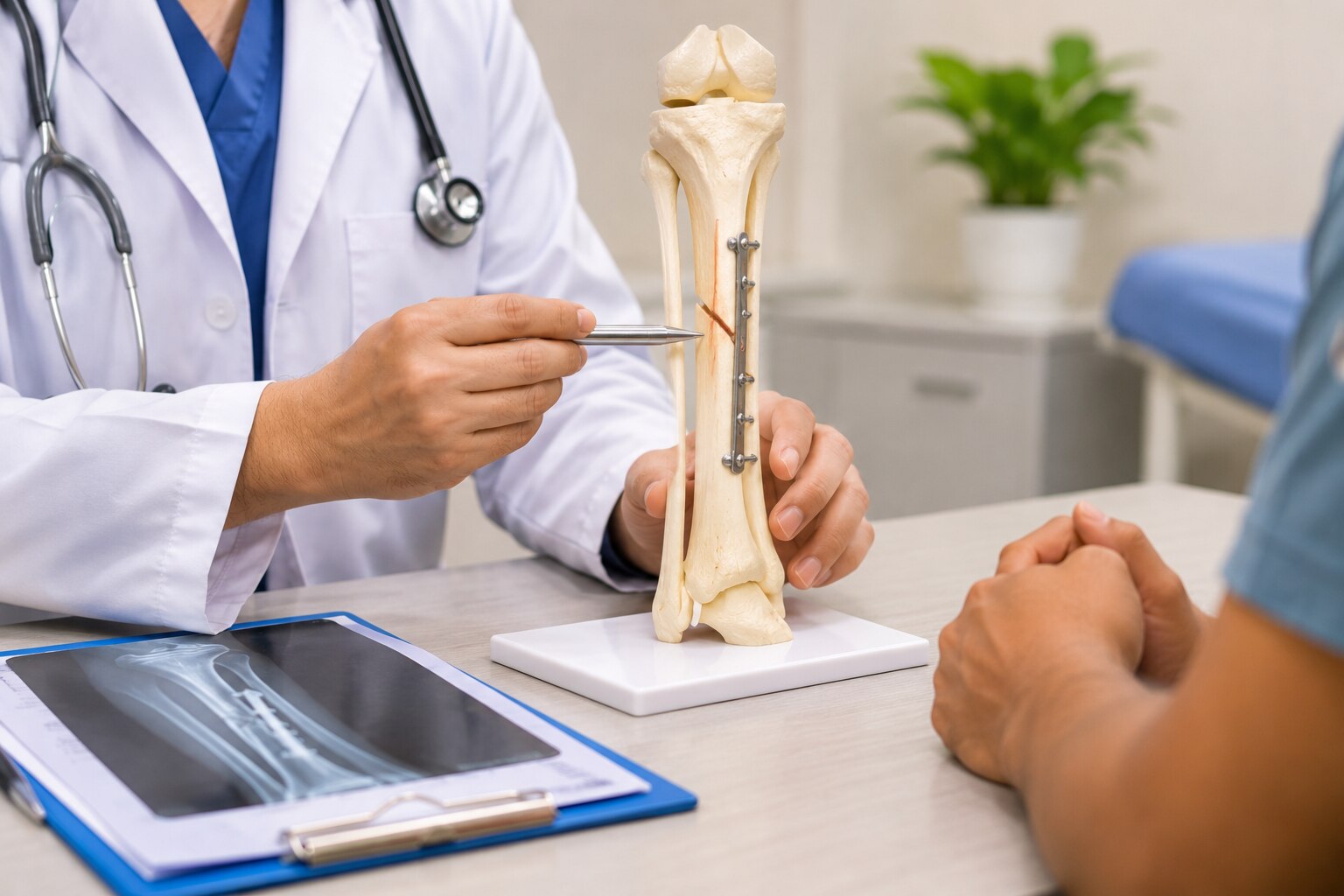
| Intramedullary nail | A rod supports the bone from inside its canal | Suitable long-bone fractures needing strong internal support |
| External fixation | Pins connect the bone to a frame outside the body | Severe soft-tissue damage, contamination or temporary damage control |
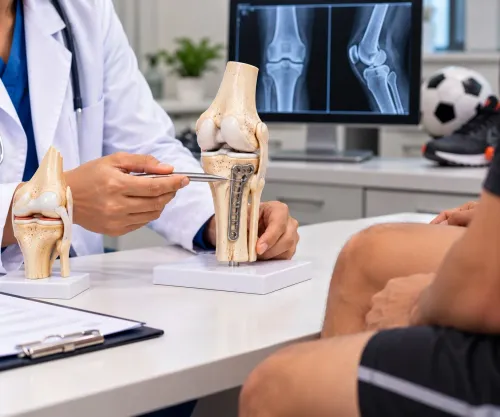
For occupational injury fracture care in Thane, doctors weigh displacement, instability, joint-surface involvement, open injury, infection risk, circulation, nerve function and bone quality. They also consider hand dominance, whether you can follow restrictions and whether your job involves lifting, climbing, vibration or machinery.
Joint fractures, unstable injuries, open fractures and vascular or nerve compromise need specialist orthopaedic input. Surgery can restore alignment and permit earlier movement in selected cases, but it adds infection, wound, nerve, implant-failure and reoperation risks.
Work accident orthopedic treatment in Thane should match the repair to both the fracture and the work you must safely resume.
What follow-up and return-to-work planning should include
Fracture repair continues after the first cast or operation. Follow-up checks wound healing, cast pressure, neurovascular status, alignment, radiographic union and joint stiffness. Alignment can change after swelling falls, so a comfortable cast or improved pain does not prove the bone remains correctly positioned.
Seek prompt reassessment if the cast becomes excessively tight or you develop:
- Increasing pain
- Numbness
- Finger or toe discoloration
- Inability to move the fingers or toes actively
Do not cut the cast or add padding at home. Your written treatment plan must state limits for weight-bearing, lifting, driving, vibration, climbing, work at height and machine operation.
| Worker | Early suitable duties | Restrictions to review |
|---|---|---|
| Desk worker | Typing or paperwork with the injured limb supported | Keyboard use, commuting, lifting files and prolonged sitting |
| Delivery worker | Dispatch or route-planning tasks | Driving, carrying parcels, stairs, vibration and emergency braking |
| Construction worker | Site administration away from hazards | Lifting, tools, climbing, work at height, machinery and uneven ground |
Return to work should be graduated and task-specific, with occupational-health input where available. Smoking cessation, glucose control, adequate nutrition and infection prevention support healing; they cannot replace stable alignment or treatment of infection. This principle guides workplace fracture treatment in Thane and occupational injury fracture care in Thane.
How to organise specialist fracture care and the injury record in Thane
Use a two-track decision in Thane: emergency care comes first when an injury threatens circulation, nerves, the skin or life.
| Route | Choose it when | What to do |
|---|---|---|
| Emergency department or ambulance | Open fracture, crush injury, severe deformity, heavy bleeding, colour change, absent pulse, numbness, paralysis, head injury or suspected compartment syndrome | Cover the wound with sterile gauze, keep the limb still and do not probe or close it |
| Orthopaedic assessment | No emergency warning sign is present | Take the X-ray or scan, treatment notes and a written symptom list |
Ask the treating team to record the injury mechanism and time, body part and side, wound contamination, pulses, capillary refill, motor function and sensation before and after immobilisation or reduction, imaging reports, treatment, job duties and certified restrictions.
Disproportionate pain, pain on passive stretch, tense swelling, altered sensation or rising pain-medicine needs require urgent reassessment; a pulse can remain present until late.
These records support follow-up, employer and insurer communication, and statutory compensation better than “industrial accident.” For work accident orthopedic treatment in Thane, The Bone & Joints - Advance Ortho Care 08048067357 can discuss fracture management and work restrictions after emergency issues. This supports fracture repair for workplace injuries in Thane without replacing emergency services.
Related services
Fracture Repair Treatment Dr. Vivek V. Shingane is an experienced Orthopaedic and Joint Replacement Surgeon providing expert fracture repair treatment at The Bone & Joints. View service → |
Orthopedic Trauma Treatment Dr. Vivek V. Shingane is a skilled Orthopaedic and Joint Replacement Surgeon specializing in orthopedic trauma care, fracture management, and... View service → |
Frequently asked questions
What should you do at a worksite before medical help arrives?
Keep the person still, support the injured limb in its found position, control bleeding with clean pressure around—not over—an open wound, and do not straighten the limb or push exposed bone back in.
How do doctors distinguish a fracture from other workplace injuries?
Doctors examine pain, swelling, deformity, movement, skin condition, and blood flow and nerve function, then use imaging to separate a fracture from a dislocation, sprain, strain, or tendon injury.
Which scans show a workplace fracture accurately?
Two-view X-rays usually identify a fracture. CT gives detailed views of complex or joint-surface fractures, while MRI detects stress fractures and associated ligament, tendon, or soft-tissue damage.
How do doctors choose between a cast, reduction, and fracture surgery?
A stable, well-aligned fracture may need a cast or splint. Reduction realigns displaced bone; surgery is considered when the fracture is unstable, open, severely displaced, or involves a joint.
What should return-to-work planning include after a fracture?
Request written restrictions covering lifting, standing, driving, climbing, tool use, and working at height, then schedule reviews to update those limits as healing progresses.
Keywords