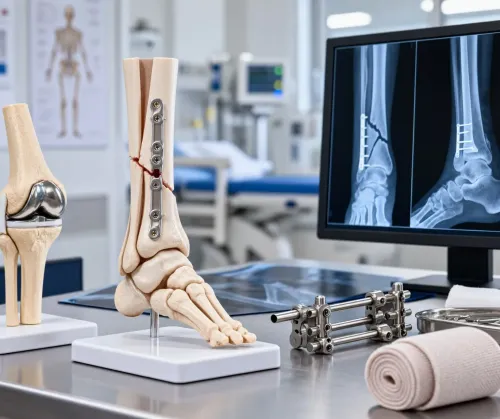
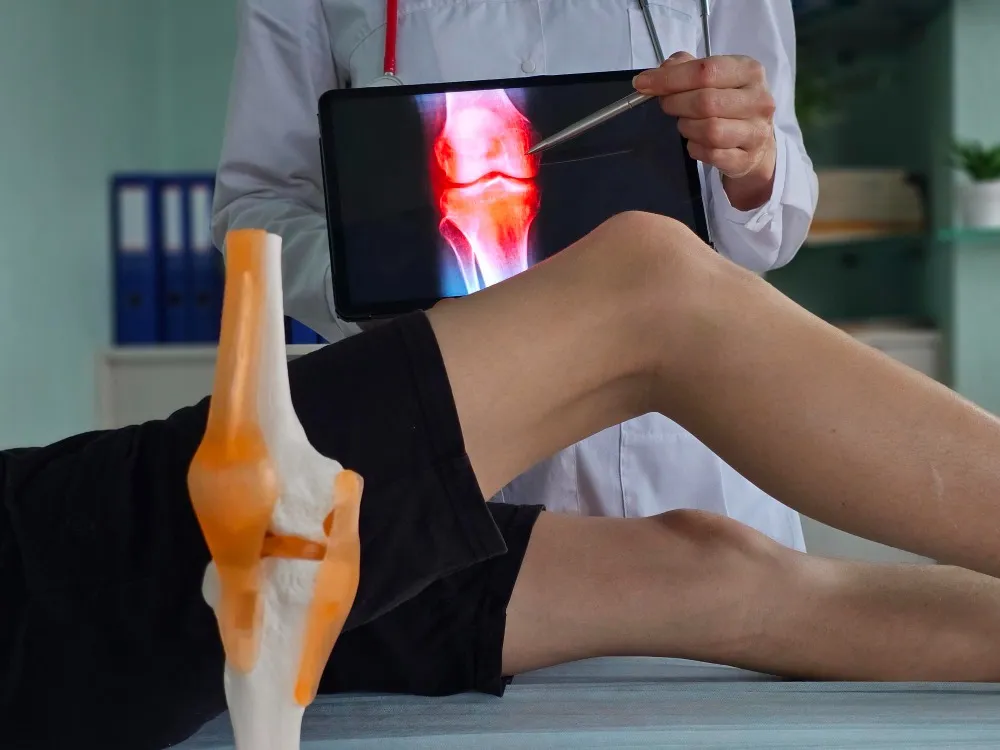
Knee pain is one of the most common orthopedic concerns among adults and senior citizens. While occasional discomfort after physical activity is normal, persistent pain that limits mobility, affects sleep, or interferes with daily routines should not be ignored. Conditions such as osteoarthritis, rheumatoid arthritis, previous injuries, and age-related wear and tear can gradually damage the knee joint, making even simple movements painful.
For many people, non-surgical treatments like medications, physiotherapy, weight management, knee braces, and lifestyle changes provide relief during the early stages of joint disease. However, when these measures no longer improve quality of life, Total Knee Replacement (TKR) Surgery may become a suitable treatment option.
What Is Total Knee Replacement Surgery?
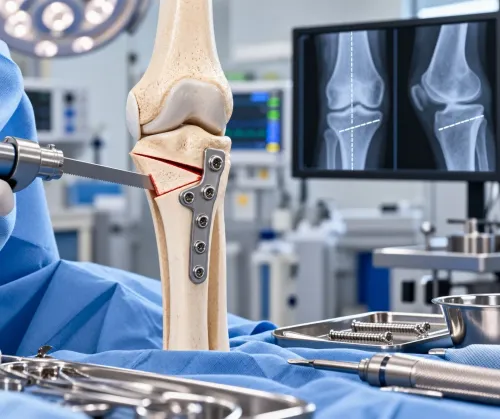
Total Knee Replacement Surgery is an orthopedic procedure in which damaged cartilage and worn-out joint surfaces are replaced with specially designed artificial components. The aim is to reduce pain, restore movement, and improve overall knee function.
Contrary to common belief, the entire knee is not removed during surgery. Only the damaged portions of the joint are replaced while preserving healthy structures whenever possible. Modern surgical techniques focus on restoring natural alignment and improving joint stability to help patients return to their everyday activities.
Conditions That May Require Knee Replacement
Not every patient with knee pain requires surgery. An orthopedic specialist evaluates the severity of joint damage, symptoms, imaging findings, and overall health before recommending treatment.
TKR Surgery may be considered for individuals with:
- Advanced osteoarthritis
- Rheumatoid arthritis affecting the knee
- Severe cartilage degeneration
- Post-traumatic arthritis following fractures
- Persistent knee pain despite conservative treatment
- Significant stiffness limiting daily activities
- Knee deformity affecting walking or balance
The decision is always individualized based on the patient's symptoms and lifestyle needs.
Signs It May Be Time to Consider Surgery
Many people delay treatment because they assume knee pain is simply a part of aging. While mild discomfort can often be managed conservatively, certain symptoms indicate the need for a specialist evaluation.
These include:
- Pain while walking short distances
- Difficulty climbing or descending stairs
- Swelling that frequently returns
- Reduced knee movement
- Pain during rest or at night
- Dependence on pain medication for routine activities
- Difficulty standing from a seated position
Seeking medical advice early can help identify the most appropriate treatment before symptoms become more disabling.
What Happens Before the Procedure?
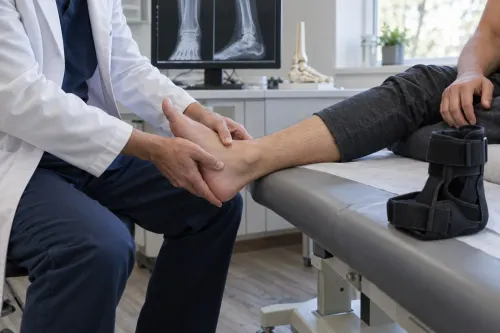
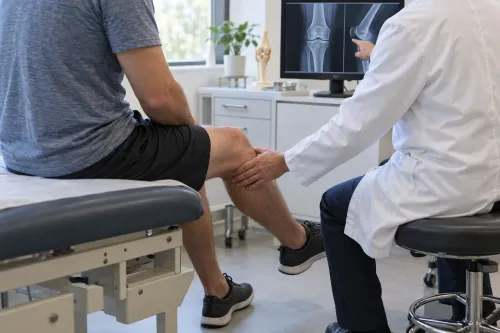
Preparation plays an important role in achieving good outcomes. Before recommending surgery, the orthopedic surgeon performs a comprehensive assessment that may include:
- Physical examination
- X-rays and imaging studies
- Review of previous treatments
- Medical fitness evaluation
- Discussion about lifestyle and activity goals
Patients also receive guidance regarding rehabilitation, recovery expectations, and postoperative care so they can make informed decisions.
Recovery After Total Knee Replacement
Recovery is a gradual process that combines healing with structured rehabilitation. Early movement is encouraged under medical supervision to reduce stiffness and improve circulation.
Physiotherapy is one of the most important components of recovery. Exercises focus on:
- Improving knee flexibility
- Restoring muscle strength
- Enhancing balance
- Regaining walking confidence
- Supporting long-term joint function
Although recovery timelines vary, consistent participation in rehabilitation often contributes significantly to successful outcomes.
Benefits of Modern Knee Replacement Techniques
Advances in orthopedic surgery have improved the accuracy and effectiveness of knee replacement procedures. Depending on individual suitability, patients may experience benefits such as:
- Significant reduction in chronic knee pain
- Improved mobility
- Better walking ability
- Enhanced joint stability
- Increased independence in daily activities
- Better overall quality of life
Maintaining a healthy weight and staying physically active after recovery also help support the longevity of the knee implant.
Questions Patients Commonly Ask
Will I be able to walk normally again?
Most patients gradually regain comfortable walking with proper rehabilitation and physiotherapy.
How long does the artificial knee last?
The lifespan varies depending on age, activity level, implant type, and overall health, but modern implants are designed for long-term durability.
Is surgery always the first option?
No. Orthopedic specialists usually recommend surgery only after appropriate non-surgical treatments have been explored unless there is severe joint damage requiring earlier intervention.
Choosing the Right Orthopedic Care in Thane
For patients in Thane, Maharashtra, selecting an experienced orthopedic specialist is an important part of successful treatment. Beyond surgical expertise, comprehensive care includes accurate diagnosis, personalized treatment planning, patient education, and structured rehabilitation.
The Bone and Joints - Advance Ortho Care, Dr. Vivek V. Shingane provides evaluation for patients experiencing persistent knee pain, helping determine whether Total Knee Replacement Surgery or another treatment approach is the most appropriate option. Additional information about orthopedic services, joint replacement procedures, and patient care is available through drvivekshingane.com.
Total Knee Replacement Surgery has helped many individuals regain mobility and reduce long-standing knee pain when conservative treatments are no longer effective. Understanding the procedure, knowing when to seek evaluation, and consulting an experienced orthopedic specialist can help patients make informed decisions about restoring knee function and improving everyday quality of life.
Keywords