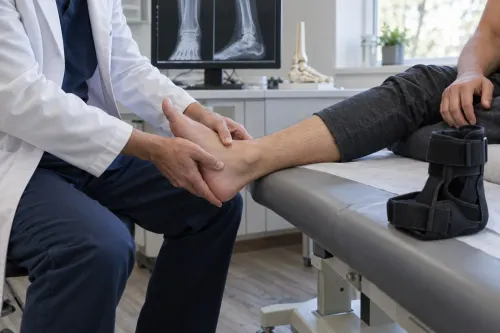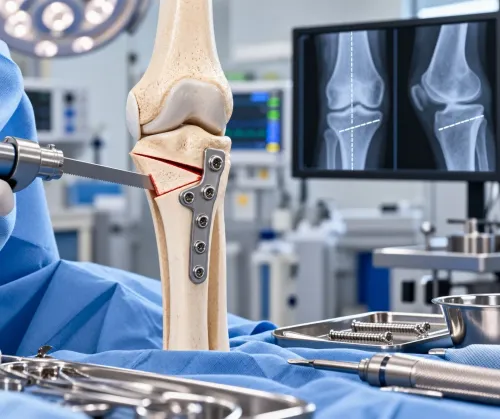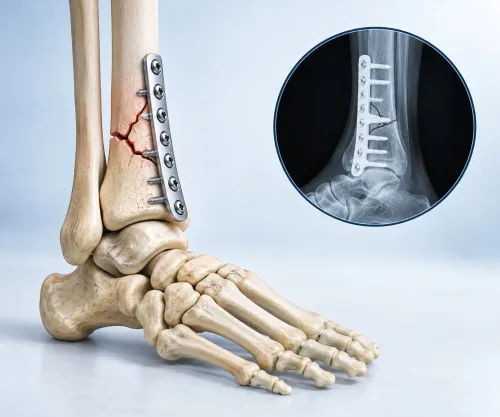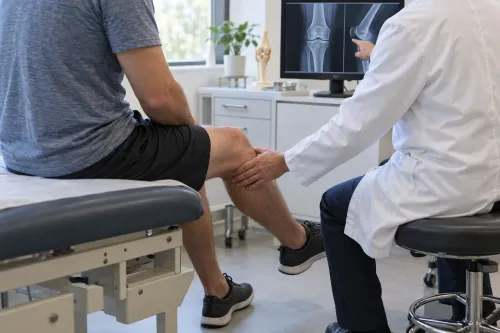
Joint injuries can significantly disrupt daily life, whether they result from sports activities, workplace accidents, or age-related degeneration. Arthroscopy Treatment has become one of the most widely used orthopedic procedures because it allows surgeons to diagnose and treat joint conditions through small incisions rather than large surgical openings.
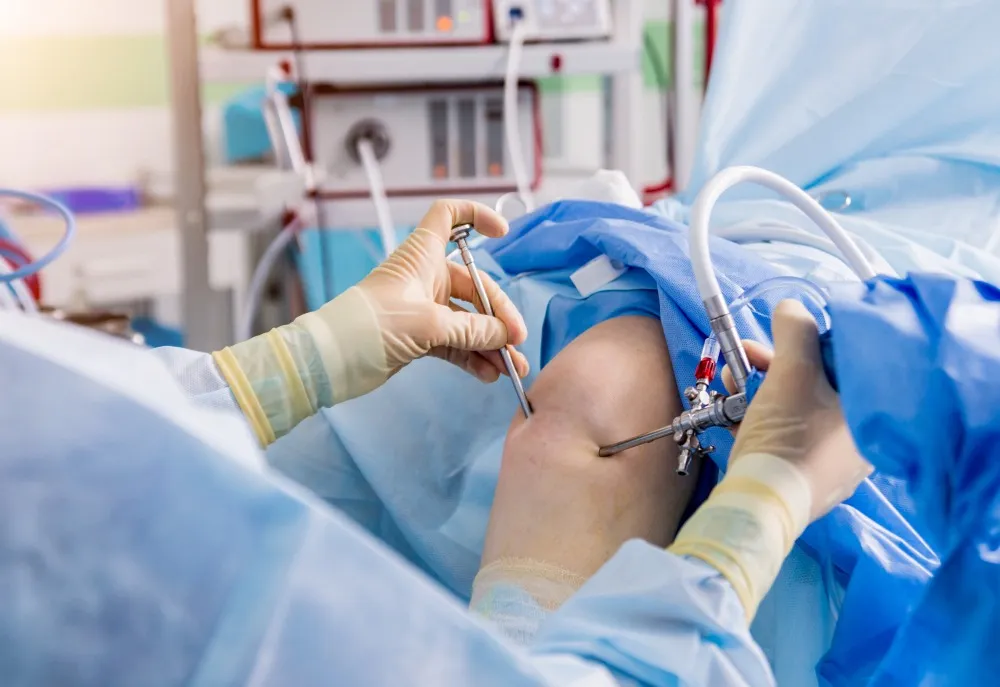
Arthroscopy involves the use of a tiny camera called an arthroscope, which is inserted into the joint. The camera provides detailed images that help surgeons identify damage affecting cartilage, ligaments, tendons, or other joint structures.
This technique is commonly used for:
- Knee injuries
- Shoulder problems
- Meniscus tears
- ACL injuries
- Rotator cuff conditions
- Cartilage damage
One of the primary reasons arthroscopy is often recommended is its minimally invasive nature. Compared to traditional open surgery, smaller incisions may contribute to reduced tissue disruption and potentially faster rehabilitation.
Patients searching for Shoulder Arthroscopy Treatment or ligament injury treatment frequently want answers to a common question: 'When is arthroscopy necessary?'
Situations that may warrant evaluation include:
- Persistent joint pain despite therapy
- Recurrent swelling
- Joint locking or catching
- Instability during movement
- Sports-related injuries affecting performance
In Thane, active individuals involved in recreational sports and fitness programs increasingly seek early orthopedic assessment to prevent minor injuries from becoming long-term problems.
Arthroscopy can serve both diagnostic and therapeutic purposes. Surgeons may repair damaged tissues, remove loose fragments, reconstruct ligaments, or address inflammation during the same procedure.
The recovery process depends on the complexity of the condition being treated. Some patients resume light activities relatively quickly, while others, particularly those undergoing ligament reconstruction, require structured rehabilitation over several months.
At The Bone and Joints - Advance Ortho Care, treatment decisions are based on detailed clinical evaluation, imaging studies, patient goals, and lifestyle requirements. The objective is not simply to address symptoms but to restore function and support long-term joint health.
As orthopedic technology advances, arthroscopy continues to play a central role in helping patients maintain mobility while minimizing surgical trauma and recovery challenges.
Keywords