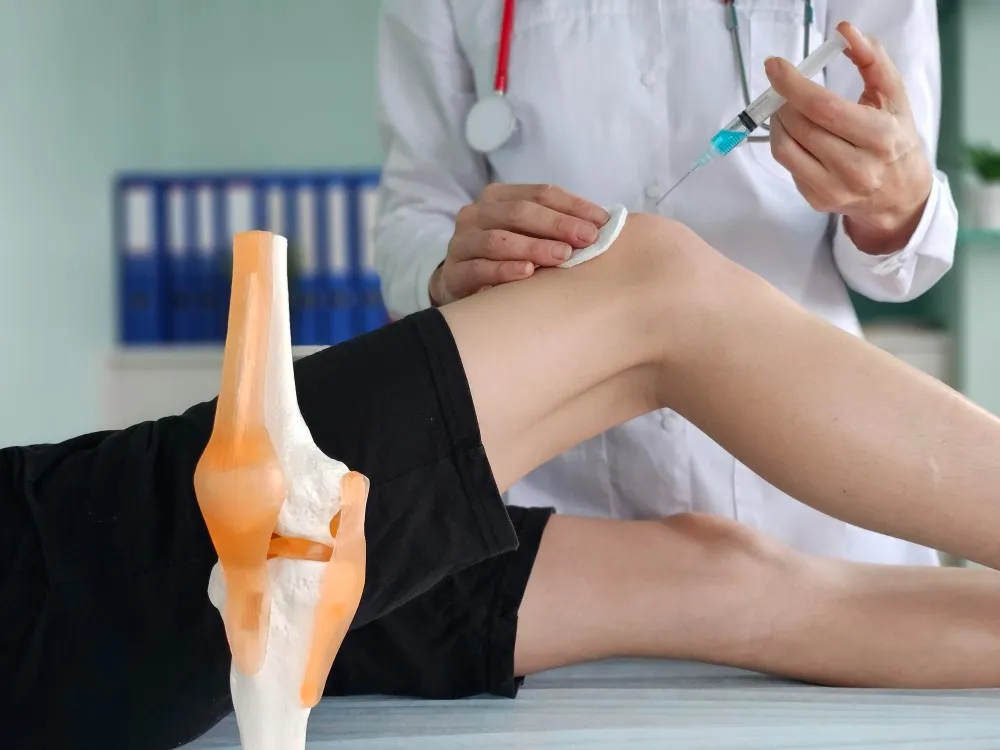
Many people assume that chronic joint pain automatically leads to joint replacement surgery. In reality, several Joint Preservation Treatment options may help delay or even avoid replacement procedures in selected patients.
Joint preservation focuses on maintaining the natural joint for as long as possible. These treatments aim to reduce pain, improve movement, slow disease progression, and support long-term joint function.
Common preservation strategies include:
- Physiotherapy
- Weight management
- Activity modification
- PRP therapy
- Medications
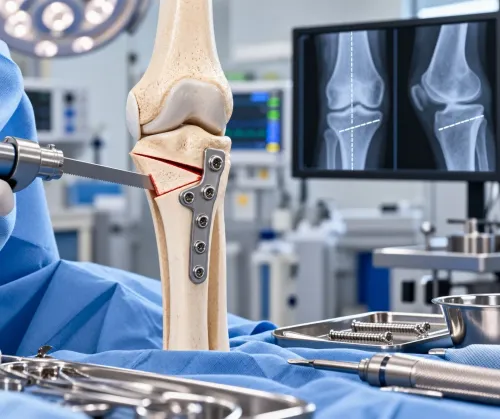
- Osteotomy procedures
- Cartilage preservation techniques
Joint replacement, on the other hand, involves replacing damaged joint surfaces with artificial implants. This option is generally considered when arthritis has advanced significantly and conservative methods no longer provide adequate relief.
Patients often wonder which path is most appropriate. Several factors influence the decision.
Severity of Joint Damage
Early-stage arthritis may respond well to preservation-focused approaches. Advanced bone-on-bone arthritis often requires more definitive surgical intervention.
Age and Activity Level
Younger patients frequently benefit from strategies aimed at preserving natural joint structures whenever possible. Older adults with severe symptoms may achieve greater functional improvement through replacement surgery.
Pain Impact
If pain significantly limits mobility, sleep, work performance, and quality of life despite ongoing treatment, replacement may become a consideration.
Structural Alignment
Certain patients with alignment abnormalities may benefit from procedures such as osteotomy surgery, which redistributes load across the joint and may delay future replacement.
At The Bone and Joints - Advance Ortho Care, Dr. Vivek V. Shingane carefully evaluates imaging findings, physical function, lifestyle demands, and long-term goals before recommending either a preservation strategy or replacement surgery. The focus is always on choosing the most appropriate treatment rather than the most aggressive option.
Modern orthopedic care emphasizes individualized planning because every patient's joint condition and expectations are different. Understanding the differences between preservation and replacement options helps patients make confident decisions about their future mobility and quality of life.
Keywords